

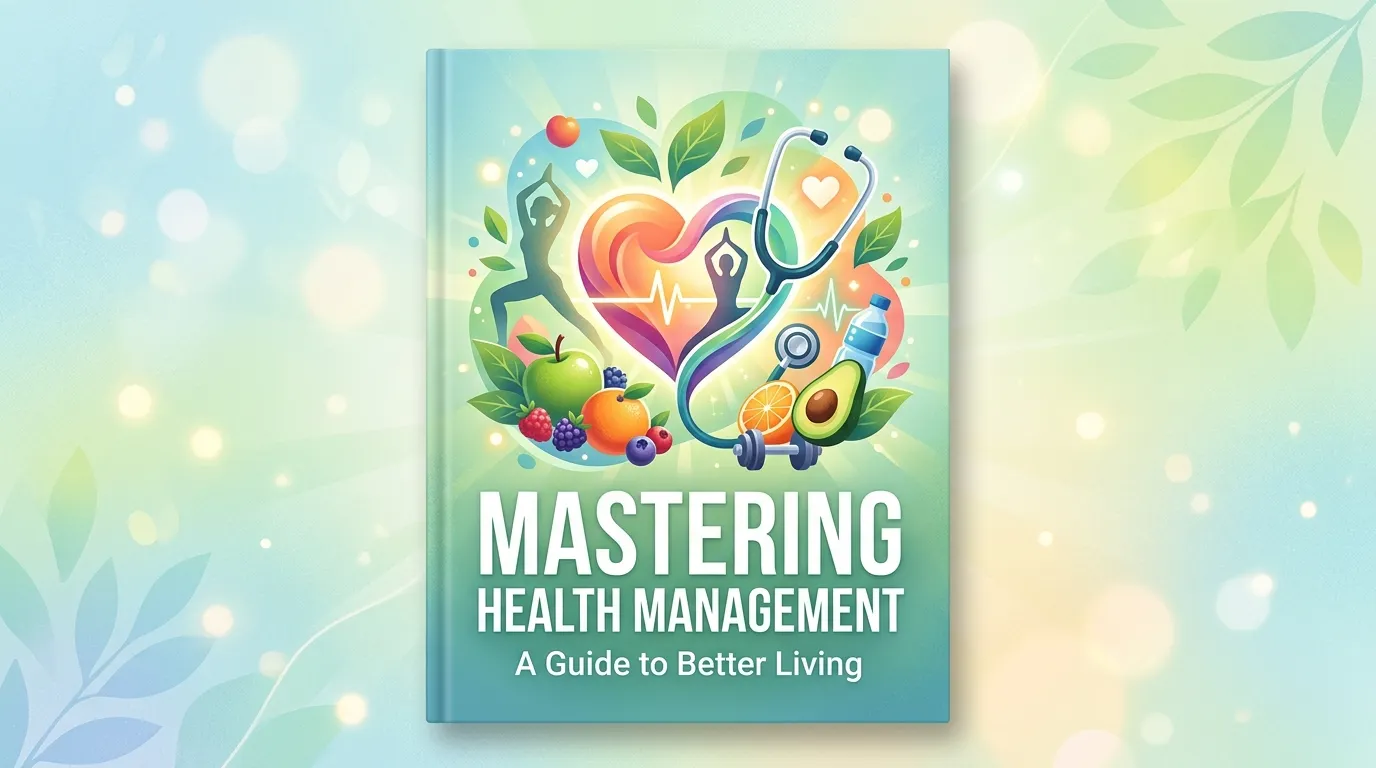
Health management is the ongoing process of improving physical and mental well-being through preventive care, healthy lifestyle choices, regular monitoring, and medical support. By combining wellness habits, digital health tools, and proactive healthcare planning, individuals can reduce health risks, manage chronic conditions, and maintain a better quality of life.
Health management is a proactive approach to maintaining physical and mental well-being through preventive care, continuous monitoring, and lifestyle adjustments. By combining personal wellness strategies with digital health solutions and professional medical care management, individuals and healthcare providers can significantly reduce chronic disease risks and improve overall quality of life.
Taking control of your physical and mental well-being requires more than just visiting a doctor when you feel sick. True wellness relies on a continuous, proactive approach to monitoring and improving your physical state over time. As medical science advances, the focus has shifted dramatically from treating acute illnesses to maintaining long-term vitality.
Understanding how to navigate the complex healthcare system empowers you to make informed decisions about your body. A well-structured approach helps identify potential risks early, coordinates necessary treatments, and optimizes your daily habits for peak performance. This proactive methodology ultimately saves time, reduces medical expenses, and leads to a more fulfilling daily experience.
This comprehensive guide explores the multi-faceted world of health management. You will learn practical strategies for managing chronic conditions, utilizing the latest digital tracking tools, and implementing preventive planning to secure a healthier future.
How can individuals improve personal health management?

Personal health management starts with daily habits and individual accountability. This involves tracking your nutrition, maintaining a consistent exercise routine, and ensuring adequate sleep hygiene. Individuals who actively monitor their dietary intake and physical activity levels are statistically more likely to maintain a healthy body mass index and avoid metabolic complications.
Establishing a personal routine requires setting measurable, realistic goals. For example, aiming for 150 minutes of moderate aerobic activity per week aligns with recommendations from major cardiovascular organizations. Keeping a daily journal or using a mobile application to log your activities helps maintain momentum and highlights areas needing improvement.
What are effective healthcare management strategies for providers?
Healthcare management strategies involve the administrative and operational techniques used by medical facilities to deliver efficient patient care. Hospital administrators and clinic managers focus on optimizing resource allocation, reducing patient wait times, and ensuring compliance with medical regulations. Effective operational management directly translates to better patient outcomes and higher satisfaction rates.
One highly effective strategy is the implementation of integrated care models. This approach ensures that primary care physicians, specialists, and support staff communicate seamlessly regarding a patient’s treatment plan. By breaking down departmental silos, medical institutions reduce duplicated tests and prevent adverse drug interactions.
How does health and wellness management improve daily life?
Health and wellness management takes a holistic view of human biology, encompassing both physical fitness and mental stability. This practice emphasizes stress reduction techniques, such as mindfulness and meditation, alongside traditional physical fitness. Mental and physical health are deeply interconnected. High levels of chronic stress elevate cortisol levels, which can suppress the immune system and increase vulnerability to infections.
Incorporating wellness practices into your daily schedule provides a buffer against the pressures of modern work environments. Simple actions, like taking frequent movement breaks during the workday or practicing deep breathing exercises, can significantly lower resting blood pressure and improve cognitive focus.
What are the best practices for chronic disease management?
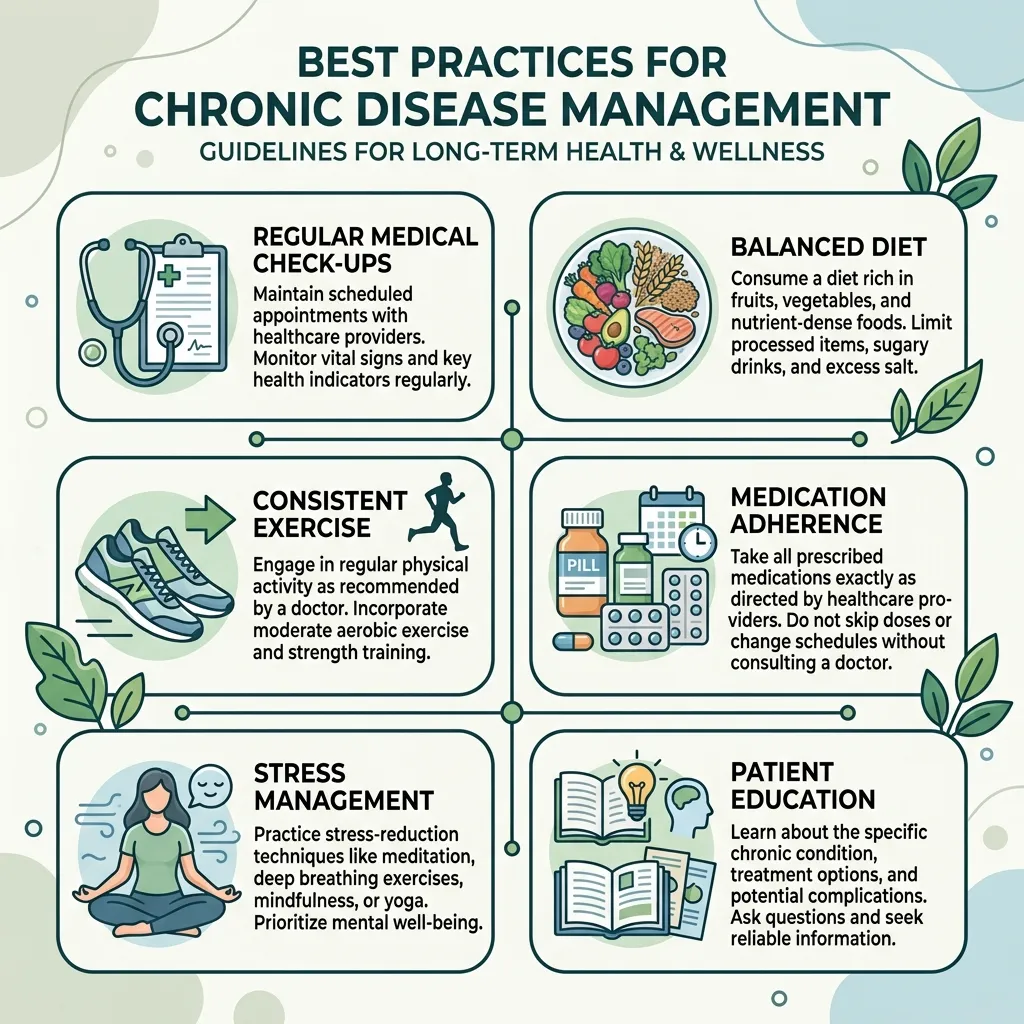
Chronic disease management focuses on minimizing the impact of long-term conditions like diabetes, hypertension, and asthma. The primary goal is to stabilize the condition, prevent acute exacerbations, and slow disease progression. This requires a highly structured routine involving medication adherence, strict dietary guidelines, and regular consultations with a medical care team.
Patient education plays a critical role in managing chronic illnesses. When individuals understand the specific triggers that worsen their condition, they can make informed behavioral adjustments. For a patient with type 2 diabetes, understanding the glycemic index of different foods is just as important as taking prescribed insulin. Regular laboratory testing ensures that the current treatment plan remains effective and allows physicians to make necessary dosage adjustments.
Why is preventive healthcare planning essential?
Preventive healthcare planning aims to detect diseases before they cause noticeable symptoms. Catching a biological abnormality early often means the difference between a simple outpatient procedure and a complex, life-altering surgery. This planning includes scheduling routine age-appropriate screenings, such as mammograms, colonoscopies, and bone density scans.
Vaccinations form another cornerstone of preventive care. Keeping adult immunizations up to date protects individuals from seasonal viruses and severe bacterial infections. Establishing a long-term preventive calendar with your primary care physician ensures you never miss a critical screening milestone.
How can clinics improve patient health management?
Patient health management centers on the direct relationship between a medical provider and the individual receiving care. To improve this dynamic, clinics are increasingly adopting patient-centered medical home (PCMH) models. In a PCMH, a primary care physician leads a team of professionals who take collective responsibility for the patient’s comprehensive care needs.
Effective patient management also relies on clear, jargon-free communication. When medical professionals take the time to thoroughly explain a diagnosis and the accompanying treatment options, patient compliance increases dramatically. Follow-up phone calls after a clinic visit also help clarify any lingering questions and confirm that the patient has successfully acquired their prescribed medications.
What health monitoring tools are most effective?
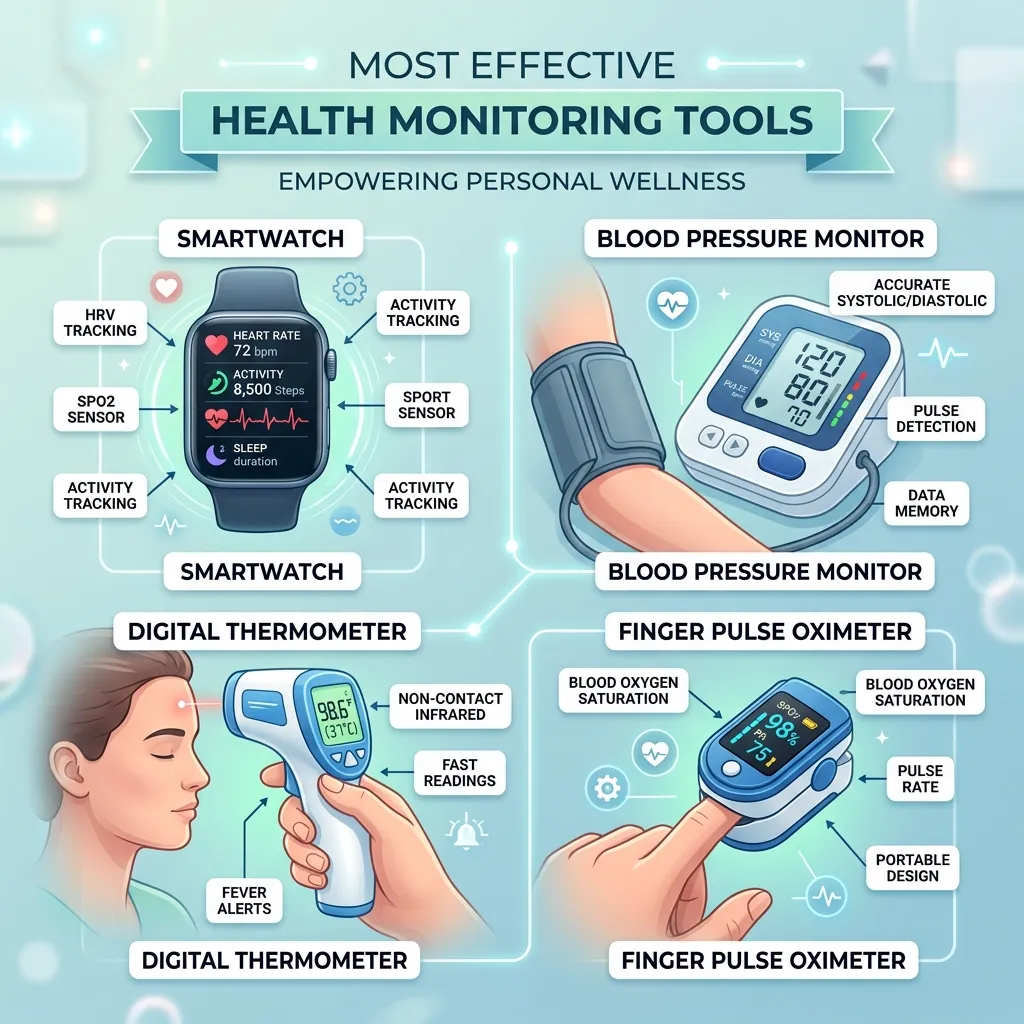
The rapid evolution of health monitoring tools allows individuals to gather clinical-grade data from the comfort of their homes. Wearable devices, such as smartwatches and fitness bands, continuously track heart rate variability, sleep stages, and daily step counts. This continuous stream of data provides a much clearer picture of an individual’s baseline health than a single annual checkup.
For individuals managing specific conditions, targeted monitoring tools are indispensable. Bluetooth-enabled blood pressure cuffs automatically sync readings to a smartphone, creating a detailed historical log for cardiologists to review. Continuous glucose monitors (CGMs) have revolutionized diabetes care by alerting patients to blood sugar spikes in real-time, completely eliminating the need for painful finger pricks.
How do wellness management programs benefit employees?
Corporate wellness management programs are structured initiatives sponsored by employers to promote healthy behaviors among their staff. These programs often include on-site fitness facilities, subsidized gym memberships, nutritional counseling, and smoking cessation classes. Companies invest in these initiatives to reduce healthcare premiums and decrease employee absenteeism.
A well-executed wellness program boosts workplace morale and fosters a culture of mutual support. Employees who participate in group wellness challenges often report higher job satisfaction and improved interpersonal relationships with their colleagues. Furthermore, providing access to mental health resources, such as employee assistance programs (EAPs), helps workers navigate personal crises without sacrificing their professional performance.
What is the role of medical care management?
Medical care management involves coordinating specialized healthcare services for patients with complex, severe, or catastrophic injuries and illnesses. Case managers, who are often registered nurses or licensed social workers, serve as patient advocates. They navigate the complicated maze of insurance approvals, specialist referrals, and post-acute care facility placements.
This targeted oversight is crucial for patients transitioning from a hospital stay back to their homes. The case manager ensures that necessary home medical equipment is delivered, home health nurses are scheduled, and follow-up appointments are booked. This meticulous coordination drastically reduces hospital readmission rates and accelerates the recovery process.
How are digital health management solutions changing care?
Digital health management solutions encompass the software platforms and communication technologies that facilitate modern medical care. Electronic health records (EHRs) provide a secure, centralized database containing a patient’s complete medical history, accessible by authorized providers across different hospital networks. This instant access to critical data prevents medical errors in emergency situations.
Telehealth platforms represent another major digital solution. Virtual consultations allow patients living in rural areas to access specialized medical expertise without traveling long distances. Mobile health applications further empower patients by providing secure portals to view lab results, request prescription refills, and message their doctors directly, making healthcare delivery more convenient and transparent than ever before.
Stress Management Techniques for Better Health Outcomes
Managing stress effectively is a crucial part of maintaining both physical and mental well-being. When stress becomes chronic, it can negatively impact the body in multiple ways, including increased blood pressure, weakened immune response, digestive issues, sleep disturbances, and long-term mental fatigue. Over time, unmanaged stress can also contribute to anxiety disorders and cardiovascular problems.
To control stress levels, individuals can adopt a variety of proven techniques such as deep breathing exercises, meditation, yoga, and regular physical activity. Time management and proper work-life balance also play an important role in reducing daily pressure. Engaging in hobbies, spending time in nature, and maintaining healthy social connections further support emotional stability. Consistently practicing these habits helps improve overall health management and enhances long-term well-being.
Lifestyle Habits That Support Long-Term Health Management
Long-term health and wellness depend heavily on consistent, positive lifestyle habits that are maintained over time. Simple daily choices such as staying properly hydrated, consuming a balanced and nutrient-rich diet, and getting adequate sleep have a significant impact on overall physical health. Avoiding harmful habits like smoking, excessive alcohol consumption, and processed food intake further reduces the risk of chronic diseases.
In addition, maintaining a structured daily routine that includes exercise, rest, and relaxation supports both physical and mental stability. Small but consistent behavioral improvements—such as walking daily, reducing screen time, or practicing mindful eating—can lead to major long-term benefits. These lifestyle habits form the foundation of effective health management and contribute to improved energy levels, stronger immunity, and a better quality of life.
Taking control of your healthcare journey
Achieving optimal health requires consistent effort, educated decision-making, and the right combination of professional support and personal accountability. By utilizing modern digital tools, adhering to preventive screening schedules, and openly communicating with your medical providers, you can actively shape your health trajectory.
Start by scheduling a comprehensive physical examination with your primary care physician to establish your baseline metrics. From there, identify one or two daily habits you can improve, whether that means drinking more water, taking a daily walk, or setting a strict bedtime. Small, consistent actions compound over time, building a foundation for lifelong vitality.
Frequently Asked Questions
How much does it cost to use digital health management tools?
Basic health tracking applications are often free to download on your smartphone, while premium subscriptions with detailed analytics generally cost between $5 and $15 per month. Wearable devices require an upfront investment ranging from $50 for basic step trackers to over $400 for advanced smartwatches with electrocardiogram (ECG) capabilities.
What is the difference between health management and medical care?
Health management is a broad, proactive concept that includes lifestyle choices, preventive behaviors, and wellness strategies aimed at maintaining overall well-being. Medical care refers specifically to the professional treatment and diagnosis of illnesses or injuries provided by licensed healthcare professionals in clinical settings.
How often should I review my preventive healthcare plan?
You should review your preventive healthcare plan with your primary care physician at least once a year during your annual physical. However, if you experience a significant life event, develop new symptoms, or receive a new medical diagnosis, you should update your plan immediately to reflect your changing biological needs.
