
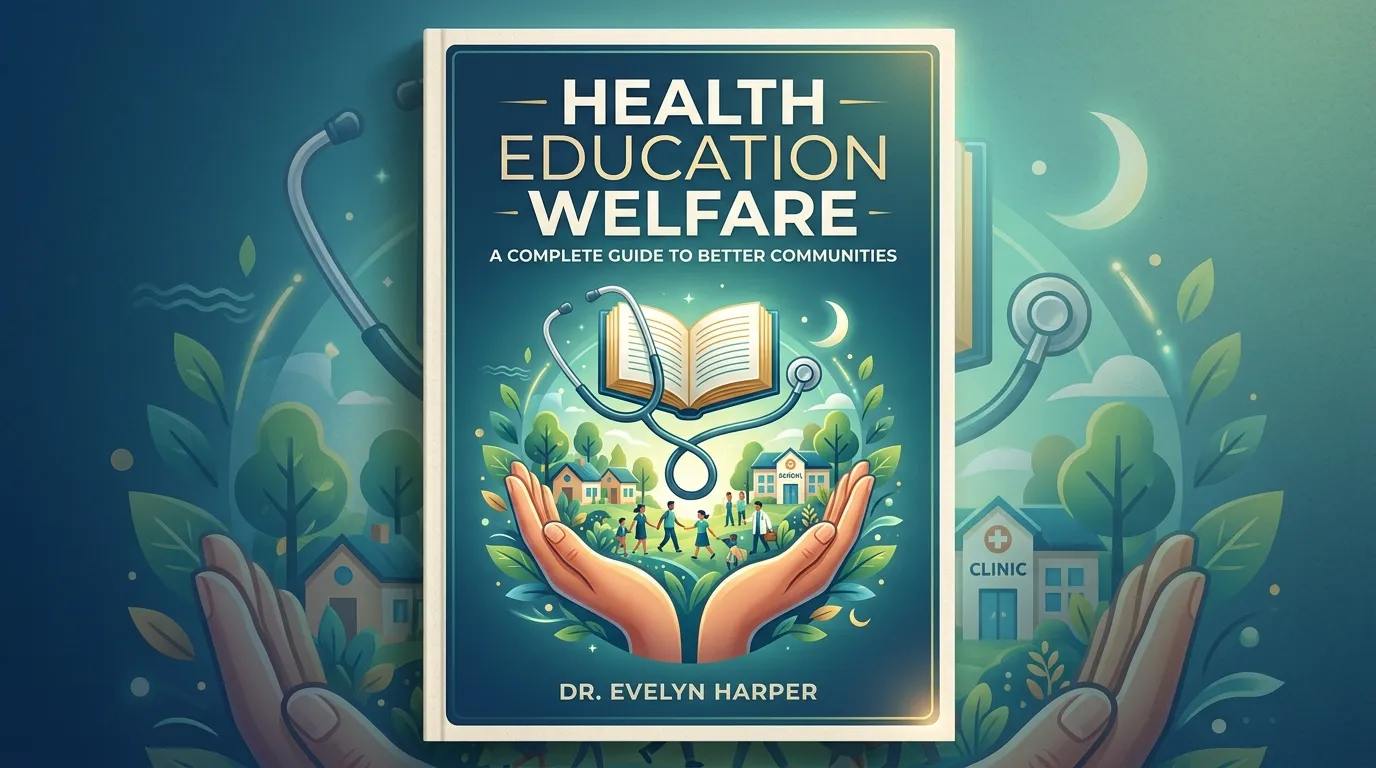
Health education welfare combines public health education with welfare support systems to improve overall community wellbeing. It includes school programs, public awareness campaigns, rural health schemes, and government initiatives that help people understand health risks while also giving them access to essential care. By linking knowledge with practical support, these programs reduce preventable illness, improve quality of life, and build stronger, healthier communities.
Health education welfare combines teaching people about their health with programs that support their wellbeing. It includes public health campaigns, school health lessons, rural welfare schemes, and government initiatives—all designed to help people make informed choices, prevent illness, and access the care they need.
Good health doesn’t happen by accident. It grows from knowledge, support, and access to the right resources at the right time. That’s the heart of health education welfare—a field that brings together teaching, public services, and community care to help people live healthier lives.
When communities understand how to protect their health, everyone benefits. Hospitals see fewer preventable cases. Families spend less on treatment. Workers stay productive. Children grow up with habits that last a lifetime. These ripple effects make health education welfare one of the smartest investments any society can make.
This guide breaks down the main pillars of health education welfare, from public health programs to school-based lessons. You’ll learn how these initiatives work, who they help, and why they matter. Whether you work in healthcare, run a community organization, or simply want to understand how health systems support people, you’ll find practical insights here.
What are public health education programs?
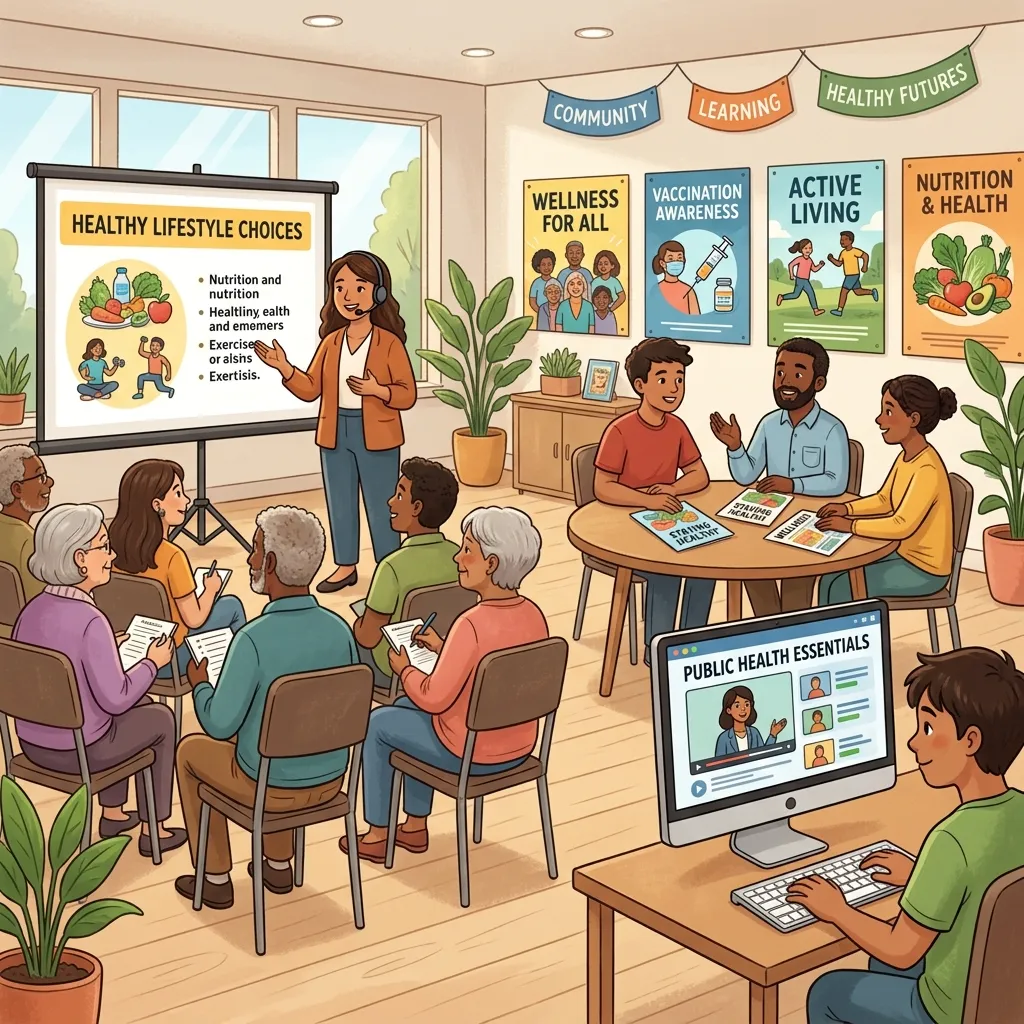
Public health education programs teach large groups of people about health risks and healthy behaviors. They use campaigns, workshops, and media to spread reliable information across entire populations.
These programs tackle issues that affect many people at once. Think anti-smoking drives, vaccination awareness, or campaigns about safe drinking water. The goal is simple: give people facts they can act on.
A strong public health program does three things well. First, it identifies a health problem that affects the community. Second, it delivers clear, accurate information through channels people trust. Third, it measures whether behavior actually changes over time.
Television, radio, social media, and posters all play a role. But the most effective programs also train local leaders to spread messages in person. People often trust a familiar face more than a national ad. That’s why grassroots involvement matters so much.
How do health awareness and welfare initiatives work together?
Health awareness and welfare initiatives pair information with practical support. Awareness teaches people what to do, while welfare helps them actually do it.
Picture a campaign about maternal health. Awareness might explain why pregnant women need regular checkups. But many women can’t reach a clinic or afford transport. A welfare initiative steps in by offering free transport, subsidized care, or home visits from health workers.
This pairing matters because knowledge alone isn’t enough. Telling someone to eat healthy food won’t help if they can’t afford it. Welfare programs close that gap by removing barriers to good health.
The best initiatives blend both approaches from the start. They ask not only “What do people need to know?” but also “What stops them from acting on that knowledge?” Answering both questions leads to real change.
What do community health education services provide?
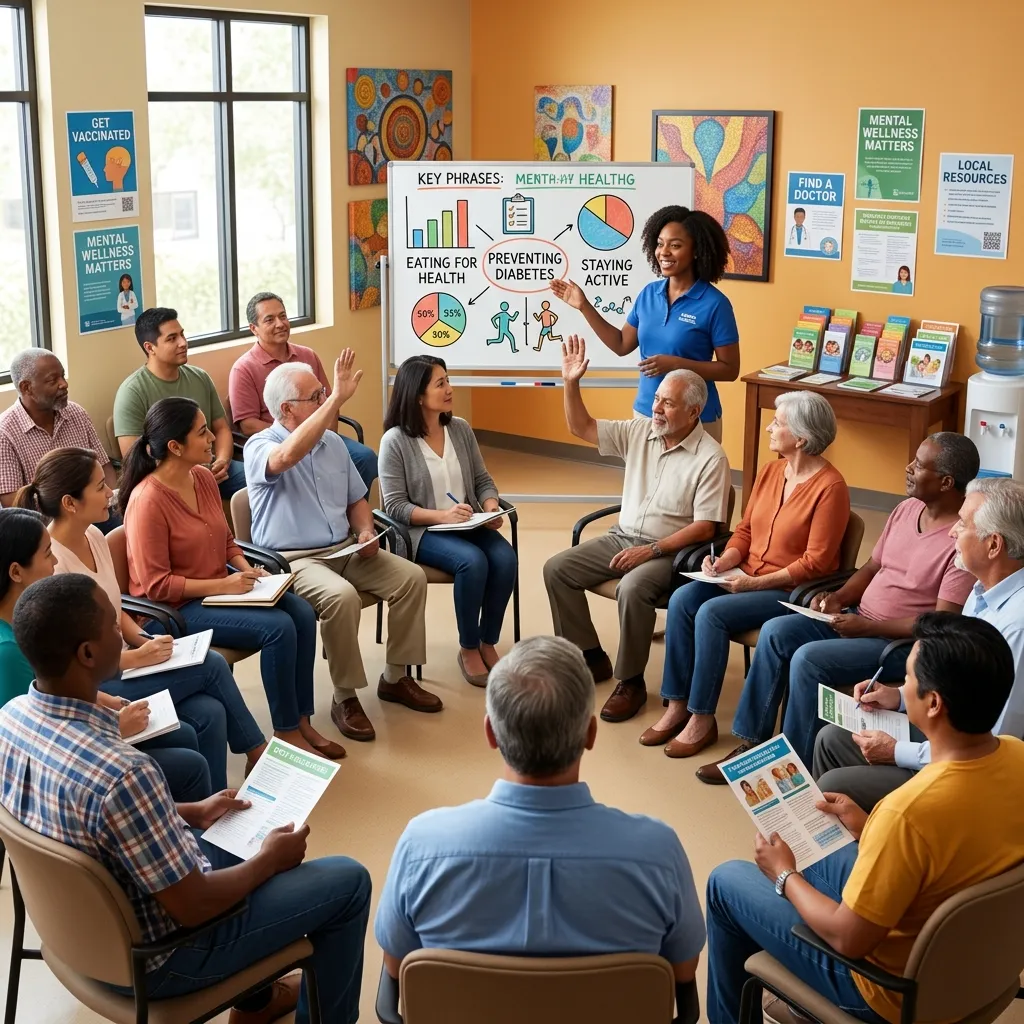
Community health education services bring health learning directly to neighborhoods. They work where people live, rather than waiting for people to come to them.
These services often run out of community centers, places of worship, schools, and local clinics. Trained educators lead sessions on topics like nutrition, mental health, disease prevention, and first aid. They speak the local language and understand local customs, which builds trust.
Here’s what these services typically offer:
- Health screenings for blood pressure, diabetes, and other common conditions
- Workshops on diet, exercise, and stress management
- Support groups for people managing chronic illness
- Referrals that connect people to doctors and specialists
- Educational materials written in plain, accessible language
The strength of community services lies in their reach. They serve people who might never visit a hospital—the elderly, low-income families, and those in remote areas. By meeting people where they are, these services catch problems early.
How does health and social welfare development improve lives?
Health and social welfare development takes a long-term view. It builds the systems, policies, and infrastructure that keep communities healthy for years to come.
This work goes beyond single campaigns. It involves training healthcare staff, building clinics, creating health policies, and funding ongoing programs. The aim is to develop lasting capacity rather than quick fixes.
Social welfare development also recognizes that health connects to other parts of life. A person’s income, housing, education, and environment all shape their wellbeing. Programs that address these wider factors—sometimes called the social determinants of health—often achieve deeper, more durable results.
For example, a clean water project does more than prevent disease. It frees up time once spent fetching water, lets children attend school, and reduces medical costs for families. One well-designed welfare project can transform many parts of community life.
Why are preventive health education strategies so effective?
Preventive health education strategies stop illness before it starts. Instead of treating sickness after the fact, they teach people how to avoid it altogether.
Prevention saves money and lives. Treating a disease usually costs far more than preventing it. A simple lesson on handwashing, for instance, can reduce the spread of infections at a fraction of the cost of treating them.
Effective preventive strategies focus on a few key areas:
- Healthy habits like good nutrition, regular exercise, and proper hygiene
- Early detection through routine screenings and checkups
- Vaccination to protect against preventable diseases
- Risk awareness about smoking, alcohol, and other harmful behaviors
- Mental health support to catch stress and anxiety early
The challenge with prevention is that its benefits aren’t always visible. When a campaign succeeds, nothing dramatic happens—people simply don’t get sick. This makes prevention easy to overlook, even though it delivers some of the highest returns in all of healthcare.
What do healthcare education and training programs involve?
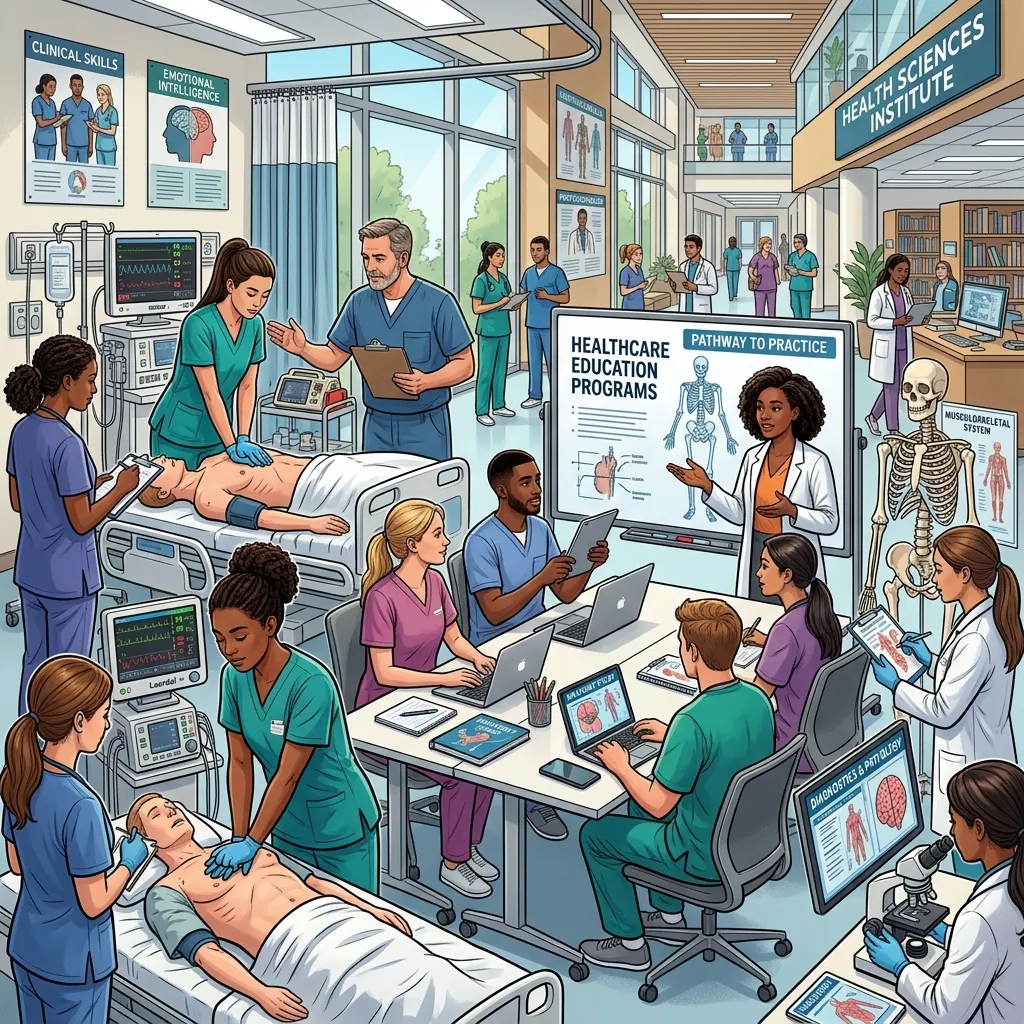
Healthcare education and training programs prepare the people who deliver care. They equip doctors, nurses, community workers, and volunteers with the skills they need to serve their communities.
Without trained workers, even the best-funded health system falls apart. These programs range from formal medical degrees to short courses for community volunteers. Each level plays a vital role.
Training community health workers often delivers the biggest impact per dollar. These workers don’t need years of medical school. With focused training, they can teach families about nutrition, spot warning signs of illness, and connect people to clinics. In many rural areas, they form the backbone of the entire health system.
Ongoing training matters too. Medicine changes fast, and health workers need regular updates on new treatments, diseases, and best practices. Programs that include refresher courses keep the whole system sharp and effective.
How do rural health education and welfare schemes reach remote areas?
Rural health education and welfare schemes serve communities far from cities and hospitals. They address the unique challenges of distance, poverty, and limited infrastructure.
Rural areas often face the steepest health hurdles. Clinics may be hours away. Roads may be poor. Few doctors choose to work in remote regions. These barriers make rural health schemes especially important.
To overcome these challenges, rural schemes use creative approaches:
- Mobile health units that travel to villages on a set schedule
- Telemedicine that connects rural patients to distant doctors
- Local health workers recruited and trained from within the community
- Subsidized services that make care affordable for low-income families
- Awareness drives tailored to local crops, climate, and customs
The most successful rural schemes involve the community in their design. When villagers help shape a program, they understand it better and use it more. Local ownership turns a temporary project into a lasting resource.
What role do government health welfare programs play?
Government health welfare programs provide the funding, structure, and policy that hold health systems together. They set national priorities and ensure care reaches everyone, not just those who can pay.
Governments operate at a scale no charity or business can match. They can build hospital networks, fund nationwide vaccination drives, and create laws that protect public health. This scale makes government action essential for broad, lasting change.
Common government programs include subsidized insurance, free clinics, maternal and child health schemes, and disease control efforts. Many also fund the education and welfare initiatives covered earlier in this guide.
Accountability matters here. The best programs track their results, publish their findings, and adjust based on what works. When governments measure outcomes honestly, they spend public money more wisely and serve people better.
How do school-based health education initiatives shape young lives?
School-based health education initiatives teach children healthy habits early, when those lessons stick best. Schools reach nearly every child, making them a powerful place to build lifelong wellbeing.
Habits formed in childhood often last for life. A child who learns to brush their teeth, eat vegetables, and wash their hands carries those habits into adulthood. Teaching these lessons in school multiplies their impact across an entire generation.
School programs cover a wide range of topics. They teach nutrition, physical fitness, hygiene, mental health, and how to avoid risky behaviors. Many also provide direct services like vaccinations, vision tests, and dental checkups.
Children also act as messengers. A child who learns about handwashing at school often brings that lesson home. In this way, school programs reach not just students but whole families—a quiet but powerful form of community education.
How do health promotion and welfare services support whole communities?
Health promotion and welfare services tie everything together. They combine education, support, and access into coordinated efforts that lift the health of entire communities.
Health promotion focuses on enabling people to take control of their own health. Rather than simply treating illness, it creates conditions where healthy choices come easily. This might mean building parks for exercise, regulating unhealthy food ads, or making clinics easier to reach.
Welfare services add the safety net. They support people during illness, financial hardship, or family crisis. Together, promotion and welfare cover both the everyday and the emergency.
The real power of these services shows when they work as one. A community with health education, accessible clinics, school programs, and welfare support creates a web of care. No single thread holds it up—the whole network does. That’s the ultimate goal of health education welfare: a community where staying healthy is the easy, natural choice.
Building healthier communities starts now
Health education welfare isn’t one program or policy—it’s a connected system that teaches, supports, and protects people at every stage of life. From public campaigns to school lessons, from rural schemes to government action, each piece strengthens the whole.
The path forward is clear. Communities thrive when knowledge meets access, and when education pairs with real support. If you want to make a difference, start by identifying the gaps in your own community. Is information missing? Is access blocked? Is support lacking? Each gap is a chance to act.
Look into local health programs, volunteer with community services, or advocate for stronger welfare policies. Small steps add up. The healthier choices we make today build the stronger, more resilient communities of tomorrow.
Frequently asked questions
What is health education welfare?
Health education welfare combines health teaching with support services that promote wellbeing. It includes public health campaigns, community education, school programs, rural schemes, and government initiatives—all aimed at helping people make informed health choices and access care.
Why is health education important for welfare?
Health education gives people the knowledge to prevent illness and make better choices. When paired with welfare support, it removes barriers like cost and distance, so people can actually act on what they learn. This lowers healthcare costs and improves quality of life.
What is the difference between health education and health welfare?
Health education teaches people about health risks and healthy behaviors. Health welfare provides the practical support—such as free clinics, transport, or subsidies—that helps people act on that knowledge. The two work best together.
Who benefits most from health education welfare programs?
Low-income families, rural communities, the elderly, children, and people with chronic illness benefit most. These groups often face the biggest barriers to good health, so programs that combine education with support make the greatest difference for them.
How can communities improve health education and welfare?
Communities can start by identifying gaps in knowledge, access, and support. Effective steps include training local health workers, running school-based programs, setting up mobile clinics for remote areas, and partnering with government welfare schemes to reach more people.
