


A nervous system reset helps restore balance between your body’s stress response and recovery systems. By using techniques like breathwork, vagus nerve stimulation, cold exposure, and relaxation practices, you can reduce stress, improve emotional regulation, and support long-term nervous system health.
A nervous system reset is a set of intentional techniques—like diaphragmatic breathing, cold exposure, and vagus nerve stimulation—that help shift your body from a stress state (fight-or-flight) into rest and recovery mode (rest-and-digest). Most techniques take less than 10 minutes and can be done at home without equipment.
You’ve made it through a brutal week. The deadlines, the arguments, the sleepless nights. You finally sit down to relax—and your body refuses to cooperate. Your heart still races. Your jaw stays clenched. Your mind keeps spinning. Sound familiar?
That’s not laziness or weakness. That’s a dysregulated nervous system that hasn’t received the signal to stand down.
The autonomic nervous system governs functions you rarely think about—your heart rate, digestion, breathing, and stress response. When life keeps throwing curveballs, this system can get stuck in a state of chronic activation. The result is a body that’s perpetually braced for danger, even when the threat is long gone.
The good news? The nervous system is remarkably adaptable. With the right techniques, you can actively guide it back toward balance. This guide breaks down what a nervous system reset actually means, which methods are backed by science, and how to build a sustainable recovery routine.
What Is a Nervous System Reset—and Why Does It Matter?
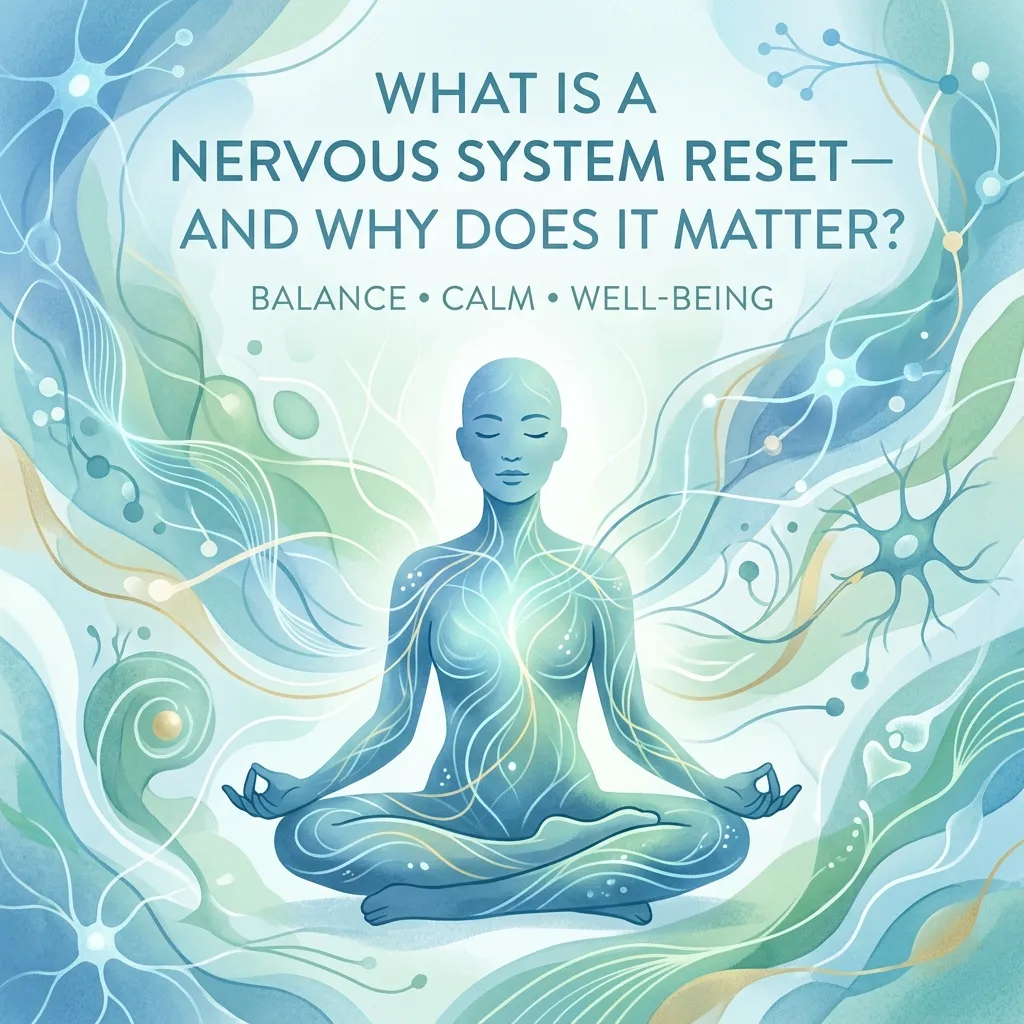
The autonomic nervous system operates in two primary modes. The sympathetic nervous system drives the fight-or-flight response—it’s your body’s emergency alert system. The parasympathetic nervous system handles rest, digestion, healing, and recovery.
Under normal circumstances, these two systems balance each other. Stress triggers the sympathetic branch; rest activates the parasympathetic branch. The problem arises when modern life keeps you locked in sympathetic overdrive: chronic work pressure, financial stress, poor sleep, and social conflict all feed this cycle.
A nervous system reset is any deliberate practice that helps your body exit the stress state and activate parasympathetic recovery. According to research published in Frontiers in Human Neuroscience (2013), slow-paced breathing significantly increases heart rate variability (HRV)—a key physiological marker of nervous system balance. Higher HRV is associated with better emotional regulation, cognitive flexibility, and physical health.
Put simply, a nervous system reset isn’t just about feeling calm. It’s about restoring the body’s capacity to regulate itself.
How the Autonomic Nervous System Gets Dysregulated
Understanding why your nervous system gets stuck helps you reset it more effectively.
The autonomic nervous system responds to perceived threats, not just real ones. That means a looming email from your boss can trigger the same stress cascade as a physical danger—your body doesn’t differentiate. Repeated exposure to these triggers, without sufficient recovery time, trains the nervous system to remain alert even in safe situations.
Dr. Peter Levine, developer of Somatic Experiencing therapy, describes unresolved stress as incomplete physiological responses. Animals in the wild physically shake off stress after a threatening encounter. Humans, by contrast, tend to suppress these responses—which can leave the nervous system in a state of unresolved tension.
Chronic dysregulation can manifest as:
- Persistent fatigue despite adequate sleep
- Digestive issues
- Difficulty concentrating
- Heightened emotional reactivity
- Muscle tension, particularly in the neck, shoulders, and jaw
Recognizing these signs is the first step toward intentional nervous system healing.
The Vagus Nerve: Your Body’s Built-In Reset Button
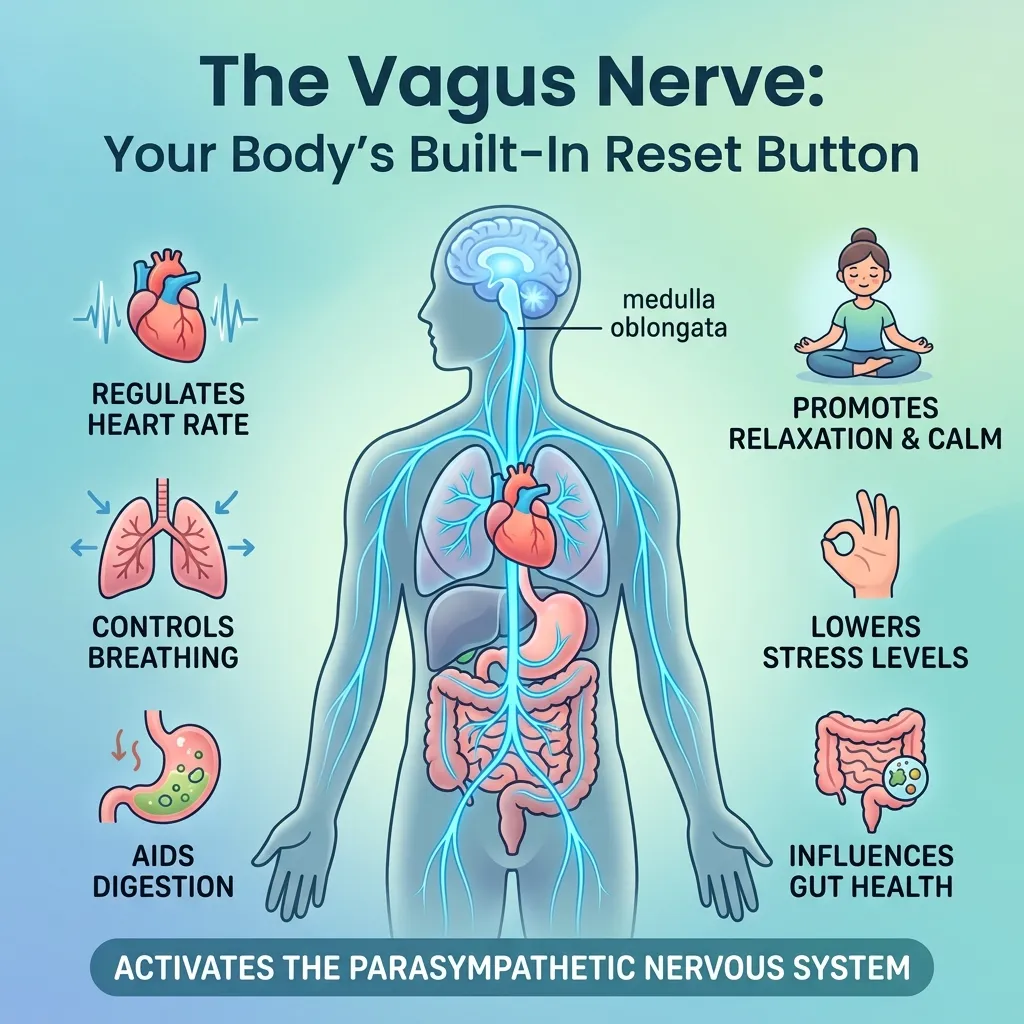
No discussion of a nervous system reset is complete without mentioning the vagus nerve. The longest cranial nerve in the body, the vagus nerve runs from the brainstem through the neck, chest, and abdomen, connecting the brain to major organs like the heart, lungs, and gut.
Vagal tone—the activity level of the vagus nerve—is directly linked to your body’s ability to recover from stress. Higher vagal tone means faster, more effective recovery. Lower vagal tone is associated with anxiety, inflammation, and poor emotional regulation.
A vagus nerve reset involves stimulating this nerve to shift the body toward parasympathetic dominance. Several evidence-based methods can achieve this:
Diaphragmatic Breathing
Slow, deep breathing that engages the diaphragm is one of the most reliable vagus nerve reset techniques available. Specifically, extending the exhale longer than the inhale activates the vagus nerve and lowers heart rate. A simple protocol: inhale for 4 counts, hold for 1, exhale for 6–8 counts. Repeat for five minutes.
Cold Water Exposure
Splashing cold water on your face or submerging your face in a bowl of cold water activates the dive reflex, a parasympathetic response that slows heart rate and promotes calm. Research from the International Journal of Environmental Research and Public Health (2020) suggests that regular cold-water immersion reduces perceived stress and supports autonomic nervous system balance.
Humming, Singing, or Gargling
This one sounds unusual, but it’s grounded in anatomy. The vagus nerve innervates the larynx and pharynx, meaning that humming, chanting, or gargling creates vibrations that stimulate vagal activity. Even a few minutes of humming can shift your physiological state.
Parasympathetic Nervous System Activation Techniques
Beyond vagus nerve stimulation, several practices are particularly effective at activating the parasympathetic nervous system and supporting a full nervous system reset.
Progressive Muscle Relaxation (PMR)
PMR involves systematically tensing and releasing muscle groups throughout the body. A meta-analysis published in Applied Psychophysiology and Biofeedback (2021) found that PMR significantly reduces physiological markers of stress, including cortisol and heart rate. The process usually takes 15–20 minutes and can be guided by apps or audio recordings.
Yoga Nidra
Often called “yogic sleep,” yoga nidra is a guided meditation practice that systematically brings the body into a state between waking and sleeping. Studies have found that yoga nidra reduces sympathetic activity and increases parasympathetic tone, making it an effective tool for nervous system healing. A single 30-minute session has been shown to reduce anxiety in participants with chronic stress.
NSDR (Non-Sleep Deep Rest)
Popularized by neuroscientist Dr. Andrew Huberman, NSDR is a protocol designed to accelerate nervous system recovery without requiring sleep. It typically involves lying still and following a body-scan or breathwork protocol for 10–30 minutes. NSDR has been associated with improved cognitive function, mood regulation, and stress recovery.
Nature Exposure
Time spent in natural environments—forests, parks, bodies of water—measurably reduces sympathetic nervous system activity. A study published in Environment and Behavior (2019) found that just 20 minutes in a natural setting significantly lowered cortisol levels. This effect, sometimes called “green therapy” or forest bathing (shinrin-yoku), is now widely recognized in integrative medicine.
Stress Recovery Techniques for Daily Nervous System Balance
A nervous system reset works best when it’s part of an ongoing routine rather than an emergency measure. These daily practices support long-term autonomic nervous system balance:
Morning regulation: Start the day with 5–10 minutes of intentional breathwork before checking your phone. Morning light exposure also helps calibrate the circadian rhythm, which is closely linked to nervous system regulation.
Movement: Regular, moderate physical activity—particularly walking, swimming, and yoga—strengthens vagal tone over time. Avoid high-intensity training as your primary recovery method, as excessive cortisol output can deepen dysregulation.
Sleep hygiene: Sleep is when the parasympathetic nervous system does its deepest repair work. Prioritizing 7–9 hours of quality sleep, with consistent sleep and wake times, is foundational to nervous system healing.
Social connection: The polyvagal theory, developed by Dr. Stephen Porges, identifies social engagement as a primary regulatory system. Safe, genuine connection with other people activates the ventral vagal complex—the most evolved branch of the parasympathetic system, associated with feelings of calm, safety, and belonging.
Limiting stimulants: Caffeine, alcohol, and excessive screen time all activate the sympathetic nervous system. Managing their use—especially in the afternoon and evening—creates space for natural parasympathetic recovery.
How Long Does a Nervous System Reset Take?
This depends on the depth of dysregulation. Acute stress—the kind triggered by a single difficult day—can often be resolved with one focused session of breathwork, cold exposure, or movement. The body returns to baseline relatively quickly.
Chronic dysregulation, however, takes longer to address. If your nervous system has been stuck in a high-alert state for months or years, expect the recovery process to unfold over weeks to months of consistent practice. This isn’t a failure of the techniques—it’s the nervous system gradually rebuilding its capacity for self-regulation.
Working with a somatic therapist, trauma-informed yoga instructor, or a clinician trained in nervous system approaches can accelerate this process significantly, particularly for individuals whose dysregulation is linked to past trauma.
Restore Nervous System Balance: Building Your Reset Routine
The most effective approach to a natural nervous system reset is consistency over intensity. A daily 10-minute breathwork practice will do more for long-term autonomic balance than an occasional two-hour yoga retreat.
Here’s a sample structure to get started:
- Morning (5–10 min): Diaphragmatic breathing or NSDR protocol
- Midday (5 min): Cold water face splash or short nature walk
- Evening (10–20 min): PMR, yoga nidra, or gentle movement
Track how you feel over time. Better sleep, improved digestion, more emotional flexibility, and lower baseline anxiety are all signs that nervous system healing is underway.
Your Nervous System Can Recover
Chronic stress leaves a mark—but it doesn’t leave a permanent one. The nervous system is built to recover. With the right tools applied consistently, it’s entirely possible to move from a state of chronic tension into one of genuine calm, resilience, and balance.
Start with one technique from this guide. Do it daily for one week. Then build from there. The nervous system doesn’t need perfection—it needs repetition and safety.
Frequently Asked Questions
What are the signs that my nervous system needs a reset?
Common signs of nervous system dysregulation include persistent fatigue, difficulty sleeping, digestive discomfort, emotional reactivity, jaw or shoulder tension, and a general sense of being “wired but tired.” These symptoms suggest the sympathetic nervous system is overactive and the parasympathetic system isn’t getting enough activation.
How do I reset my nervous system quickly in an acute stress moment?
The fastest methods include extended exhale breathing (inhale for 4 counts, exhale for 6–8), splashing cold water on your face, and humming or humming a low tone for 1–2 minutes. These directly stimulate the vagus nerve and can produce noticeable calm within 2–5 minutes.
Is a nervous system reset the same as meditation?
Not exactly. Meditation can be one component of a nervous system reset, but the reset also includes somatic practices like breathwork, cold exposure, movement, and social engagement. A nervous system reset targets the physiological state of the body, not just the mind.
Can a nervous system reset help with anxiety?
Yes. Anxiety is often a symptom of chronic sympathetic nervous system activation. Techniques that stimulate the parasympathetic nervous system—particularly vagus nerve reset practices and diaphragmatic breathing—have been shown to reduce anxiety symptoms over time. For clinical anxiety disorders, these practices work best alongside professional support.
How often should I do a nervous system reset?
Daily practice, even in short sessions, is more effective than infrequent, longer sessions. Aim for at least one dedicated practice per day—morning breathwork, an evening body scan, or a midday cold water exposure. Over time, these practices become habitual and the benefits compound.
What is a nervous system reset?
A nervous system reset is a collection of techniques that help move your body from a chronic stress state (fight-or-flight) into a calm, restorative state (rest-and-digest).
What causes the nervous system to become dysregulated?
Chronic stress, trauma, poor sleep, anxiety, illness, excessive workload, and prolonged emotional pressure can all disrupt normal nervous system function.
What is the fastest way to reset your nervous system?
Deep diaphragmatic breathing, extended exhale breathing, cold water on the face, humming, and short mindfulness exercises can help calm the nervous system within minutes.
Does vagus nerve stimulation help reset the nervous system?
Yes. Natural vagus nerve stimulation techniques such as slow breathing, humming, singing, meditation, and cold exposure can improve parasympathetic activation and promote relaxation.
How long does it take to reset the nervous system?
Some techniques provide immediate relief, while long-term nervous system regulation typically develops over several weeks or months of consistent practice.
Can a nervous system reset improve anxiety?
Yes. Regular nervous system reset practices can reduce stress, improve emotional regulation, and help manage anxiety by calming the body’s stress response.
Which exercises support a healthy nervous system?
Walking, yoga, tai chi, stretching, swimming, and other low-impact exercises help regulate the nervous system without increasing stress levels.
Can poor sleep affect nervous system health?
Absolutely. Sleep is essential for nervous system recovery, brain function, hormone regulation, and overall physical and mental well-being.
How often should I practice nervous system reset techniques?
Daily practice is recommended. Even 5–10 minutes of breathwork, meditation, or relaxation exercises can provide lasting benefits over time.
Can diet support nervous system recovery?
Yes. A balanced diet rich in magnesium, B vitamins, omega-3 fatty acids, antioxidants, and whole foods supports healthy nerve function and overall nervous system regulation.
