



Wellness tips don’t have to be complicated to be effective. Small daily habits like getting quality sleep, staying hydrated, managing stress, eating nutritious foods, and moving regularly can significantly improve physical and mental well-being. By focusing on consistent, realistic changes, you can build a healthier lifestyle that supports long-term wellness and resilience.
Building a healthier lifestyle doesn’t require a complete overhaul. Small, consistent habits—like prioritizing sleep, managing stress, and staying hydrated—can significantly improve physical and mental well-being over time. This post covers 10 practical wellness tips you can start applying today.
Most wellness advice sounds great in theory. Wake up at 5 a.m., meditate for 30 minutes, eat a clean breakfast, exercise, journal, and somehow still make it to work on time. For most people, that’s not a routine—it’s a fantasy.
Real wellness looks different. It’s built from small, repeatable habits that fit around your actual life—not an idealized version of it. The good news? The science backs this up. According to research published in the European Journal of Social Psychology, it takes an average of 66 days for a new habit to become automatic, and even simple behaviors can compound into meaningful health improvements over time.
This post breaks down 10 evidence-informed wellness tips across physical health, mental wellness, stress management, and self-care—organized so you can pick up where you are and build from there. Whether you’re starting from scratch or fine-tuning an existing routine, there’s something here that can shift the dial on your well-being.
Why Small Daily Wellness Habits Outperform Big Lifestyle Overhauls

Drastic changes are hard to sustain. Research consistently shows that people who make gradual, incremental changes to their lifestyle are more likely to maintain them long-term compared to those who attempt sudden, sweeping transformations. This principle underpins most of the tips below—they’re designed to be approachable, not aspirational to the point of being unachievable.
That said, small doesn’t mean insignificant. A 10-minute walk, a glass of water before coffee, five deep breaths before a meeting—these micro-habits accumulate into measurable differences in energy, mood, and physical health.
10 Practical Wellness Tips for Everyday Life
1. Anchor Your Day With a Morning Ritual
How you start the morning tends to shape how the rest of the day unfolds. A morning ritual doesn’t need to be elaborate. Even a 10-minute routine—stretching, making tea, or stepping outside briefly—signals to your brain that the day is beginning with intention rather than chaos.
The key is consistency. Doing the same few things each morning reduces decision fatigue and creates a psychological sense of control, which researchers at the American Psychological Association have linked to lower stress levels throughout the day.
2. Prioritize Sleep as a Non-Negotiable
Sleep is the foundation of every other wellness habit. The Centers for Disease Control and Prevention (CDC) recommends that adults get at least 7 hours of sleep per night, yet approximately one in three American adults regularly fall short of this target.
Poor sleep affects mood, cognitive function, immune response, metabolism, and cardiovascular health. Improving sleep quality doesn’t always require medical intervention. Dimming lights an hour before bed, avoiding screens, keeping a consistent sleep-wake schedule, and cooling your bedroom to around 65–68°F are all evidence-backed strategies for better rest.
3. Build a Hydration Habit Before Anything Else
Mild dehydration—as little as 1–2% of body weight lost in fluid—can impair concentration, mood, and physical performance, according to a study published in the Journal of Nutrition. Most people don’t register mild dehydration as thirst; they feel it as fatigue, brain fog, or a dull headache.
A simple fix: drink a full glass of water before your morning coffee. This one small habit, done consistently, makes a measurable difference in daily energy levels.
4. Move Your Body in Ways You Actually Enjoy
The most effective exercise is the exercise you’ll actually do. Running is excellent—but if you dread it every time, you’re unlikely to keep it up. Swimming, dancing, cycling, yoga, strength training, or even a brisk daily walk all offer substantial health benefits when done regularly.
The Physical Activity Guidelines for Americans recommend at least 150 minutes of moderate-intensity aerobic activity per week. That breaks down to roughly 22 minutes per day—far less daunting when framed that way. Consistency beats intensity, especially at the start.
5. Manage Stress With Intentional Practices
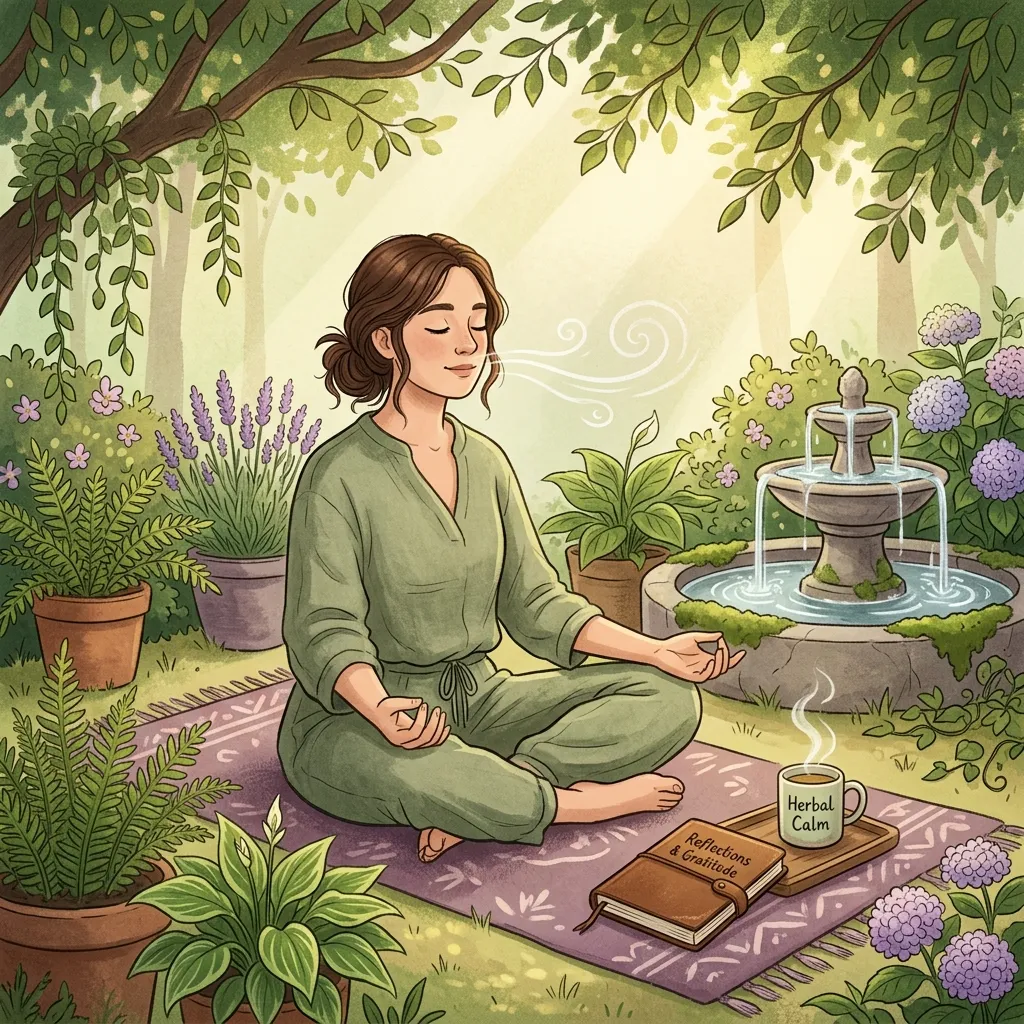
Chronic stress is one of the most significant threats to long-term health. It contributes to cardiovascular disease, weakened immunity, digestive issues, and mental health conditions including anxiety and depression. The challenge is that stress is often invisible—normalized as part of a busy life until it creates a health crisis.
Effective stress management techniques include:
- Diaphragmatic breathing: Slow, deep breaths activate the parasympathetic nervous system, reducing the physiological stress response within minutes.
- Progressive muscle relaxation: Systematically tensing and releasing muscle groups helps release physical tension held in the body.
- Time blocking: Structuring your day intentionally reduces the cognitive load of constant task-switching, a major contributor to mental fatigue.
- Digital boundaries: Designating screen-free times—particularly in the hour before bed and during meals—significantly reduces ambient stress.
None of these require special equipment or a gym membership. They require awareness and a little practice.
6. Nourish Your Body With Whole Foods—Most of the Time
Nutrition advice is notoriously contested, but a few principles hold up consistently across the research. Diets rich in whole foods—vegetables, legumes, whole grains, lean proteins, and healthy fats—are associated with lower rates of chronic disease and better mental health outcomes.
The key phrase is “most of the time.” Nutritional perfectionism often backfires, leading to cycles of restriction and overcorrection. A 2019 review in Current Nutrition Reports found that flexible, non-restrictive dietary approaches lead to better long-term adherence and psychological well-being compared to rigid diet rules.
Crowd out processed foods gradually by adding more whole foods to your plate, rather than focusing on what to eliminate.
7. Build Mental Wellness Into Your Daily Routine
Mental wellness strategies are not reserved for people in crisis. Proactive mental health care—practices that strengthen psychological resilience before problems arise—is just as important as treating symptoms when they appear.
Practical daily strategies include:
- Journaling: Writing for 10–15 minutes per day has been shown to reduce intrusive thoughts and improve emotional processing, according to research published in Advances in Psychiatric Treatment.
- Gratitude practice: Noting three specific things you’re grateful for each day shifts cognitive focus away from threat and negativity, with measurable effects on mood over time.
- Social connection: Regular, meaningful interaction with others is one of the strongest predictors of long-term happiness and mental health, according to findings from the Harvard Study of Adult Development—one of the longest-running studies on human flourishing.
8. Embrace Holistic Health Practices That Support Mind-Body Wellness
Mind-body wellness acknowledges that physical and mental health are not separate systems—they’re deeply interconnected. Practices like yoga, tai chi, and mindfulness meditation work on both simultaneously, reducing cortisol levels, improving flexibility, enhancing focus, and supporting emotional regulation.
A 2018 meta-analysis published in Psychiatry Research found that mindfulness-based interventions significantly reduced anxiety, depression, and stress across a broad range of populations. Importantly, even brief daily practice—as little as 10 minutes—produced measurable benefits when done consistently.
If formal meditation feels uncomfortable, start with mindful walking or mindful eating. Pay attention to physical sensations, sounds, and breath without judgment. The practice is more accessible than its reputation suggests.
9. Create a Self-Care Routine That Restores Rather Than Decorates
Self-care has been co-opted by marketing to mean bubble baths and scented candles. While there’s nothing wrong with those things, genuine self-care is about restoration—activities that replenish your physical and emotional reserves.
Restorative self-care looks different for everyone. For introverts, it might be an hour of uninterrupted reading. For extroverts, a catch-up with a close friend. For others, it’s time in nature, creative expression, or simply doing nothing.
The question to ask is: After doing this, do I feel more like myself? If yes, it’s self-care. If it leaves you feeling drained, depleted, or worse, it isn’t—regardless of how it looks on paper.
10. Design a Wellness Routine That Evolves With You
A wellness routine is not a fixed prescription. Life changes—seasons, work demands, relationships, health status—and your routine should flex accordingly. What worked at 25 may not work at 40. What sustains you during a low-stress period may not be enough during a demanding one.
Build in regular check-ins with yourself. Every month or quarter, ask: What’s working? What’s not? What do I need more of right now? This ongoing self-assessment keeps your wellness routine grounded in your actual life, not a static ideal.
Building a Sustainable Healthy Lifestyle: Where to Start

Ten tips can feel like ten separate to-do list items. But they’re not—they’re connected. Sleep supports energy for exercise. Exercise improves stress resilience. Stress management supports better food choices. Better nutrition improves sleep quality. Each habit reinforces the others.
Start with one. Choose the tip that feels most immediately relevant to where you are right now, and commit to it for two to four weeks before adding another. Progress compounds quietly, and often the most significant changes are invisible until they’re undeniable.
Personal well-being isn’t a destination. It’s an ongoing practice of paying attention to what your body and mind need—and responding with consistency, not perfection.
Frequently Asked Questions
What are the most important daily wellness habits for overall health?
The most effective daily Wellness Tips include getting 7–9 hours of sleep, staying hydrated, exercising regularly, managing stress, and eating a balanced diet. These foundational habits support both physical and mental well-being.
How long does it take to build a wellness routine?
Research suggests it takes an average of 66 days for a new habit to become automatic. One of the most important Wellness Tips is to focus on building one healthy habit at a time for better long-term success.
What are effective stress management techniques for everyday life?
Popular Wellness Tips for stress management include deep breathing exercises, journaling, mindfulness meditation, time management, and limiting screen time. These practices can help reduce daily stress and improve overall well-being.
What does holistic health mean in practice?
Holistic health treats physical, mental, and emotional well-being as interconnected. Popular approaches include yoga, mindfulness meditation, healthy nutrition, and social connection. A valuable wellness tip is to adopt habits that support both your body and mind rather than focusing on just one area of health.
How do I know if my self-care routine is actually working?
A useful benchmark: if an activity consistently leaves you feeling more restored, grounded, or energized afterward, it functions as genuine self-care. If it feels obligatory, performative, or leaves you depleted, it may be worth replacing with something that better meets your actual needs.
Is it possible to improve mental wellness without professional support?
Yes—proactive mental wellness practices like journaling, gratitude exercises, social connection, and mindfulness can meaningfully support psychological well-being for many people. That said, these strategies complement rather than replace professional support when symptoms of anxiety, depression, or other mental health conditions are present.
What are the best wellness tips for beginners?
Start with simple habits such as drinking more water, improving sleep, taking daily walks, and practicing stress management techniques.
How can wellness tips improve overall health?
Wellness tips support better physical health, mental well-being, energy levels, immune function, and long-term disease prevention.
How long does it take to see results from healthy lifestyle changes?
Many people notice improvements within a few weeks, while lasting habits typically take around two months to become routine.
What are the most important daily wellness habits?
Prioritizing sleep, staying hydrated, exercising regularly, eating balanced meals, and managing stress are among the most effective wellness habits.
Can wellness tips help reduce stress?
Yes. Breathing exercises, mindfulness, physical activity, and setting healthy boundaries can help lower stress and improve emotional balance.
Why is sleep important for wellness?
Quality sleep supports brain function, mood, immune health, recovery, and overall physical and mental performance.
What role does nutrition play in wellness?
A diet rich in whole foods, fruits, vegetables, lean proteins, and healthy fats helps support energy, health, and disease prevention.
Are wellness tips beneficial for mental health?
Yes. Practices like journaling, gratitude, mindfulness, and social connection can strengthen mental wellness and emotional resilience.
How can I create a sustainable wellness routine?
Focus on one or two habits at a time, choose activities you enjoy, and make gradual improvements rather than drastic changes.
What is the easiest wellness tip to start today?
One of the simplest wellness tips is drinking a glass of water each morning and taking a short daily walk to support overall well-being.
