


Health and wellness describe a state of complete physical, mental, and social well-being—not simply the absence of illness. Health refers to your body’s condition, while wellness is the active, ongoing process of making choices that lead to a fulfilling life. Together, they form the foundation for living well across every area of your life.
We tend to think about health only when something goes wrong—a nagging back pain, a cold that won’t quit, or a stretch of restless nights. But health and wellness are about much more than treating problems as they arise. They’re about the daily choices that shape how we feel, function, and thrive over time.
This guide breaks down what health and wellness really mean, why they matter, and how the two ideas work together. You’ll learn about the different dimensions of wellness, discover practical habits you can build into your routine, and find realistic tips for improving your well-being—starting today. Whether you’re just beginning to think about your health or looking to refine habits you already have, there’s something here for you.
Let’s start with the basics.
What Is the Definition of Health and Wellness?
Health and wellness are closely related, but they aren’t the same thing.
The World Health Organization defines health as “a state of complete physical, mental and social well-being and not merely the absence of disease or infirmity.” In other words, being healthy isn’t just about avoiding sickness—it’s about thriving across multiple areas of life.
Wellness, on the other hand, is the active process of becoming aware of and making choices toward a healthy and fulfilling life. The Global Wellness Institute describes wellness as “the active pursuit of activities, choices, and lifestyles that lead to a state of holistic health.”
The key difference? Health is often viewed as a state or outcome, while wellness is a dynamic, ongoing process. You don’t simply “arrive” at wellness—you practice it daily through the decisions you make about food, movement, relationships, and rest.
Why Are Health and Wellness Important?
Prioritizing health and wellness affects nearly every part of your life. Here’s why it matters:
- Longer, healthier life: Healthy lifestyle habits can reduce your risk of chronic diseases like heart disease, type 2 diabetes, and certain cancers.
- Better mental health: Physical activity, quality sleep, and strong social connections all support emotional well-being and lower the risk of anxiety and depression.
- Increased energy and productivity: When your body and mind are well cared for, you have more energy to tackle daily tasks and pursue your goals.
- Greater resilience: People who maintain their wellness tend to handle stress and recover from setbacks more effectively.
- Improved quality of life: Beyond avoiding illness, wellness helps you feel genuinely good—physically, mentally, and emotionally.
Investing in your well-being isn’t a luxury. It’s one of the most practical things you can do to enjoy a fuller, more capable life.
What Is Physical Health and Wellness?
Physical health and wellness focus on the condition and care of your body. This dimension includes everything from nutrition and exercise to sleep, hydration, and preventive care.
Key elements of physical wellness include:
- Regular physical activity: The Centers for Disease Control and Prevention (CDC) recommends adults get at least 150 minutes of moderate-intensity aerobic activity per week, plus muscle-strengthening activities on two or more days.
- Balanced nutrition: Eating a variety of whole foods—fruits, vegetables, lean proteins, whole grains, and healthy fats—gives your body the fuel it needs.
- Adequate sleep: Most adults need seven to nine hours of quality sleep per night to support recovery, focus, and mood.
- Preventive healthcare: Regular checkups, screenings, and vaccinations help catch problems early and keep you on track.
- Staying hydrated: Drinking enough water supports digestion, energy levels, and overall bodily function.
Physical wellness lays the groundwork for nearly every other aspect of well-being. When your body feels good, it’s easier to think clearly, manage stress, and engage with the people around you.
What Is Mental Health and Wellness?
Mental health and wellness cover your emotional, psychological, and social well-being. It influences how you think, feel, handle stress, and relate to others.
Mental wellness doesn’t mean being happy all the time. Instead, it means having the tools and resilience to cope with life’s ups and downs. According to the World Health Organization, mental health is “a state of well-being in which an individual realizes his or her own abilities, can cope with the normal stresses of life, can work productively, and is able to make a contribution to his or her community.”
Ways to support your mental health include:
- Managing stress through techniques like deep breathing, mindfulness, or journaling.
- Building strong relationships with friends, family, and community.
- Seeking professional help when you need it—therapy and counseling are valuable resources, not signs of weakness.
- Practicing self-compassion and giving yourself permission to rest.
- Setting boundaries to protect your time and energy.
Physical and mental health are deeply connected. Regular exercise releases endorphins that boost mood, while chronic stress can take a real toll on your body. Caring for one supports the other.
What Are the Eight Dimensions of Wellness?
Wellness is multidimensional. The Substance Abuse and Mental Health Services Administration (SAMHSA) identifies eight key dimensions that work together to create overall well-being:
- Physical: Caring for your body through exercise, nutrition, and sleep.
- Emotional: Understanding and managing your feelings effectively.
- Social: Building supportive relationships and a sense of connection.
- Intellectual: Engaging in lifelong learning and creative pursuits.
- Spiritual: Finding meaning, purpose, and values that guide your life.
- Occupational: Gaining satisfaction and enrichment from your work.
- Financial: Managing your resources to reduce stress and feel secure.
- Environmental: Living in surroundings that support your well-being.
You don’t need to perfect every dimension at once. The goal is balance—recognizing which areas need attention and making small adjustments over time.
What Are Healthy Lifestyle Habits?
Healthy lifestyle habits are the everyday behaviors that support your long-term well-being. The good news is they don’t have to be complicated. Small, consistent actions often matter more than dramatic overhauls.
Core healthy habits include:
- Eating a balanced diet with plenty of whole, minimally processed foods.
- Moving your body daily, whether through structured workouts or simple activities like walking.
- Prioritizing sleep and keeping a consistent sleep schedule.
- Staying hydrated throughout the day.
- Limiting alcohol and avoiding tobacco.
- Nurturing relationships and making time for the people you care about.
- Managing stress with regular relaxation or mindfulness practices.
Habits stick best when they’re realistic. Start with one or two changes, give them time to become routine, and build from there.
What Are Practical Wellness Tips for Daily Life?
You don’t need a complete life overhaul to improve your wellness. These simple, practical tips can fit into even the busiest schedule:
- Take movement breaks. Stand up and stretch every hour if you sit for long periods.
- Drink a glass of water first thing in the morning. It’s an easy way to start the day hydrated.
- Practice gratitude. Jot down three things you’re thankful for each day.
- Step outside. A few minutes of fresh air and natural light can lift your mood.
- Limit screen time before bed. This helps improve sleep quality.
- Prep healthy snacks so good choices are within easy reach.
- Connect with someone each day, even with a quick text or call.
- Breathe deeply when you feel stressed—a few slow breaths can reset your nervous system.
Pick one or two to try this week. Tiny shifts, repeated consistently, add up to meaningful change.
What Are the Benefits of a Healthy Lifestyle?
Committing to your health and wellness pays off in ways you can both see and feel. Some of the most rewarding benefits include:
- Reduced risk of chronic disease, including heart disease, stroke, and type 2 diabetes.
- Stronger immune system, helping you fend off illness.
- Better mood and mental clarity, thanks to the link between physical activity and brain health.
- More energy to do the things you enjoy.
- Improved sleep quality.
- Healthier weight management.
- Greater confidence and self-esteem.
- A longer life expectancy, with more years spent feeling capable and well.
These benefits reinforce one another. Better sleep boosts energy, which makes exercise easier, which improves mood—creating a positive cycle that builds on itself.
How Can You Improve Your Overall Wellness?
Improving your overall wellness comes down to small, intentional steps rather than overnight transformation. Here’s a practical approach:
- Assess where you are. Look at the eight dimensions of wellness and identify which areas need the most attention.
- Set realistic goals. Choose specific, achievable targets, like walking 20 minutes a day or going to bed 30 minutes earlier.
- Build one habit at a time. Focusing on a single change makes it more likely to stick.
- Track your progress. Use a journal, app, or simple checklist to stay accountable.
- Be patient and kind to yourself. Progress isn’t always linear—setbacks are part of the process.
- Ask for support. Friends, family, or healthcare professionals can help you stay motivated.
Wellness is a lifelong journey, not a destination. The aim isn’t perfection—it’s steady, sustainable improvement.
What Are Some Real-World Health and Wellness Examples?
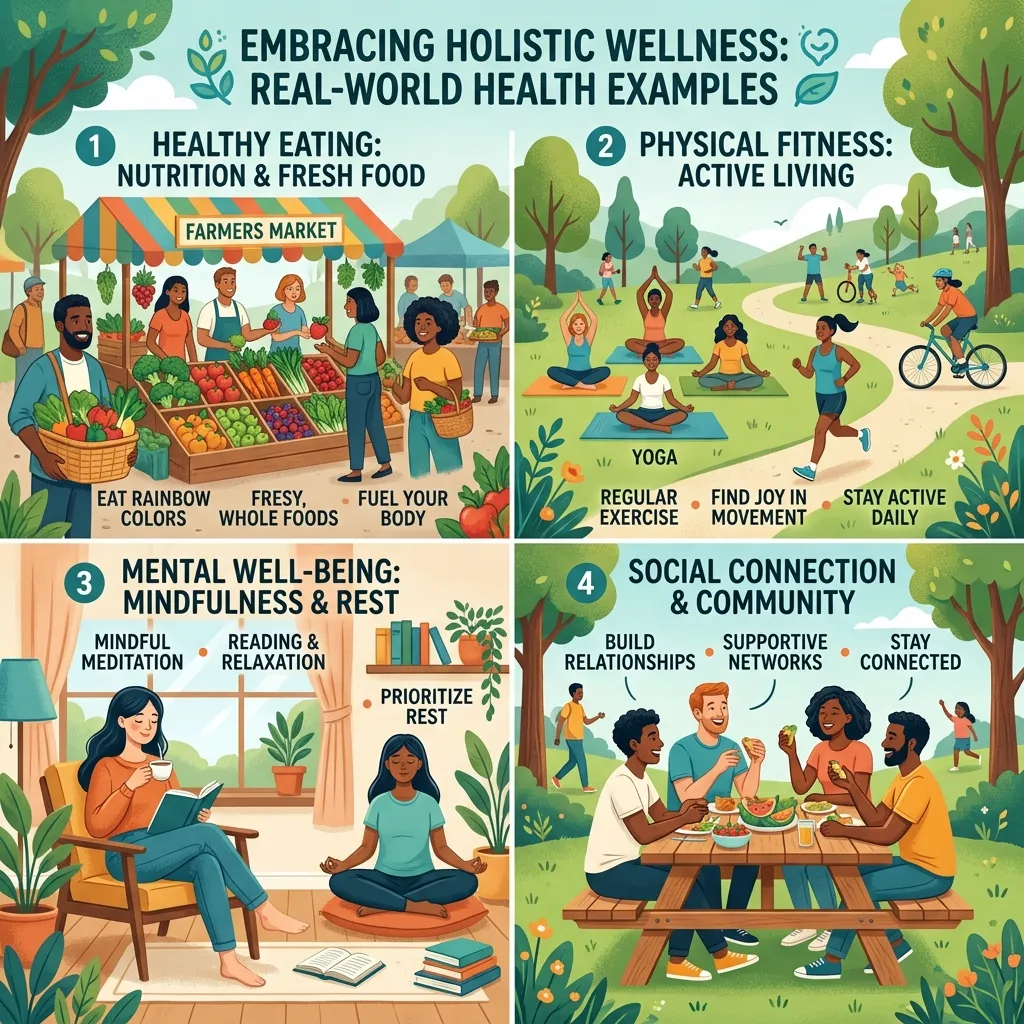
Health and wellness look different for everyone. Here are a few examples of what practicing wellness might look like in real life:
- A busy parent who takes a 15-minute walk after dinner to unwind and stay active.
- An office worker who sets a reminder to stretch and refill their water bottle every hour.
- A student who practices five minutes of meditation before exams to manage stress.
- A retiree who joins a community gardening group to stay socially connected and physically active.
- A professional who blocks off time each weekend to disconnect from work and recharge.
None of these require expensive equipment or major sacrifices. They simply reflect intentional choices woven into everyday life.
Taking the First Step Toward Better Health and Wellness
Health and wellness aren’t about chasing perfection or following the latest trend. They’re about understanding your body and mind, making thoughtful choices, and building habits that support a fulfilling life over the long haul.
Start small. Choose one area from the eight dimensions of wellness that could use attention, set a realistic goal, and take a single step this week. Maybe that’s a daily walk, an earlier bedtime, or a quick check-in with a friend. Over time, those small actions compound into lasting change.
Your well-being is worth the investment—and the best time to begin is now.
Frequently Asked Questions
What is the difference between health and wellness?
Health refers to your overall physical, mental, and social condition—often described as a state of being. Wellness is the active, ongoing process of making choices and building habits that lead to better health and a more fulfilling life. In short, health is the outcome, and wellness is the practice.
What are the eight dimensions of wellness?
According to SAMHSA, the eight dimensions of wellness are physical, emotional, social, intellectual, spiritual, occupational, financial, and environmental. Each one contributes to your overall well-being, and balancing them helps you feel your best.
How much exercise do I need to stay healthy?
The CDC recommends that adults get at least 150 minutes of moderate-intensity aerobic activity each week, along with muscle-strengthening activities on two or more days. Even short bursts of movement throughout the day count toward this total.
Can mental and physical health affect each other?
Yes. Mental and physical health are closely linked. Regular exercise can boost your mood by releasing endorphins, while chronic stress and poor mental health can lead to physical symptoms like fatigue, headaches, and a weakened immune system. Caring for one supports the other.
How do I start improving my wellness if I feel overwhelmed?
Start small. Pick just one habit—such as drinking more water, walking for 15 minutes a day, or going to bed earlier—and focus on that until it becomes routine. Small, consistent changes are more sustainable than trying to overhaul everything at once.
What is health and wellness?
Health and wellness describe both your overall well-being and the active choices you make to maintain and improve it, including physical, mental, and social health.
What is the difference between health and wellness?
Health is a state of being, while wellness is the ongoing process of making lifestyle choices that improve and maintain that health.
Why is health and wellness important?
It helps improve quality of life, increases energy, reduces disease risk, and supports better mental and emotional well-being.
What are the main components of wellness?
The main components include physical, mental, emotional, social, intellectual, spiritual, occupational, financial, and environmental wellness.
How can I improve my health and wellness daily?
You can improve it through regular exercise, balanced nutrition, good sleep, stress management, and maintaining strong relationships.
What are examples of healthy lifestyle habits?
Examples include daily exercise, drinking enough water, eating whole foods, getting enough sleep, and practicing mindfulness.
What are the benefits of good health and wellness?
Benefits include better energy levels, improved mood, stronger immunity, reduced stress, and longer life expectancy.
How does mental health affect overall wellness?
Mental health influences how you think, feel, and handle stress, and it directly impacts physical health and daily functioning.
Can small changes improve wellness?
Yes, small consistent habits like walking daily or improving sleep can significantly improve overall wellness over time.
How do I start a wellness routine?
Start by choosing one simple habit, such as exercising regularly or eating healthier, and gradually build from there.
