


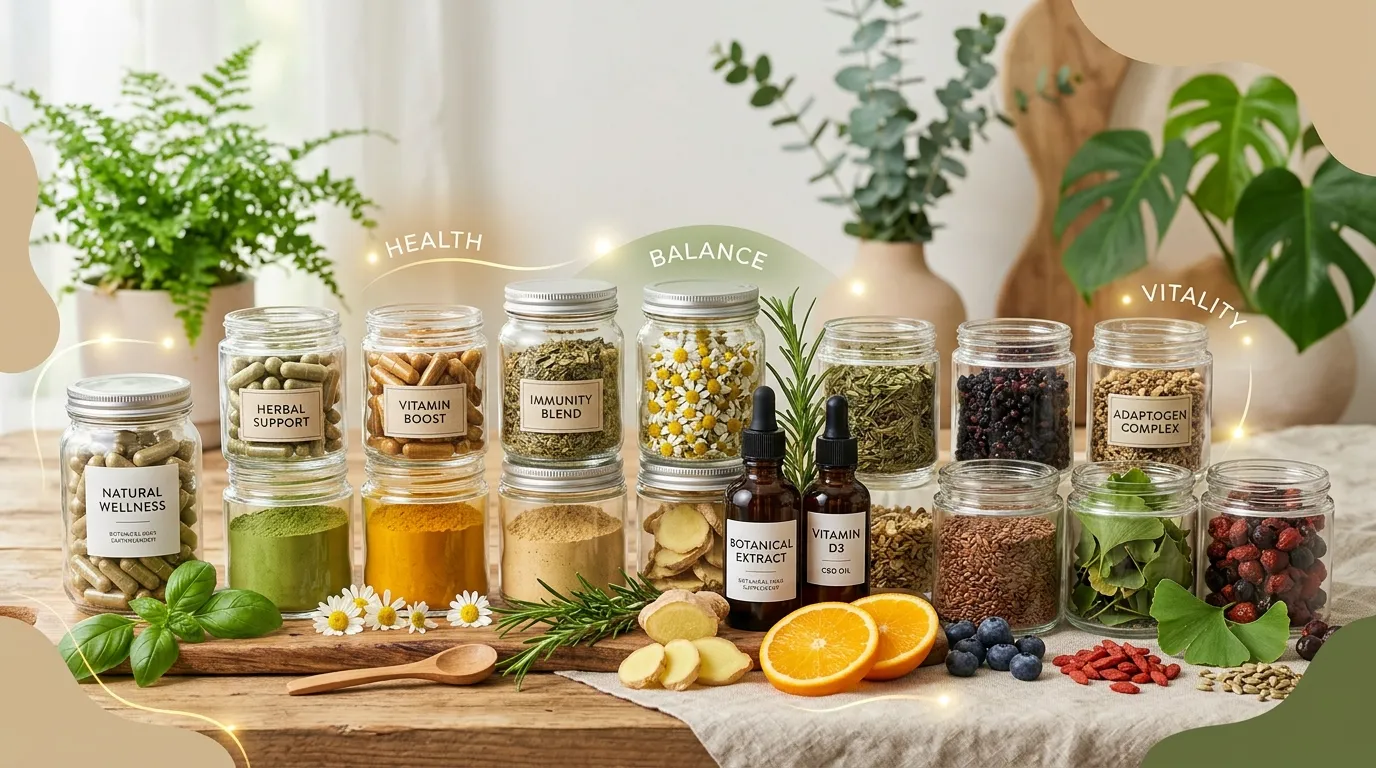
Natural wellness supplements are plant-based, herbal, and whole-food products that help support overall health, immunity, energy, and daily nutrition. Choosing high-quality, third-party-tested supplements and matching them to your specific wellness goals can help fill nutritional gaps and complement a healthy lifestyle built on good nutrition, exercise, and sleep.
Natural wellness supplements are plant-based, herbal, or whole-food products designed to fill nutritional gaps and support overall health. The best ones for you depend on your goals—immune support, energy, sleep, or general daily nutrition. Always check for third-party testing and talk to a doctor before starting anything new.
Walk into any pharmacy and you’ll face shelves packed with bottles promising better energy, stronger immunity, and glowing skin. It’s a lot to sort through. The global supplement market is booming, and natural wellness products are leading the charge as more people look for gentle, plant-based ways to support their health.
But not all supplements are created equal. Some are backed by solid research, while others ride on clever marketing. This guide breaks down what natural wellness supplements actually are, the main categories worth knowing, and how to choose products that suit your needs. By the end, you’ll feel confident navigating that overwhelming aisle—or your favorite online store.
Let’s dig in.
What are natural wellness supplements?
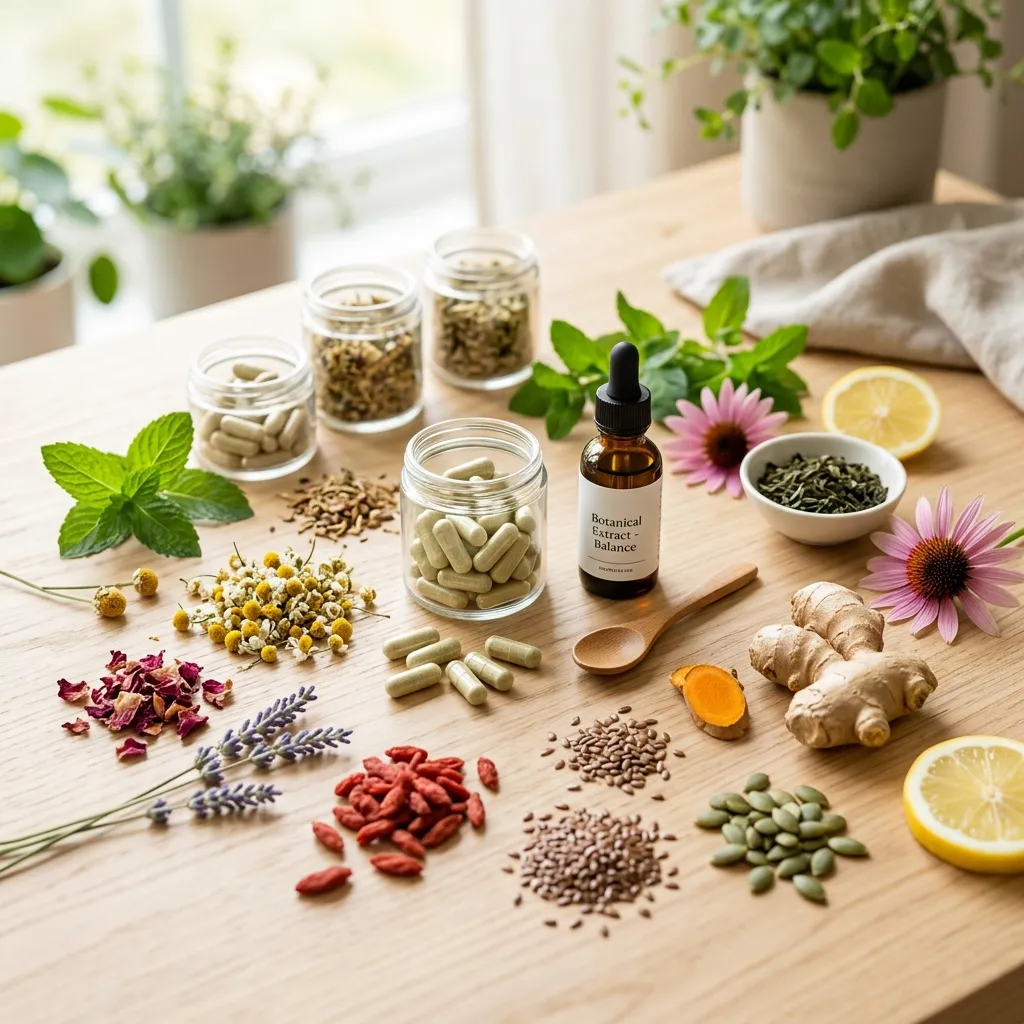
Natural wellness supplements are products made from plant, herbal, or whole-food sources that help support your overall health. Unlike synthetic options, they tend to be derived from ingredients you’d recognize—think turmeric, elderberry, or fish oil—rather than lab-engineered compounds.
The term “natural” covers a wide range of products. Some are single-ingredient extracts, like ashwagandha capsules. Others are blends designed to tackle a specific goal, such as immune defense or better sleep. What ties them together is a focus on supporting your body’s existing functions rather than replacing them.
It’s worth being clear about one thing: supplements are meant to supplement a healthy diet, not replace it. No pill can substitute for balanced meals, regular movement, and good sleep. Used wisely, though, they can help fill gaps that food alone sometimes misses.
Why are holistic wellness products so popular right now?
The shift toward holistic wellness products reflects a bigger change in how people think about health. Instead of treating symptoms in isolation, many now prefer a whole-body approach—caring for physical, mental, and even emotional health together.
A few factors drive this trend:
- A preference for prevention. People increasingly want to stay well rather than wait until they’re sick.
- Distrust of overly processed products. Plant-based and organic options feel more transparent to many shoppers.
- Better information. Easy access to research and reviews helps people make informed choices.
This doesn’t mean natural automatically equals safe or effective. But the demand for cleaner, plant-forward products has pushed the industry to improve quality and transparency—good news for anyone shopping carefully.
The main types of dietary supplements for overall health
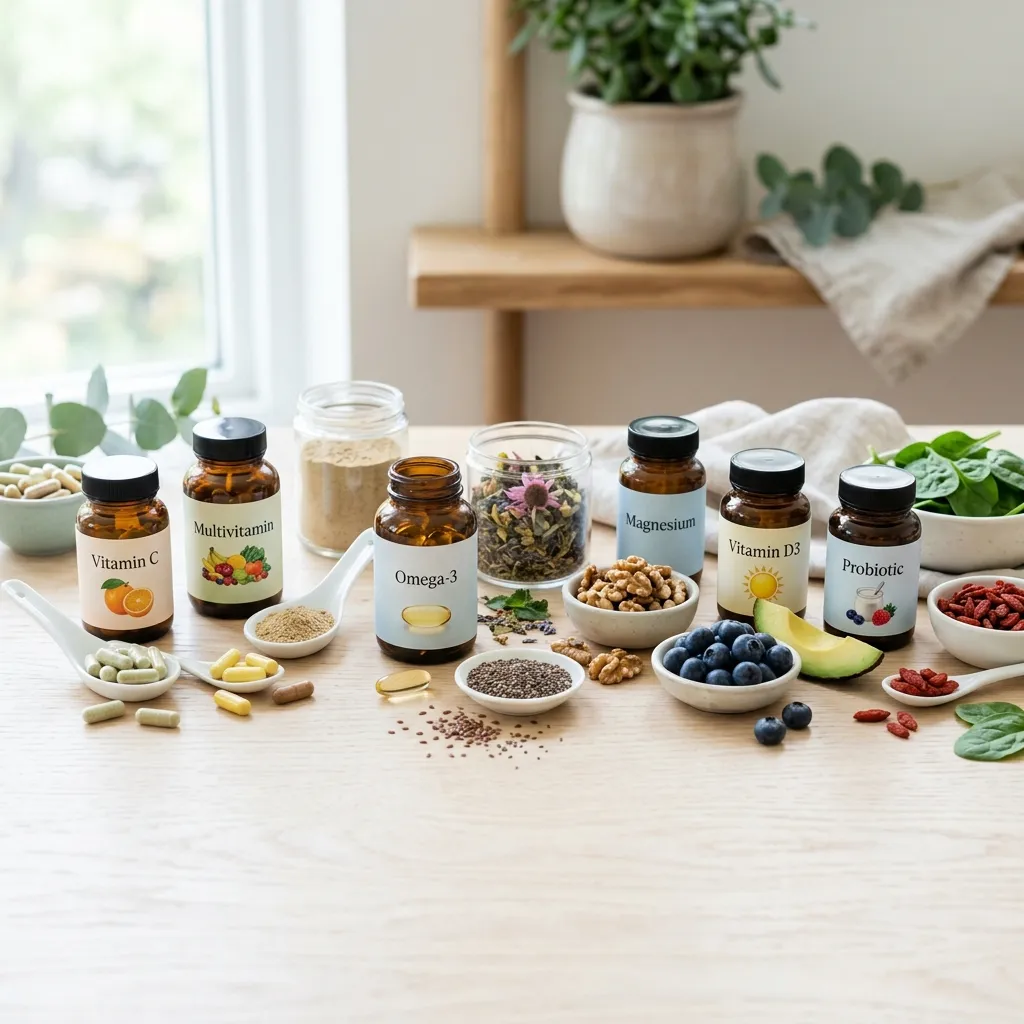
The supplement world can feel endless, so it helps to group products into clear categories. Here are the main types of dietary supplements for overall health you’ll come across.
Herbal wellness supplements
Herbal wellness supplements use plant extracts that have been part of traditional medicine for centuries. Popular examples include:
- Turmeric (curcumin): Often used to support a healthy inflammatory response.
- Ashwagandha: An adaptogen linked to stress relief and balanced energy.
- Ginseng: Traditionally used to support stamina and focus.
- Elderberry: Frequently taken during cold and flu season for immune support.
Herbal products vary widely in potency and quality. Look for standardized extracts, which guarantee a consistent amount of the active ingredient in each dose.
Plant-based nutritional supplements
Plant-based nutritional supplements deliver nutrients sourced entirely from plants. These appeal to vegans, vegetarians, and anyone trying to reduce animal products. Common options include:
- Algae-based omega-3s: A vegan alternative to fish oil for heart and brain health.
- Pea or rice protein powders: Plant-derived protein for muscle support and recovery.
- Spirulina and chlorella: Nutrient-dense algae packed with vitamins and antioxidants.
If you follow a plant-based diet, these supplements can help cover nutrients that are harder to get from food alone, such as vitamin B12 and omega-3 fatty acids.
Vitamins and minerals for wellness
Vitamins and minerals for wellness form the backbone of most supplement routines. They support everything from bone strength to energy production. Some of the most common include:
- Vitamin D: Important for bone health and immune function, especially in regions with limited sunlight.
- Magnesium: Supports muscle function, sleep, and stress management.
- Vitamin C: A well-known antioxidant that aids immune health.
- Iron: Crucial for energy and oxygen transport, particularly for those prone to deficiency.
Before loading up on individual vitamins, it’s smart to get a blood test. That way you address actual gaps rather than guessing—and you avoid taking more than your body needs.
Natural immune support supplements
Natural immune support supplements have surged in popularity, and for good reason. Many people want extra defense during seasonal changes. Top picks in this category include:
- Zinc: Linked to shorter cold duration when taken early.
- Elderberry: Rich in antioxidants that may support immune response.
- Vitamin C and D: Both play roles in keeping the immune system working well.
- Probiotics: Support gut health, which is closely tied to immunity.
No supplement will make you immune to illness. But maintaining good levels of key nutrients gives your body the tools it needs to function properly.
How to choose organic health supplements

When shopping for organic health supplements, the “organic” label means the ingredients were grown without synthetic pesticides or fertilizers. For many shoppers, that’s a meaningful step toward cleaner products. Still, organic alone doesn’t guarantee quality or effectiveness.
Here’s what to look for when comparing products:
- Third-party testing. Independent certification (from groups like NSF or USP) confirms the product contains what the label claims—and nothing harmful.
- Transparent ingredient lists. Avoid products that hide doses behind “proprietary blends.”
- Minimal fillers. Fewer artificial additives, binders, and colors usually means a cleaner formula.
- Reputable brands. Companies that publish research and source responsibly tend to be more reliable.
Choose third-party tested products if purity and accurate dosing matter most to you—which, honestly, they should for anything you put in your body daily.
Building a daily wellness support routine
Daily wellness support supplements work best as part of a consistent routine rather than a quick fix. The key is matching products to your actual goals instead of taking everything at once.
Start by asking yourself what you want to improve. Better sleep? More energy? Stronger immunity? Then build a simple stack around those goals. A common starter routine might look like this:
- Morning: Vitamin D and a multivitamin with breakfast.
- Midday: Omega-3s for heart and brain support.
- Evening: Magnesium to support relaxation and sleep.
Keep it manageable. Taking five well-chosen supplements consistently beats taking fifteen randomly. Track how you feel over a few weeks, and adjust based on results rather than hype.
Are natural wellness supplements safe?
For most healthy adults, quality nutritional wellness supplements are safe when taken as directed. That said, “natural” doesn’t always mean risk-free. Some herbs can interact with medications, and high doses of certain vitamins can cause problems.
A few safety tips:
- Talk to your doctor before starting new supplements, especially if you take prescription medication or are pregnant.
- Stick to recommended doses. More isn’t always better—and can sometimes be harmful.
- Watch for interactions. St. John’s Wort, for example, can interfere with several medications.
- Buy from trusted sources to avoid contaminated or mislabeled products.
When in doubt, a quick conversation with a healthcare provider can save you money and protect your health.
Your next steps toward better wellness
Natural wellness supplements can be a helpful addition to a healthy lifestyle—when you choose them thoughtfully. The smartest approach is to identify your goals, focus on a few high-quality products, and prioritize brands that prove their purity through third-party testing.
Remember that supplements support good habits; they don’t replace them. Pair your routine with nourishing food, regular exercise, and solid sleep for the best results. Start small, stay consistent, and check in with a healthcare professional to make sure your choices fit your needs.
Ready to begin? Pick one goal, research one or two reputable products, and build from there.
Frequently asked questions
What’s the difference between natural and synthetic supplements?
Natural supplements come from whole-food, plant, or herbal sources, while synthetic supplements are made in a lab. Some research suggests certain nutrients are absorbed better in their natural form, but synthetic versions can still be effective and often cost less. The best choice depends on your budget and personal preference.
How long do natural wellness supplements take to work?
It varies by product and goal. Some, like magnesium for sleep, may show effects within days. Others, such as herbal adaptogens, can take several weeks of consistent use. Give a new supplement at least four to six weeks before judging whether it works for you.
Can I take multiple supplements at once?
Yes, but be strategic. Some nutrients work well together—vitamin D and magnesium, for example—while others can compete for absorption, like calcium and iron. To avoid interactions and get the most benefit, space certain supplements throughout the day and check with a healthcare provider about your specific combination.
Are organic health supplements worth the higher price?
Organic supplements are grown without synthetic pesticides, which appeals to shoppers focused on clean ingredients. They often cost more, though. If purity is a top priority for you, organic and third-party tested products are worth it. If budget is tight, focus on third-party testing first, since that verifies quality regardless of organic status.
Do I really need supplements if I eat a balanced diet?
Not always. A varied, nutrient-rich diet covers most people’s needs. But certain groups—such as vegans, older adults, or those with specific deficiencies—may benefit from targeted supplements. A blood test can reveal whether you have gaps worth addressing rather than guessing.
What are natural wellness supplements?
Natural wellness supplements are products made from herbs, plants, vitamins, minerals, and whole-food ingredients that help support overall health and well-being.
Are natural wellness supplements effective?
Many natural wellness supplements can be effective when supported by research and used consistently. Results depend on the ingredient, dosage, and individual health needs.
What are the best natural wellness supplements for beginners?
Popular options for beginners include a multivitamin, vitamin D, magnesium, omega-3 fatty acids, and probiotics for general health support.
Can natural wellness supplements improve immune health?
Yes. Natural immune support supplements such as vitamin C, vitamin D, zinc, elderberry, and probiotics may help support normal immune system function.
How do I choose quality natural wellness supplements?
Look for third-party testing, transparent ingredient labels, appropriate dosages, and reputable brands with strong quality-control standards.
Are plant-based nutritional supplements good for vegans?
Yes. Plant-based nutritional supplements like algae omega-3s, pea protein, and vegan vitamin D3 can help vegans meet important nutrient needs.
Can I take natural wellness supplements every day?
Most natural wellness supplements can be taken daily when used according to label directions, but it’s always best to consult a healthcare professional.
What are the most popular herbal wellness supplements?
Common herbal wellness supplements include ashwagandha, turmeric, elderberry, ginger, echinacea, and ginseng.
Do natural wellness supplements have side effects?
Some supplements may cause side effects or interact with medications. Following recommended doses and consulting a healthcare provider can help reduce risks.
Can natural wellness supplements replace healthy eating?
No. Natural wellness supplements are designed to complement a balanced diet and healthy lifestyle, not replace nutritious foods and healthy habits.
