


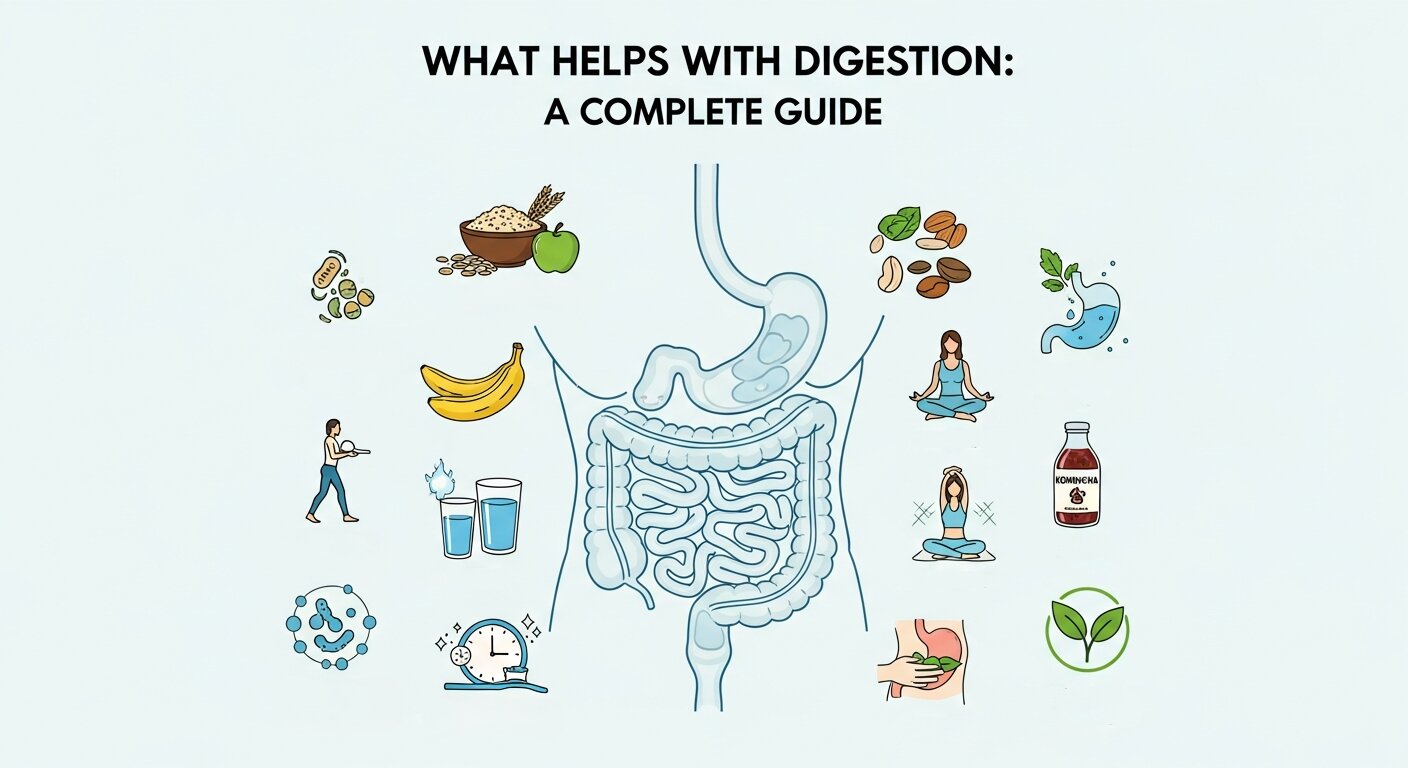
A healthy digestive system is the foundation of overall well-being. When your stomach feels off, it can disrupt your mood, drain your energy, and make ordinary daily tasks feel exhausting. Many people struggle with occasional bloating, gas, or discomfort, leaving them searching for reliable ways to find relief.
Understanding exactly what helps with digestion can completely transform your daily routine. Your gut breaks down the food you eat, absorbing vital nutrients and flushing out waste. If this complex process slows down or encounters roadblocks, your body simply cannot function at its best.
Fortunately, you have plenty of control over your gut health. By making minor adjustments to your daily habits and diet, you can encourage your body to process food more efficiently. Small shifts often yield the most significant results when it comes to long-term digestive comfort.
This guide covers practical, everyday habits to support your stomach. We will explore natural ways to improve digestion, the best foods to add to your plate, and practical remedies for slow digestion so you can feel lighter, healthier, and more energized.
Signs of Poor Digestion and Solutions
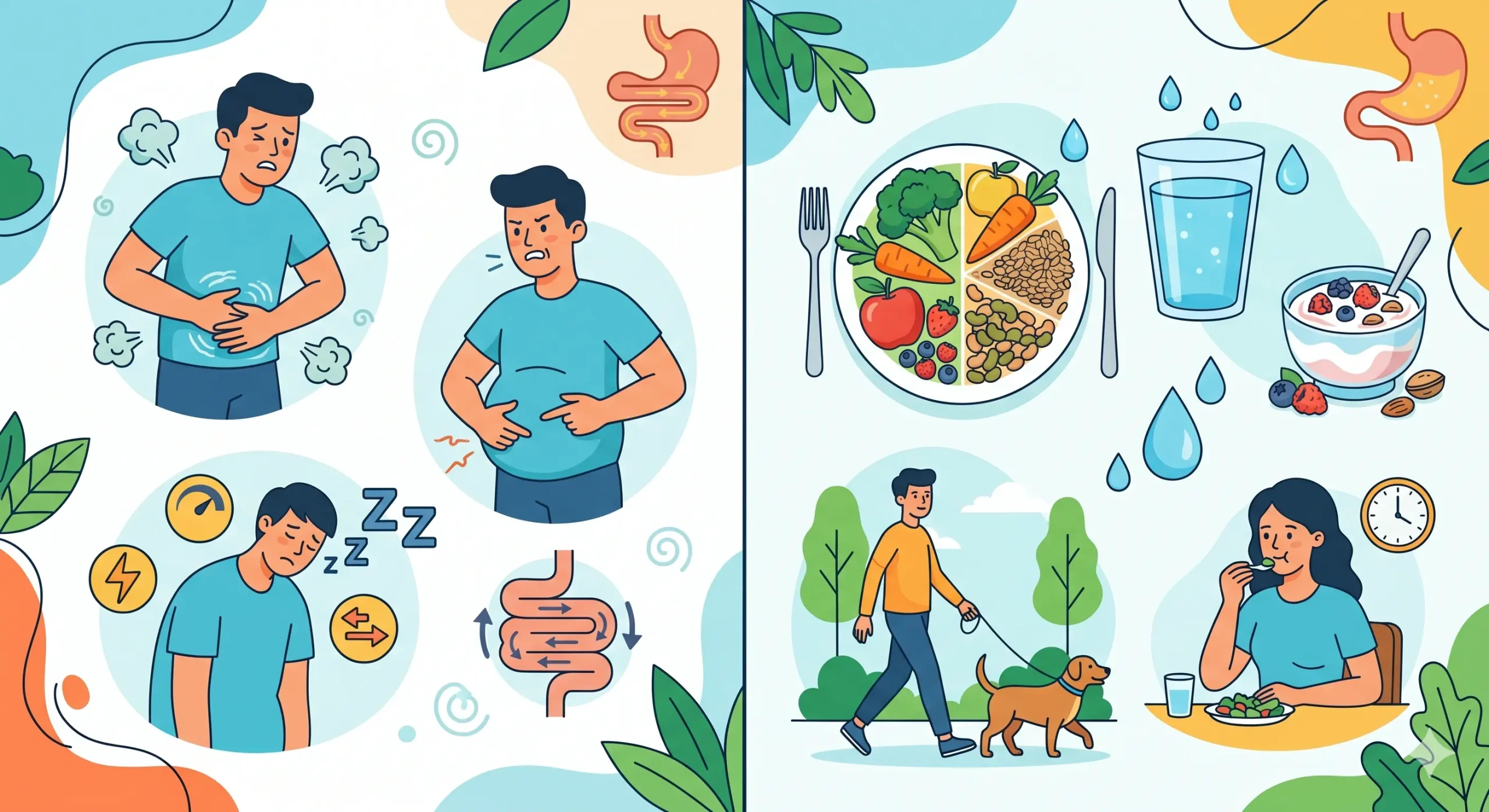
Your body constantly sends signals about its internal state. Recognizing the signs of poor digestion early can help you take corrective action before minor discomfort turns into chronic pain.
Common indicators include frequent bloating, excessive gas, heartburn, and irregular bowel movements. You might also experience unexpected fatigue after meals or notice skin breakouts, which can sometimes be linked to poor nutrient absorption and gut inflammation.
The solutions often start with observation. Keep a food journal to track what you eat and how you feel afterward. This simple habit helps pinpoint specific trigger foods. Once you identify the culprits, you can begin swapping them out for gut-friendly foods and diet tips that support a smoother digestive process.
Natural Ways to Improve Digestion
You don’t always need a complete lifestyle change to improve gut health. Many simple and effective natural ways to improve digestion can be added to your daily routine with minimal effort. These small habits can make a noticeable difference in how your stomach feels and how efficiently your body processes food.
Hydrate Consistently
Water plays a key role in breaking down food and helping your body absorb nutrients properly. When you are dehydrated, digestion slows down, often leading to issues like bloating and constipation. One of the easiest natural ways to improve digestion is to start your day with a glass of warm water and continue sipping water throughout the day instead of drinking large amounts at once. This helps keep your digestive system active and supports smoother bowel movements.
Move Your Body
Regular physical activity is another powerful habit that supports gut health. Movement increases blood circulation to your digestive organs, helping food travel more efficiently through your system. A light 10–15 minute walk after meals can stimulate digestion, reduce bloating, and prevent discomfort like heartburn. Including simple movement in your routine is one of the most effective natural ways to improve digestion without needing intense workouts.
Manage Your Stress Levels
Foods That Help Digestion Naturally
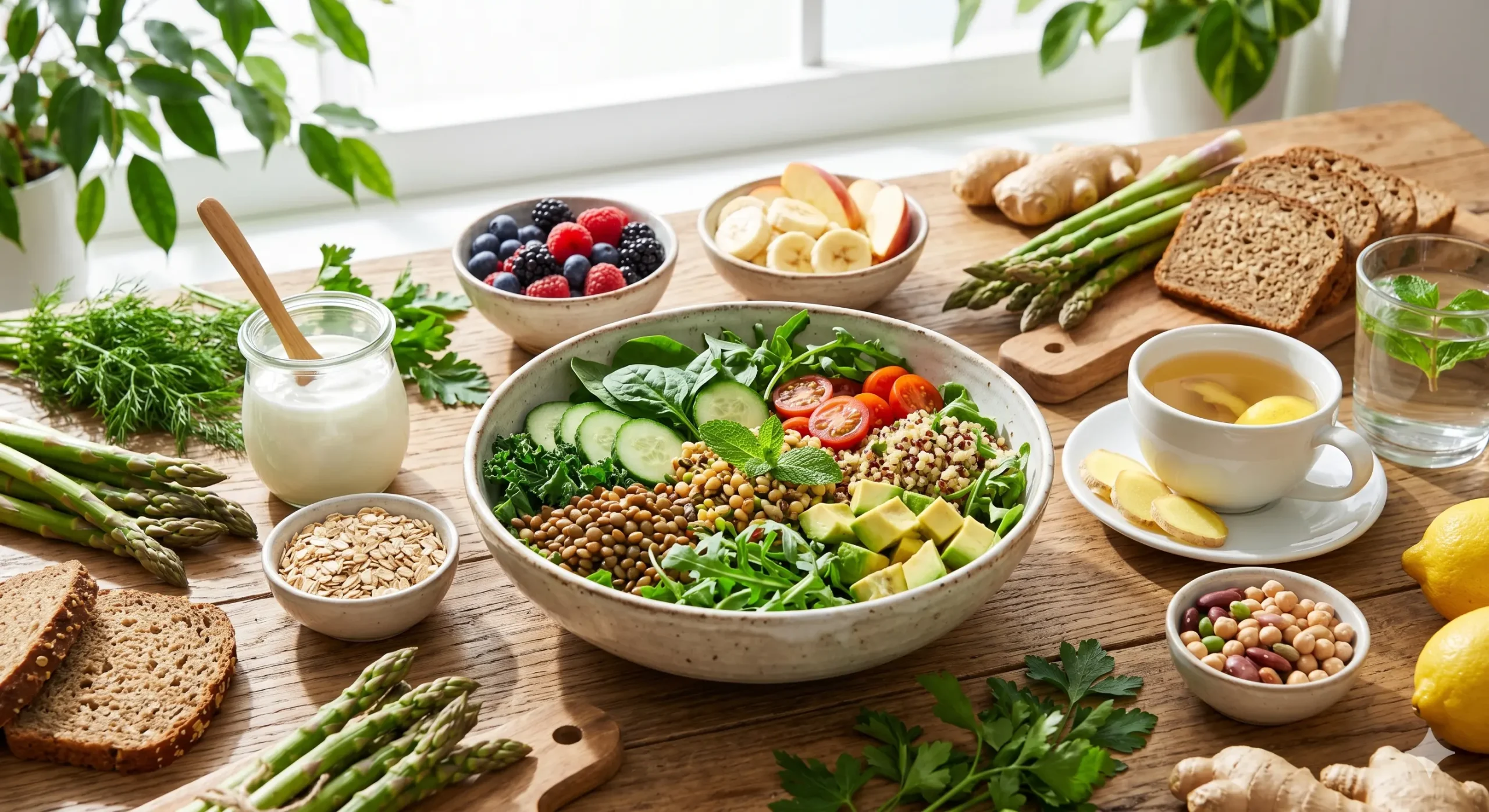
Your daily diet has the biggest impact on your gut health and overall comfort. Choosing the right foods is one of the most effective answers to what helps with digestion, as it directly influences how smoothly your stomach processes food, absorbs nutrients, and eliminates waste. By focusing on whole, nutrient-dense options, you can reduce bloating, support gut balance, and improve long-term digestive health.
Fiber-Rich Fruits and Vegetables
Fiber is essential when it comes to what helps with digestion naturally, as it keeps food moving through your digestive tract and supports regular bowel movements. Fruits like apples, raspberries, pears, and bananas provide both soluble and insoluble fiber, which work together to improve digestion. Vegetables such as spinach, kale, broccoli, and carrots also play a key role by adding bulk to stool and supporting a healthy gut environment. Including a variety of these foods daily helps prevent constipation and keeps your digestive system running smoothly.
Fermented Foods
Fermented foods are one of the most powerful answers to what helps with digestion naturally because they are rich in probiotics—beneficial bacteria that support your gut microbiome. Foods like yogurt, kefir, kimchi, sauerkraut, and kombucha help restore balance in the digestive system and improve nutrient absorption. Even small daily servings can make a noticeable difference by reducing bloating, improving gut health, and supporting smoother digestion over time.
Lean Proteins and Whole Grains
Frequently Asked Questions
When learning what helps with digestion, many people have specific questions about daily habits and quick fixes. Here are 15 common questions and answers to guide your journey.
What helps with digestion immediately after a large meal?
Taking a gentle 10-to-15-minute walk is one of the best things you can do right after a heavy meal. Gravity and physical movement help push the food through your digestive tract. You can also try drinking a warm cup of peppermint or ginger tea to soothe the stomach muscles.
Does drinking water really help with digestion?
Yes, water is absolutely critical. It helps break down the food you eat so your body can absorb the nutrients. Water also softens stool, which prevents constipation. Drinking water throughout the day keeps your entire system running smoothly.
Which teas are best for soothing an upset stomach?
Peppermint, ginger, and chamomile teas are widely recommended for digestive issues. Ginger speeds up stomach emptying, peppermint relaxes the muscles of the gastrointestinal tract, and chamomile reduces inflammation and calms the nervous system.
Can exercise improve my digestive health?
Regular physical activity helps keep food moving through your digestive system. Even mild exercises, like yoga or stretching, can relieve gas and bloating by massaging the internal organs and improving blood circulation to the gut.
Are probiotics essential for good digestion?
While your body naturally has bacteria, taking probiotics or eating probiotic-rich foods helps maintain a healthy balance. They are especially useful after taking antibiotics, which can wipe out both good and bad bacteria in your stomach.
Does chewing gum help or hurt digestion?
Chewing gum can stimulate saliva production, which neutralizes stomach acid and might help with mild acid reflux. However, chewing gum also causes you to swallow air, which can lead to bloating and gas in some people.
How does stress affect the digestive system?
Stress diverts blood flow away from the stomach and toward the muscles, slowing down the digestive process. Chronic stress can lead to inflammation, ulcers, and conditions like Irritable Bowel Syndrome (IBS).
What fruits are easiest to digest?
Bananas, melons, and applesauce are very gentle on the stomach. Bananas contain potassium and easily digestible carbohydrates, making them a great choice if you are recovering from a stomach upset.
Is yogurt good for an upset stomach?
Plain, unsweetened yogurt containing active cultures can be excellent for an upset stomach. The probiotics help restore the natural balance of bacteria in your gut. Avoid heavily sweetened or artificially flavored yogurts, as sugar can worsen inflammation.
How does sleep impact gut health?
Lack of sleep increases stress hormones, which negatively impacts your gut microbiome. Getting seven to eight hours of quality sleep allows your digestive organs to rest, repair, and prepare for the next day.
Are digestive enzymes worth taking?
Digestive enzymes can be very helpful for people whose bodies do not produce enough naturally, such as those with lactose intolerance. However, most people with healthy diets do not need enzyme supplements unless recommended by a doctor.
Can fasting improve digestion?
Intermittent fasting gives your digestive system a break, allowing it time to repair the gut lining and clear out lingering waste. For some people, a 12-to-16-hour fasting window can significantly reduce bloating and improve energy.
What vegetables should I avoid for better digestion?
If you are prone to gas, you might want to limit cruciferous vegetables like cabbage, cauliflower, and Brussels sprouts. While healthy, they contain complex sugars that are difficult for the body to break down quickly.
Does apple cider vinegar help with bloating?
Many people find that taking a teaspoon of apple cider vinegar diluted in a glass of water before meals helps increase stomach acid, which can improve the breakdown of proteins and reduce bloating.
How long does it normally take to digest food?
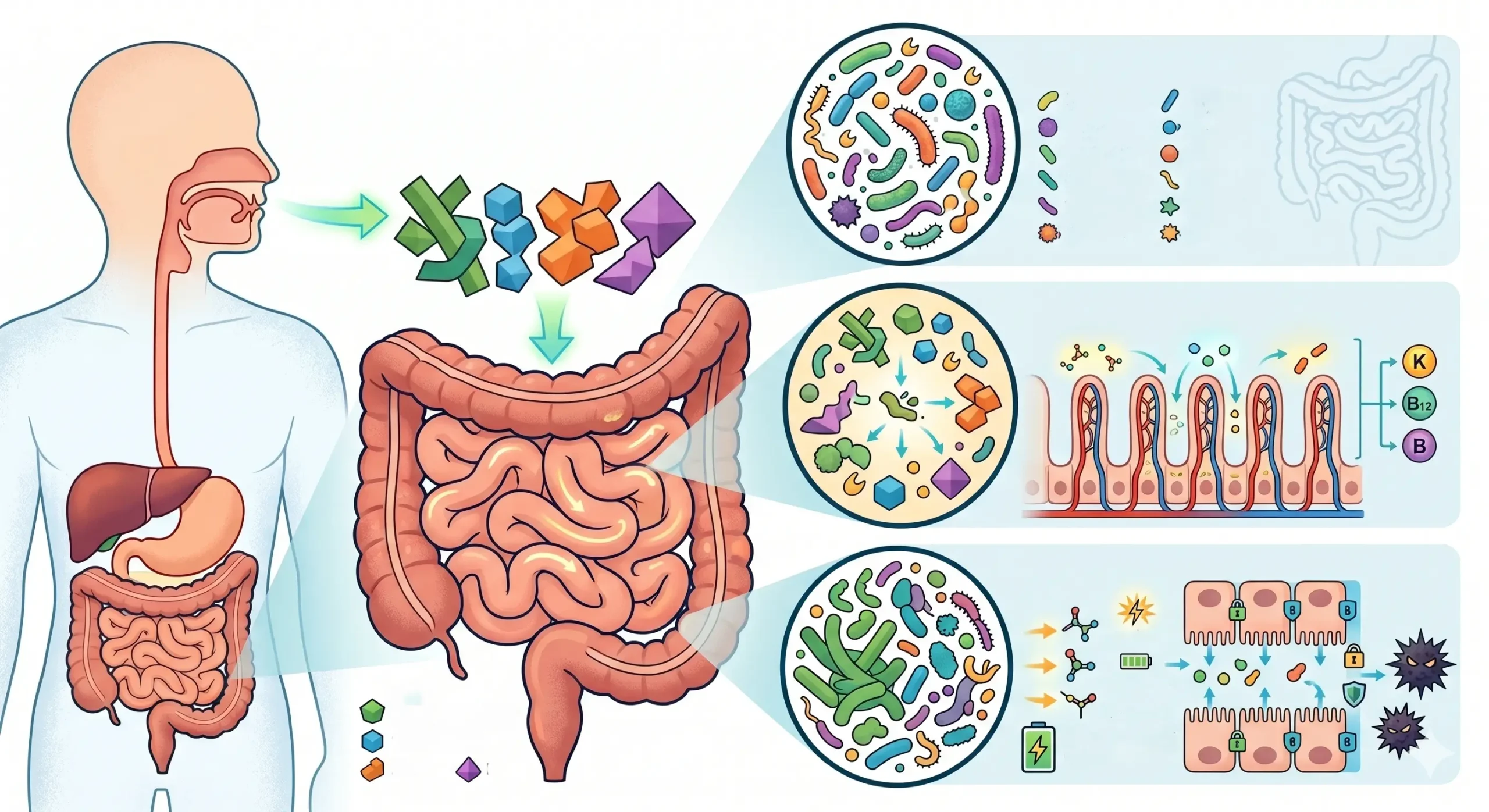
The entire process from eating to elimination can take anywhere from 24 to 72 hours. Food usually spends about six to eight hours in the stomach and small intestine before moving into the large intestine.
Take Charge of Your Gut Health Today
Improving your digestion is not about quick fixes, but about building consistent habits that support your body over time. Learning what helps with digestion starts with understanding your daily choices and how they affect your gut health. You don’t need expensive supplements or restrictive diets to see real improvement. Simple actions like staying well-hydrated, eating more fiber-rich foods, managing stress levels, and taking gentle walks after meals can significantly improve how your digestive system functions and how you feel overall.
When you focus on these basics, your body gets the support it needs to break down food more efficiently, absorb nutrients properly, and reduce common issues like bloating or discomfort. These small but consistent steps are often the most effective answer to what helps with digestion in everyday life.
Start small by choosing just one or two habits to add this week. For example, replace a daily sugary drink or coffee with soothing ginger tea, or add a fermented food like yogurt to your meals. Over time, these simple changes build strong digestive habits, helping you maintain a healthier gut, better energy levels, and long-term comfort throughout your day.
