


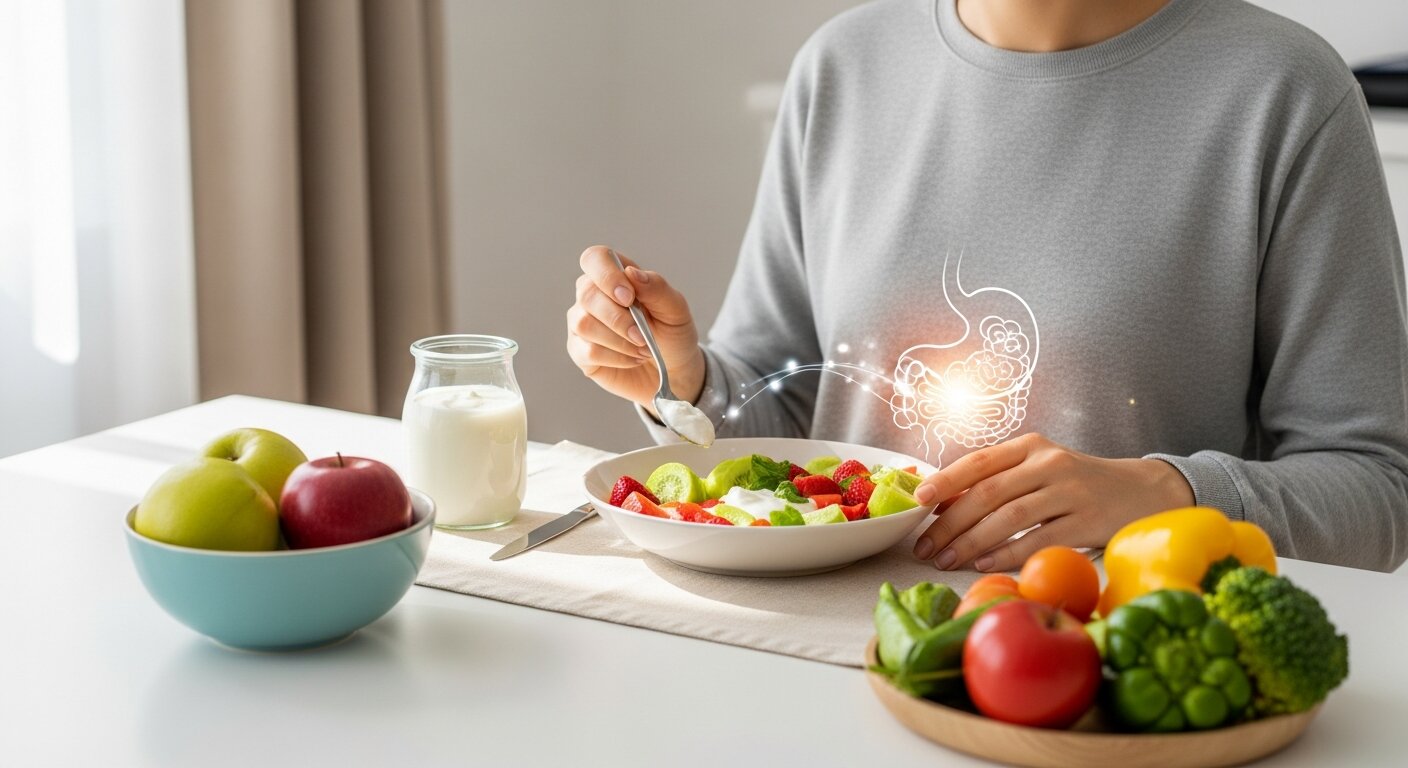
Digestion is a complex process that dictates how well your body absorbs nutrients, manages energy levels, and maintains overall health. When you eat, your body relies on tiny proteins called digestive enzymes to break down food into usable nutrients. Without a sufficient supply of these enzymes, even the healthiest diet can leave you feeling sluggish, bloated, and uncomfortable.
Unfortunately, poor dietary choices, chronic stress, and the natural aging process can deplete your enzyme levels. This leads to a cascade of uncomfortable symptoms, from occasional indigestion to chronic gastrointestinal distress. The good news is that you do not always need to rely on synthetic supplements to fix the problem.
Learning how to improve digestive enzymes naturally can transform your relationship with food. By making targeted changes to your diet and daily routines, you can encourage your body to produce the enzymes it needs to function optimally. Read on to discover the most effective ways to balance your gut and enhance your digestion from the inside out.
Natural Ways to Boost Digestive Enzymes
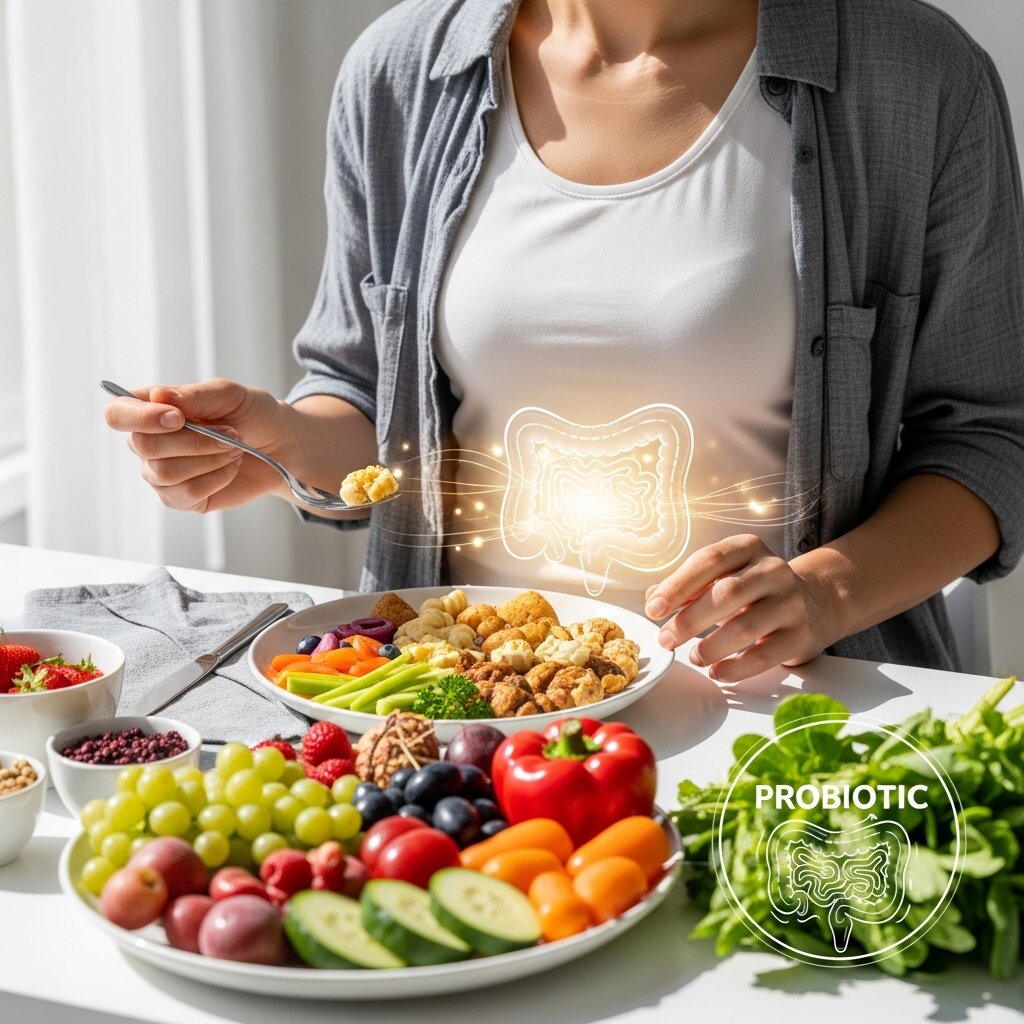
Your body is naturally equipped to produce digestive enzymes in organs like the pancreas, stomach, and salivary glands. However, modern lifestyle factors such as poor eating habits, stress, and irregular routines can slow down this process. Fortunately, there are simple and natural methods to help your body improve digestive enzymes production and support smoother digestion.
Chew Your Food Thoroughly
Digestion actually starts in your mouth, not your stomach. As you chew, saliva releases enzymes like amylase that begin breaking down carbohydrates before food even reaches your gut. Eating too quickly or swallowing large chunks of food forces your digestive system to work harder than necessary, often leading to bloating and discomfort. By chewing slowly and thoroughly—until your food reaches a soft, almost liquid consistency—you give your body a natural head start to improve digestive enzymes efficiency and reduce digestive strain.
Manage Your Stress Levels
Stay Hydrated
Water is essential for producing digestive juices, including stomach acid and enzymes. Drinking adequate amounts of water throughout the day keeps your digestive lining healthy and facilitates the smooth breakdown of food. Just be mindful not to drink massive amounts of water immediately before or during a meal, as this can dilute your stomach acid.
Enzyme-Rich Foods for Better Digestion
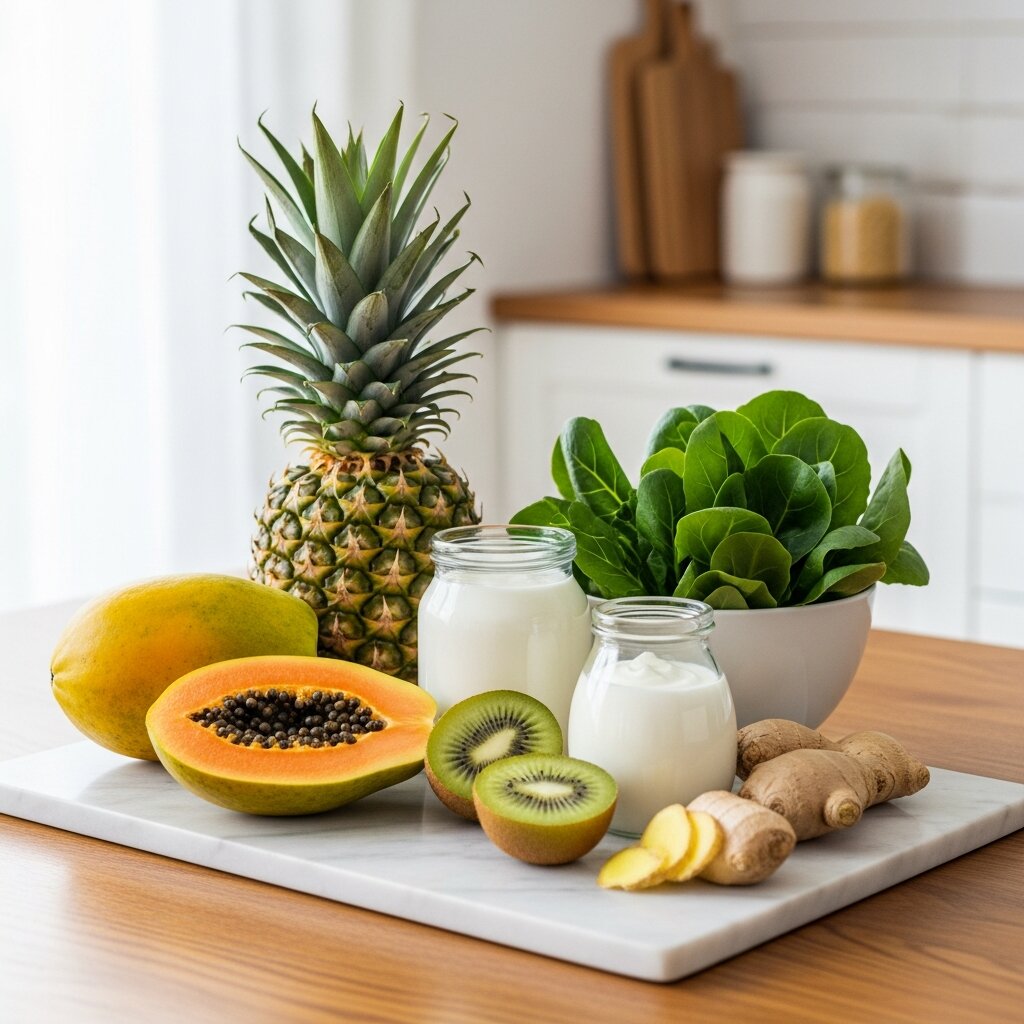
One of the most direct ways to increase your enzyme intake is by eating foods that naturally contain them. Adding foods that increase digestive enzymes production to your daily diet can take a massive burden off your pancreas.
Tropical Fruits
Pineapple and papaya are two of the best natural sources of digestive enzymes. Pineapple contains bromelain, a powerful enzyme that breaks down proteins. Papaya contains papain, another proteolytic enzyme that aids in protein digestion. Eating a small serving of these fruits before a heavy meal can significantly reduce post-meal bloating.
Fermented Foods
Fermented foods are one of the most powerful natural sources of probiotics and digestive enzymes. Items like kefir, sauerkraut, kimchi, yogurt, and miso go through a natural fermentation process where beneficial bacteria break down sugars and starches in the food. This not only makes the food easier for your body to digest but also increases the availability of natural enzymes that support smoother nutrient absorption.
Regularly including fermented foods in your diet can help balance your gut microbiome, improve digestion efficiency, and reduce issues like bloating or discomfort. The healthy bacteria they provide also work alongside your body’s own systems, supporting long-term gut health and overall digestive wellness.
Raw Honey
Raw, unpasteurized honey contains a wide variety of enzymes, including diastase, amylase, invertase, and protease. These enzymes help break down starches, sugars, and proteins. Adding a spoonful of raw honey to your morning oatmeal or tea is a sweet and simple way to boost your digestive power.
Avocados and Bananas
Avocados contain lipase, the enzyme needed to break down fat molecules. Bananas are rich in amylase and glucosidases, which break down complex carbohydrates into easily absorbed sugars. Both fruits are gentle on the stomach and make excellent additions to a gut-friendly diet.
How to Increase Stomach Digestive Enzymes at Home

Sometimes your digestive system needs gentle support to function at its best. If you often experience bloating, heaviness, or slow digestion, there are simple and natural remedies that can help your body increase stomach digestive enzymes production and improve overall gut performance. These small daily habits can make a noticeable difference over time.
Drink Ginger Tea
Ginger is one of the most effective natural remedies for supporting digestion. It has been traditionally used to soothe nausea, reduce inflammation, and stimulate the release of digestive juices and enzymes in the stomach. This helps food break down more efficiently and move smoothly through your digestive tract. Drinking a warm cup of ginger tea before or after meals not only supports comfort but also helps naturally increase stomach digestive enzymes, improving overall digestive balance.
Use Apple Cider Vinegar
Try Bitter Herbs
Bitter herbs and foods play a powerful role in preparing your digestive system for incoming food. When you consume something bitter before a meal, it activates specific receptors on your tongue that send signals to your brain to kickstart the digestive process. This response encourages the release of saliva, stomach acid, bile, and pancreatic enzymes, all of which are essential for breaking down food efficiently.
Including a small serving of bitter greens like arugula, dandelion, or kale in your meals can naturally enhance digestion. You can also use herbal digestive bitters diluted in water before eating to gently stimulate your system. Over time, this simple habit can significantly improve your body’s digestive readiness and help maintain better overall enzyme activity for smoother digestion.
Lifestyle Changes to Improve Digestion Efficiency
Your everyday habits have a powerful influence on how well your digestive system functions. With a few mindful lifestyle adjustments, you can significantly enhance nutrient absorption, reduce bloating and discomfort, and naturally support your body’s ability to Improve Digestive Enzymes production over time. Small consistent changes often lead to the most noticeable long-term improvements in gut health.
Move Your Body Regularly
Prioritize Sleep
Quality sleep is essential for overall health, including digestion. During deep sleep, your body repairs tissues and restores balance in your gut microbiome. Poor sleep can disrupt hormone levels and reduce the production of digestive juices and enzymes. Aim for seven to nine hours of uninterrupted sleep each night to give your body the opportunity to reset and naturally Improve Digestive Enzymes function.
Eat Smaller, More Frequent Meals
Frequently Asked Questions (FAQ)
What are digestive enzymes?
Digestive enzymes are specialized proteins your body makes to break down food into absorbable nutrients, such as amino acids, fatty acids, and simple sugars.
How do I know if my digestive enzyme levels are low?
Common signs include frequent bloating, excess gas, feeling overly full after small meals, undigested food in your stool, and chronic fatigue after eating.
What is the main keyword to focus on for better gut health?
Learning how to improve digestive enzymes naturally is key to resolving many common gastrointestinal issues without relying solely on synthetic supplements.
Can chewing my food really make a difference?
Yes. Chewing mixes food with salivary amylase, which starts the digestion of carbohydrates immediately and reduces the workload on your stomach.
Are there specific foods that increase digestive enzymes production?
While some foods contain enzymes themselves (like pineapple), foods rich in zinc, magnesium, and B vitamins help your body produce its own enzymes more efficiently.
Does cooking destroy enzymes in food?
Yes, exposing foods to high heat (typically above 118°F or 48°C) denatures natural enzymes. Eating a mix of raw and cooked foods is best for enzyme intake.
Is apple cider vinegar safe to drink daily?
When diluted properly in water, apple cider vinegar is generally safe for daily use and helps stimulate stomach acid and enzyme production.
Can stress actually stop digestion?
Yes. Chronic stress activates your sympathetic nervous system, which severely slows down gastrointestinal motility and halts the secretion of digestive enzymes.
Do probiotics help with digestive enzymes?
Probiotics balance your gut microbiome. Certain healthy gut bacteria actually produce enzymes that help break down complex carbohydrates and lactose.
What are proteolytic enzymes?
Proteolytic enzymes, such as bromelain and papain, specifically break down protein molecules into smaller amino acids.
Does drinking water with meals dilute enzymes?
Sipping small amounts of water is fine, but gulping large glasses of cold water during a meal can dilute stomach acid and impair enzyme activation.
How does aging affect digestive enzymes?
As we age, our bodies naturally produce fewer digestive juices, including stomach acid and pancreatic enzymes, making it harder to digest large meals.
Are digestive enzyme supplements safe?
Most over-the-counter enzyme supplements are safe for general use, but it is always best to try natural methods first or consult a healthcare provider.
Can fasting help improve digestion?
Intermittent fasting gives your digestive organs a break, allowing them to rest and regenerate, which can improve enzyme production once you resume eating.
What are digestive bitters?
Digestive bitters are liquid herbal extracts made from bitter plants. Taking them before a meal stimulates the vagus nerve to release digestive juices and enzymes.
Support Your Gut for Long-Term Health
Your digestive system plays a central role in your overall well-being, influencing everything from energy levels to immune function. When you understand how your body processes food, it becomes easier to make choices that support and Improve Digestive Enzymes naturally. You don’t need a complex routine—small, consistent habits can make a big difference over time.
By incorporating enzyme-rich foods like pineapple, papaya, and fermented vegetables into your diet, you give your body extra support to break down nutrients efficiently. Managing stress, staying hydrated, and practicing mindful eating—such as chewing your food thoroughly—also help Improve Digestive Enzymes production and reduce common issues like bloating and indigestion.
Start with simple, manageable changes and build from there. As you continue to Improve Digestive Enzymes through better nutrition and lifestyle habits, you’ll likely notice improved digestion, increased energy, and a stronger sense of overall health.
