


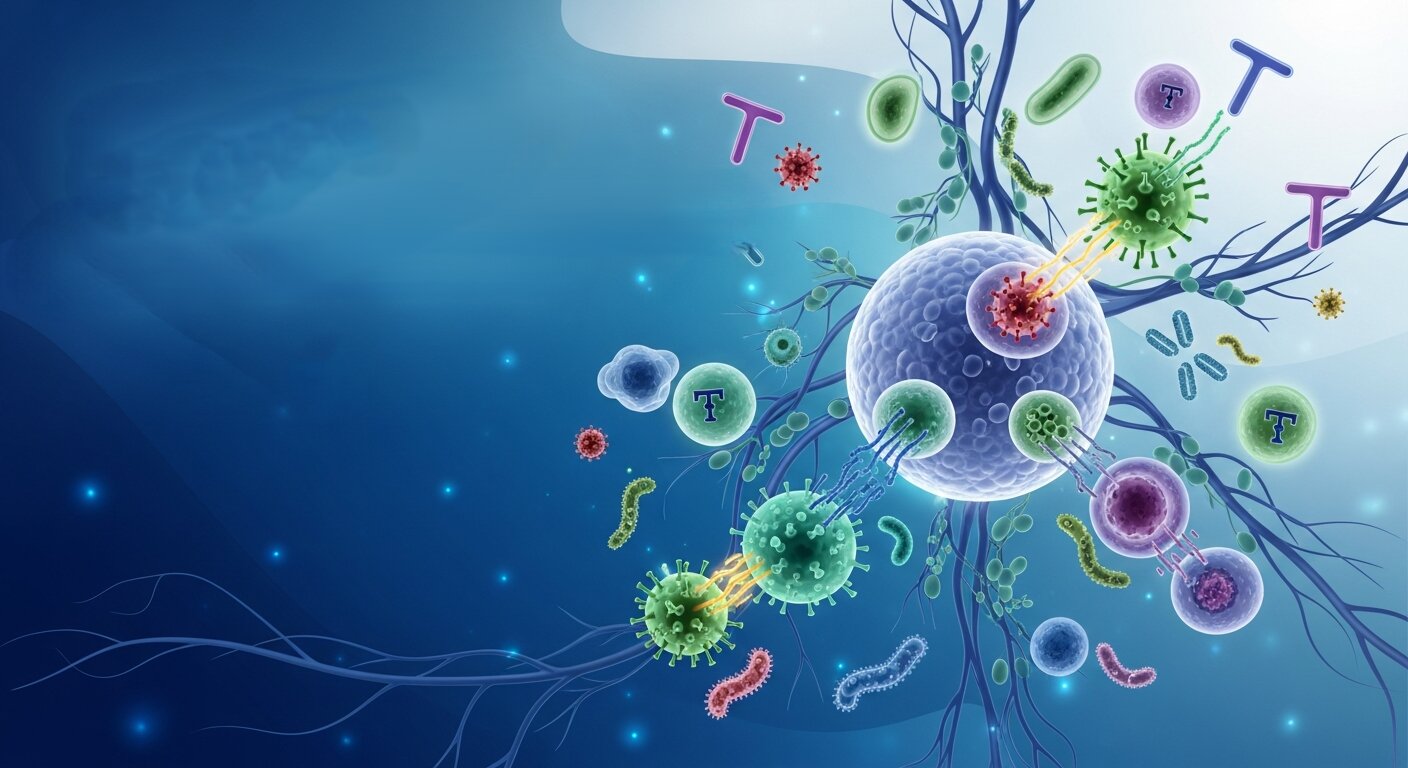
In today’s digital landscape, safeguarding our health calls for more than just occasional checkups. With environmental stressors, rapid urbanization, and constant exposure to pathogens, boosting your immune system naturally has become a critical goal for many. This year (2026), a growing body of research underscores the powerful role of everyday choices—from the foods we eat to the way we manage stress—in shaping immune resilience. By adopting a holistic approach that combines nutrient-rich meals, smart lifestyle habits, and evidence-based supplements, you can build robust defenses and maintain optimal well-being.
Throughout this guide, you’ll discover science-backed strategies to support your body’s intricate defense network. We’ll explore the inner workings of your immune system, highlight essential nutrients, outline lifestyle adjustments, and recommend reliable supplements. Whether you’re looking to reduce the duration of seasonal illnesses or simply elevate your baseline health, these insights will help you craft a personalized plan for long-term success. Let’s dive into the fundamentals of strengthening immunity and learn how to make practical changes for enduring vitality.
Understanding How the Immune System Works
The human immune system is an intricate assembly of cells, tissues, and organs that collaborate to fend off invaders. When you focus on boosting your immune system naturally, it helps to understand its two main lines of defense. First, innate immunity acts as the rapid response team, using physical barriers such as skin and mucous membranes, and initiating general reactions like inflammation. Second, adaptive immunity involves specialized cells—B lymphocytes and T lymphocytes—that recognize, remember, and neutralize specific threats.
Role of Innate Defenses
Innate immunity provides immediate protection by deploying a range of tactics. Physical barriers such as the skin prevent microbes from entering the body, while mucous membranes trap pathogens before they penetrate deeper tissues. When an invader slips past these barriers, innate immune cells release signaling molecules that trigger inflammation. This process recruits additional defenders to the site of infection and raises body temperature, creating an environment less hospitable to microbes.
Adaptive Immunity’s Precision Response
When innate responses are insufficient, adaptive immunity steps in with remarkable specificity. B cells generate antibodies that bind to particular pathogens, marking them for destruction. T cells directly eliminate infected cells and coordinate the immune response by releasing cytokines. After an initial encounter, adaptive immunity retains a memory of the pathogen, allowing for a faster and stronger response upon re-exposure—a principle that underlies vaccination strategies.
Understanding these systems underscores why a balanced approach—incorporating nutrition, lifestyle, and targeted support—is essential for boosting your immune system naturally. By nourishing each arm of defense, you promote more effective collaboration between innate and adaptive responses.
Nutrition Strategies for Supporting Immunity

Optimal nutrition forms the cornerstone of sustained immune health. Whole foods rich in vitamins, minerals, and antioxidants provide the raw materials your body needs to produce antibodies, maintain protective barriers, and regulate inflammation. When you prioritize nutrient-dense meals in your plan for boosting your immune system naturally, you’ll notice improvements in energy levels, recovery times, and overall resilience.
Colorful fruits and vegetables are particularly valuable for their high concentrations of vitamin C, beta-carotene, and flavonoids. Citrus fruits, strawberries, bell peppers, and leafy greens like spinach and kale not only support white blood cell function but also protect cells from oxidative damage. Incorporate at least five servings of these plant-based foods daily to maximize benefits.
Lean proteins supply the amino acids needed for creating antibodies and immune signaling molecules. Chicken, turkey, seafood, eggs, legumes, and low-fat dairy are excellent choices. For those following plant-based diets, beans, lentils, and tofu can fulfill protein needs while contributing fiber and micronutrients.
Healthy fats play a dual role in boosting immunity naturally by supporting cell membrane integrity and modulating inflammation. Omega-3 fatty acids, found in salmon, mackerel, flaxseeds, and walnuts, help regulate immune cell function and reduce chronic inflammation. Aim for two servings of fatty fish each week or consider a high-quality fish oil supplement.
Don’t overlook whole grains, which deliver B vitamins and minerals like zinc and selenium. Oats, quinoa, brown rice, and whole wheat products contribute sustained energy and aid gut health—a critical aspect of immune performance, as more than 70 percent of immune cells reside in the digestive tract.
Essential Micronutrients for Immune Support
Micronutrients—vitamins and minerals needed in small quantities—play outsized roles in bolstering immune defenses. When exploring ways to boost your immune system naturally, pay special attention to these critical nutrients.
Vitamin C is perhaps the most celebrated for its antioxidant properties and support of white blood cell activity. Research from institutions like the National Institutes of Health shows that daily intakes of 75 to 90 mg can optimize immune cell function and aid in collagen production, which reinforces skin and mucosal barriers.
Vitamin D, a unique nutrient synthesized in the skin through sun exposure, helps regulate immune responses. Current guidelines suggest 600 to 800 IU per day, obtainable through fatty fish, fortified foods, or supplementation. Adequate levels are associated with reduced risk of respiratory infections, according to studies cited by the Centers for Disease Control and Prevention.
Zinc supports the development and communication of immune cells. Adults typically require 8 to 11 mg daily. Nuts, seeds, legumes, and whole grains offer natural sources, while fortified cereals can help fill gaps. Vitamin A maintains mucosal surfaces and enhances T cell activity; find it in sweet potatoes, carrots, and leafy greens. Selenium, a trace mineral found in Brazil nuts, fish, and whole grains, functions as an antioxidant, helping to reduce oxidative stress and support immune function.
Key Lifestyle Habits to Strengthen Defenses

Nourishing your body through food and supplements is only one piece of the puzzle when focusing on boosting your immune system naturally. Lifestyle habits play a profound role in determining how effectively your body responds to threats.
First, prioritize quality sleep. During deep sleep phases, the body releases cytokines—proteins that target infection and inflammation. Adults need 7 to 9 hours of uninterrupted sleep nightly to optimize immune regulation and cognitive performance. Maintain consistent bedtimes, minimize blue light exposure before sleep, and create a dark, quiet environment.
Next, engage in regular, moderate exercise. Activities such as brisk walking, cycling, swimming, or yoga improve circulation, aiding in the distribution of immune cells throughout the body. Aim for at least 150 minutes of moderate-intensity aerobic activity each week. Avoid overtraining, as excessive, strenuous exercise can temporarily suppress immune function.
Stress management is equally important. Chronic stress elevates cortisol levels, which can inhibit white blood cell activity and compromise barrier integrity. Incorporate mindfulness practices such as meditation, deep breathing exercises, or progressive muscle relaxation into your daily routine to maintain emotional balance and support immune health.
Staying hydrated also enhances immune resilience. Water assists in flushing out toxins and maintaining lymphatic flow. Set a goal of at least eight cups of fluids per day, adjusting for activity level and climate. Finally, limit exposure to toxins such as tobacco smoke, excessive alcohol, and processed sugars, as these can impair mucosal defenses and disrupt immune communication.
Natural Supplements to Complement Your Routine

While whole foods should always be the foundation of your strategy for boosting your immune system naturally, certain supplements can offer targeted support—especially when dietary intake is insufficient. Use these options judiciously and consult a healthcare professional if you have underlying conditions or take medications.
Elderberry extract has gained popularity for its potential to shorten the duration and severity of cold and flu symptoms. Studies suggest that antioxidant compounds in elderberry inhibit viral replication and enhance cytokine production. Follow manufacturer guidelines for dosing.
Echinacea, a traditional herb, is believed to stimulate immune cell activity and reduce symptom severity if taken at the first sign of infection. Research outcomes vary, but some evidence indicates benefits when used responsibly for short-term support.
Probiotics support gut health by promoting a balanced microbiome. Since the gut houses the majority of immune cells, maintaining microbial diversity is essential. Look for multi-strain formulations containing Lactobacillus and Bifidobacterium species, and aim for at least 1 to 10 billion CFUs per day.
Astragalus root, a staple of traditional Chinese medicine, demonstrates immunomodulatory properties and anti-inflammatory effects. It may enhance resistance to stressors and support overall vitality. Use standardized extracts according to label directions.
Other supplements such as vitamin C, vitamin D, and zinc lozenges can help fill nutritional gaps. Always choose reputable brands that provide third-party testing to ensure potency and purity.
Conclusion
Boosting your immune system naturally involves a multifaceted approach that combines nutrient-rich foods, essential vitamins and minerals, mindful lifestyle habits, and strategic supplementation. By understanding how your body’s defense mechanisms operate, you can make informed choices to reinforce barriers and optimize long-term health. Start by assessing your current routines, setting achievable goals, and implementing gradual changes. Consistency is key—in this year (2026) and beyond—to experience the cumulative benefits of a resilient immune system. Embrace these evidence-based strategies today and empower yourself to face each day with confidence and vitality.
Frequently Asked Questions
1. What does it mean to boost the immune system naturally?
Boosting the immune system naturally means improving your body’s defense system through healthy lifestyle choices like balanced nutrition, regular exercise, good sleep, stress management, and hydration. These habits help strengthen immune responses, reduce illness risk, and support long-term overall health without depending solely on medications or supplements.
2. How does the immune system protect the body?
The immune system protects the body through two main defenses: innate and adaptive immunity. Innate immunity provides immediate protection using barriers like skin and inflammation. Adaptive immunity creates targeted responses using antibodies and memory cells, helping the body recognize and fight specific pathogens more effectively over time.
3. Which foods help boost immunity naturally?
Immune-boosting foods include fruits, vegetables, whole grains, lean proteins, nuts, seeds, and fatty fish. These provide vitamins C, D, A, zinc, selenium, and omega-3 fatty acids. They support white blood cell function, reduce inflammation, and strengthen the body’s ability to fight infections and maintain overall health.
4. What vitamins are most important for immunity?
Key vitamins for immunity include vitamin C for antioxidant protection, vitamin D for immune regulation, and vitamin A for maintaining mucosal barriers. These vitamins support white blood cell activity, reduce infection risk, and improve the body’s ability to respond quickly to harmful pathogens and environmental stressors.
5. How does sleep affect the immune system?
Sleep plays a vital role in immune function by allowing the body to release cytokines that fight infection and inflammation. Poor sleep weakens immune response, increases illness risk, and slows recovery. Adults should aim for 7–9 hours of quality sleep to maintain strong immunity and overall health.
6. Can exercise improve immune function?
Yes, regular moderate exercise improves immune function by increasing circulation, which helps immune cells move efficiently through the body. Activities like walking, cycling, and yoga reduce inflammation and stress levels. However, excessive intense exercise may temporarily weaken immunity, so balance and consistency are important for best results.
7. How does stress impact immunity?
Chronic stress increases cortisol levels, which can suppress immune cell activity and weaken the body’s defenses. It may lead to more frequent infections and slower healing. Stress management techniques like meditation, deep breathing, and mindfulness help lower cortisol and support a stronger, more balanced immune response.
8. Are supplements necessary for immune health?
Supplements are not always necessary if you eat a balanced diet, but they can help fill nutritional gaps. Common options include vitamin C, vitamin D, zinc, probiotics, and elderberry. They should complement—not replace—healthy lifestyle habits and should be taken under professional guidance when needed.
9. How does gut health affect immunity?
Gut health plays a major role in immunity because most immune cells reside in the digestive system. A balanced gut microbiome supports immune regulation and pathogen defense. Probiotics, fiber-rich foods, and fermented products help maintain gut health, improving overall immune strength and reducing inflammation.
10. How long does it take to strengthen immunity naturally?
Strengthening immunity naturally takes time and consistency. Some improvements, like better energy and reduced fatigue, may appear within weeks. However, long-term immune resilience typically develops over several months of sustained healthy eating, exercise, sleep, and stress management practices that support overall body balance.
