


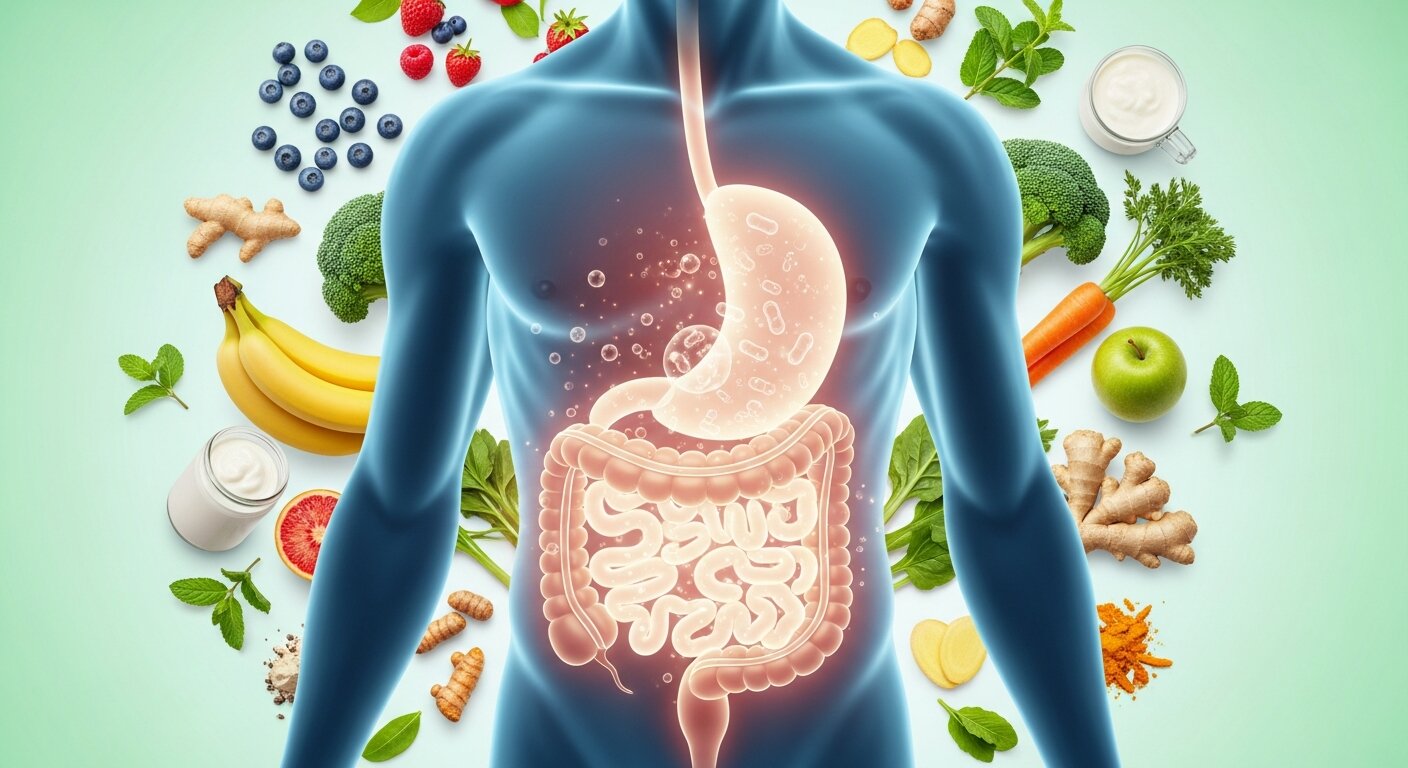
Understanding the Gut Microbiome
The gut microbiome refers to the vast community of bacteria, fungi, viruses, and other microorganisms primarily residing in the large intestine. Each individual’s microbial community is unique, shaped by genetics, early life exposures, diet, stress levels, and medication use. Beneficial microbes ferment dietary fibers into short-chain fatty acids (SCFAs) like butyrate, propionate, and acetate. These SCFAs nourish colon cells, regulate inflammation, and help maintain the intestinal barrier. A balanced microbiome communicates with the immune system to ward off pathogens, supports vitamin synthesis, and even influences neurotransmitter production.
Conversely, imbalance—often called dysbiosis—can contribute to symptoms like bloating, gas, irregular bowel movements, and systemic inflammation. Emerging research published by the National Institutes of Health (NIH) underscores the connection between microbiome diversity and conditions such as irritable bowel syndrome (IBS), obesity, and mental health challenges. By understanding these microbial interactions, you can tailor dietary choices and habits to support beneficial strains while minimizing factors that disrupt community balance.
Key drivers of microbiome composition include:
- Dietary fiber and polyphenols: Fuel beneficial species and promote SCFA production.
- Fermented foods and probiotics: Introduce live cultures to diversify gut flora.
- Lifestyle stressors: Chronic stress and poor sleep can alter gut motility and microbiome composition.
- Antibiotics and medications: May disrupt beneficial bacteria if used excessively.
Implementing natural ways to boost gut health starts with this foundational knowledge. By prioritizing nutrient-dense meals, adopting gut-friendly routines, and staying informed about the dynamic microbiome, you set the stage for improved digestion, robust immunity, and enhanced overall well-being.
Dietary Strategies to Nourish Your Microbiome

Food is the most direct lever for shaping your internal ecosystem. When you choose nutrient-rich, fiber-packed ingredients, you feed beneficial bacteria and discourage harmful strains. Today, the emphasis on natural ways to boost gut health places dietary fiber, fermented foods, and polyphenol-rich plant sources at the top of the grocery list.
Prioritize Prebiotic-Rich Foods
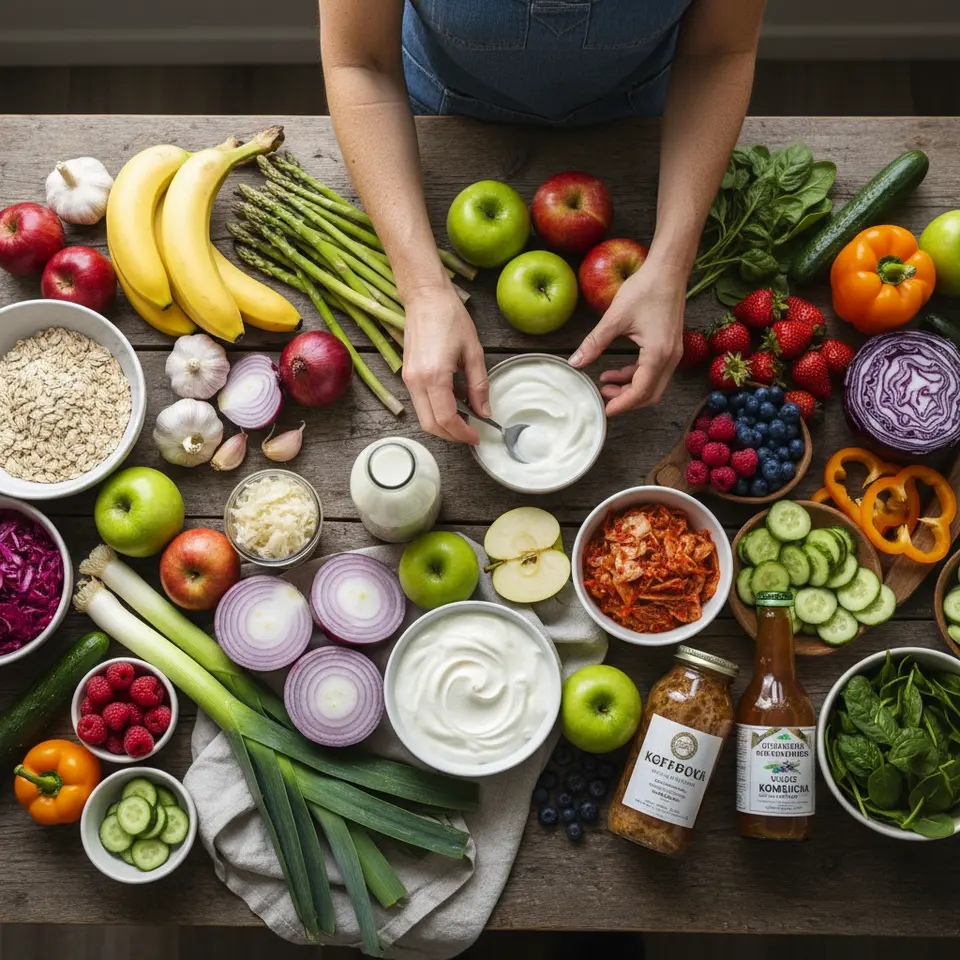
Prebiotics are non-digestible fibers that travel to the colon intact and serve as fuel for beneficial microbes. Top sources include:
- Onions, garlic, and leeks
- Asparagus and Jerusalem artichokes
- Bananas and apples (with skin)
- Whole grains like oats, barley, and quinoa
Incorporate a variety of these ingredients at each meal to ensure your gut bacteria receive a broad spectrum of nutrients.
Embrace Fermented Foods and Probiotics
Fermented staples such as yogurt, kefir, sauerkraut, kimchi, and kombucha introduce live cultures that can enhance microbial diversity. Aim for daily or frequent servings—half a cup of yogurt or a small bowl of kimchi can be enough to supply beneficial Lactobacillus and Bifidobacterium strains. According to Harvard T.H. Chan School of Public Health research, regular consumption of fermented foods correlates with improved gut barrier function and reduced inflammation.
Load Up on Colorful Plant Foods
Fruits and vegetables deliver vitamins, minerals, antioxidants, and additional fiber. Aim for a rainbow of produce—leafy greens, berries, cruciferous vegetables, and root crops—to provide polyphenols that promote gut health and systemic antioxidant protection.
Mindful Portioning and Meal Frequency
Sustained digestive balance also depends on sensible meal patterns. Overeating can overwhelm your digestive processes, while overly restrictive eating may deprive gut bacteria of fuel. Strike a middle ground by enjoying three balanced meals and, if desired, a moderate snack of nuts, seeds, or fermented dairy products. Experiment to find the frequency that aligns with your energy levels and digestive comfort.
Lifestyle Habits to Support Gut Balance
Diet and microbial food sources are essential, but complementary lifestyle habits amplify the benefits of natural ways to boost gut health. Consistency with daily routines helps your microbiome flourish and reduces the risk of digestive disturbances.
Stay Adequately Hydrated
Regular Physical Activity
Moderate exercise—like brisk walking, cycling, yoga, or swimming—enhances gut motility, reduces inflammatory markers, and fosters greater microbial diversity. The World Health Organization recommends a minimum of 150 minutes of moderate activity per week. Incorporating movement into your routine today supports a healthy gut ecosystem.
Prioritize Quality Sleep
Stress Management Techniques
Chronic stress triggers the fight-or-flight response, which can slow digestion, increase gut permeability, and shift microbial populations toward less beneficial strains. Combat stress with mindfulness, deep-breathing exercises, progressive muscle relaxation, or journaling. Consistent practice helps regulate cortisol levels and promotes harmony along the gut–brain pathway.
Mindful Eating Practices
Chewing thoroughly and focusing on your meal without distractions improves mechanical digestion and nutrient absorption. Establish a calm eating environment, sit upright, and savor each bite. These simple actions can reduce bloating and support a balanced microbiome.
Role of Supplements and Probiotics
While a food-first approach remains ideal, targeted supplements can fill nutritional gaps and reinforce your gut support plan. Today, many reputable brands offer multi-strain probiotics and specialized fibers to enhance microbial diversity.
Selecting the Right Probiotic Formulas
Look for products that deliver at least 10 billion CFUs per serving and include diverse strains such as Lactobacillus acidophilus, Bifidobacterium longum, and Saccharomyces boulardii. Ensure the packaging protects strains from heat and moisture, and check for third-party testing to verify potency.
Incorporating Prebiotic Fibers
Supplements like inulin, fructooligosaccharides (FOS), and partially hydrolyzed guar gum can help feed beneficial bacteria when dietary intake falls short. Start with a low dose and increase gradually to minimize gas or bloating.
Adding Digestive Enzymes
If you regularly experience indigestion, consider enzyme blends containing amylase, protease, and lipase. These can assist in breaking down carbohydrates, proteins, and fats, enhancing overall nutrient absorption.
Functional Amino Acids and Support Nutrients
L-glutamine helps maintain the integrity of the intestinal lining, while betaine HCl can support stomach acid levels to improve protein digestion. Use these under professional guidance, especially if you have a history of ulcers or gastritis.
Timing and Integration
Coordinate supplements around meals for best results—probiotics on an emptied stomach or as directed by the manufacturer, digestive enzymes at the start of a meal, and prebiotic fibers with water or food. Monitoring how your body responds will help you adjust dosages and optimize benefits.
Monitoring Progress and Seeking Professional Guidance

Tracking your journey helps you identify triggers, celebrate successes, and adjust strategies to maintain momentum. By recording daily food intake, symptoms, mood, and energy levels, you gain insight into how different interventions affect your digestive comfort and overall well-being.
Keeping a Gut Health Journal
Note the timing of meals, types of foods consumed, supplement use, exercise, sleep quality, and stressors. Over weeks, patterns will emerge—allowing you to refine your approach and pinpoint habits that most effectively support natural ways to boost gut health.
Recognizing Red Flags
Be aware of warning signs such as persistent abdominal pain, unexplained weight loss, blood in stool, or severe fatigue. These symptoms warrant a prompt evaluation by a healthcare professional to rule out conditions like inflammatory bowel disease or small intestinal bacterial overgrowth.
When to Consult a Specialist
If you have chronic digestive issues, food intolerances, or complex medical histories, seek guidance from a gastroenterologist, registered dietitian, or functional medicine practitioner. They can recommend advanced diagnostics—such as breath tests or microbiome analysis—and craft a personalized plan that complements the natural ways to boost gut health outlined here.
Leveraging Authoritative Resources
Stay informed by consulting respected institutions like the Centers for Disease Control and Prevention CDC or peer-reviewed journals. Evidence-based insights help you distinguish between fleeting wellness trends and lasting, scientifically supported practices.
Conclusion
Cultivating a thriving gut microbiome is a journey that combines informed dietary choices, supportive lifestyle habits, and strategic supplementation. By embracing natural ways to boost gut health—prioritizing fiber-rich foods, fermented staples, regular movement, stress management, and targeted probiotics—you can foster enhanced digestion, resilient immunity, balanced mood, and sustained energy. Stay consistent, track your progress, and seek professional guidance when needed to tailor your protocol. In today’s fast-paced world, nurturing your inner ecosystem will serve as a cornerstone for lifelong wellness and vitality.
Frequently Asked Questions
1. What foods are best for improving gut health naturally?
High-fiber foods such as fruits, vegetables, legumes, oats, and seeds are excellent choices. Fermented foods like yogurt, kefir, kimchi, and sauerkraut also support healthy bacteria. Eating a variety of colorful plant foods helps nourish different microbial strains and improves digestion, immunity, and overall balance naturally daily.
2. How long does it take to improve gut health?
Many people notice less bloating and better bowel regularity within two to four weeks of consistent changes. Larger improvements in energy, digestion, and microbiome diversity may take several months. Staying consistent with diet, hydration, sleep, and stress management is key for lasting positive gut health results.
3. Can probiotics help everyone equally?
Probiotics can benefit many people, but results vary depending on strain type, dosage, and individual gut conditions. Some people respond quickly, while others notice little change. Choosing quality products and combining them with fiber-rich foods usually improves outcomes more effectively than supplements alone for most individuals.
4. What drinks support digestive health best?
Water is the most important drink for healthy digestion because it supports nutrient absorption and regular bowel movements. Herbal teas such as ginger, peppermint, or chamomile may also soothe discomfort. Avoid excessive sugary drinks and alcohol, which can disrupt microbiome balance and irritate digestion over time.
5. Does stress really affect gut health?
Yes, chronic stress strongly affects digestion through the gut-brain connection. Stress can slow digestion, increase bloating, worsen reflux, and alter beneficial bacteria levels. Practicing meditation, breathing exercises, journaling, or daily walks can lower stress hormones and create a healthier digestive environment over time naturally.
6. How much fiber should I eat daily?
Most adults benefit from around 25 to 38 grams of fiber daily, depending on age and gender. Increase intake gradually to avoid gas or bloating. Include oats, beans, berries, vegetables, nuts, and seeds regularly while drinking enough water for smoother digestion and better microbiome support.
7. Are antibiotics harmful to gut bacteria?
Antibiotics can be lifesaving, but they may also reduce beneficial bacteria along with harmful microbes. After necessary antibiotic use, focus on fiber-rich foods, fermented products, and hydration. Some people benefit from probiotics during recovery, though medical guidance is helpful for personalized recommendations and safe long-term balance.
8. Can poor sleep damage gut health?
Yes, inadequate sleep can disrupt hormones, digestion, and microbiome diversity. Poor sleep may worsen cravings, inflammation, constipation, and stress levels. Aim for seven to nine hours nightly with a consistent schedule, limited late-night screen time, and a calming bedtime routine for better digestive wellness outcomes.
9. What are common signs of poor gut health?
Frequent bloating, constipation, diarrhea, gas, reflux, fatigue, skin irritation, and food sensitivities may indicate imbalance. Mood changes can also occur because of the gut-brain link. Persistent symptoms should be evaluated by a healthcare professional to identify causes and create an effective treatment plan promptly.
10. Should I track my gut health progress?
Yes, keeping a simple journal can reveal patterns between foods, stress, sleep, and symptoms. Record meals, digestion, energy, and bowel habits regularly. Tracking helps identify triggers, monitor improvements, and guide smarter adjustments, making long-term gut health strategies more effective and personalized over time.
