


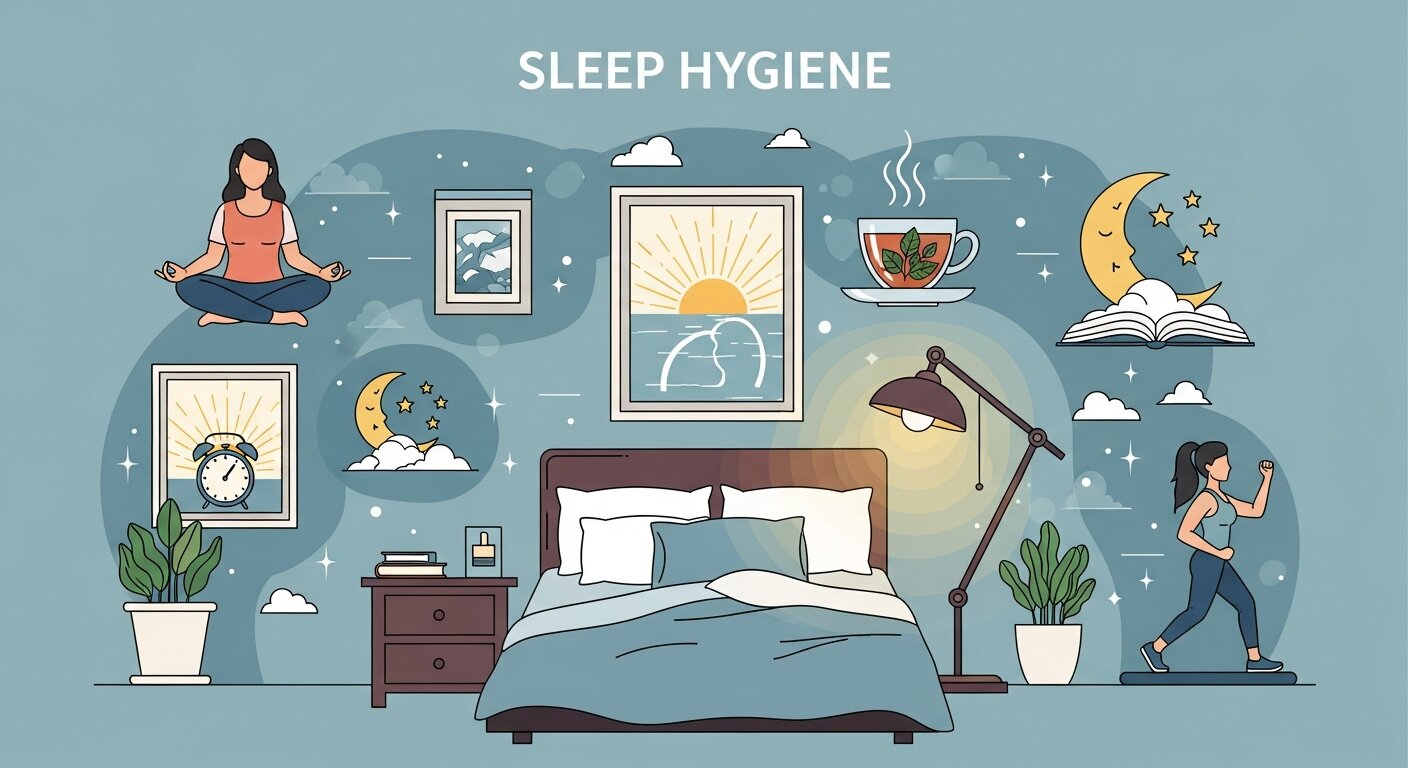
In today’s digital landscape, quality rest often feels like an elusive goal. With endless notifications demanding attention and stress levels rising, many individuals wake up feeling drained rather than restored. Yet, restorative sleep lies at the heart of physical well-being, mental clarity, and emotional resilience. By embracing effective sleep hygiene strategies, you can support your body’s natural rhythms, enhance daytime productivity, and safeguard long-term health.
This comprehensive guide delves into the core principles of sleep hygiene, from understanding the science of sleep to refining nightly rituals and overcoming common obstacles. Along the way, you will find evidence-based recommendations and links to authoritative sources such as the Centers for Disease Control and Prevention and Harvard Health Publishing. Whether you struggle to fall asleep, wake frequently, or simply wish to elevate your nightly routine, these tips will help you cultivate habits that promote deep, uninterrupted slumber. Implementing a consistent approach to sleep hygiene not only helps you drift off more easily but also ensures you spend more time in the restorative deep and REM phases.
From optimizing your bedroom environment to adopting calming pre-sleep rituals, you will discover how small adjustments can produce significant gains in sleep quality this year. Let’s embark on a journey toward better nights and brighter days—starting tonight.
Understanding Sleep Cycles and Their Role in Health
Quality sleep follows a predictable pattern of stages and cycles that repeat several times each night. These stages fall into two primary categories: non-rapid eye movement (NREM) and rapid eye movement (REM). Together, they guide your brain and body through restorative processes essential for overall health.Understanding sleep cycles is essential for recognizing how the body restores itself during rest. Sleep is divided into non-rapid eye movement (NREM) and rapid eye movement (REM) stages, which repeat in cycles throughout the night. NREM includes light sleep and deep sleep, where the body repairs tissues, strengthens the immune system, and regulates hormones. REM sleep supports memory consolidation, emotional processing, and brain development through vivid dreaming. A complete cycle lasts about 90–110 minutes and repeats four to six times per night in healthy adults. Disruptions to these cycles can reduce sleep quality, impair cognitive performance, weaken immunity, and increase stress levels. Maintaining consistent sleep habits helps ensure balanced cycles and overall physical and mental well-being.
The Four Stages of Sleep
- Stage 1 (Light Transition): This brief phase marks the shift from wakefulness to slumber. Brain waves slow, and muscles begin to relax.
- Stage 2 (Stabilization): Heart rate declines, body temperature drops, and brain wave activity exhibits periodic bursts known as sleep spindles.
- Stage 3 (Deep or Slow-Wave Sleep): Often referred to as “delta sleep,” this stage facilitates tissue repair, hormone regulation, and immune support.
- Stage 4 (REM Sleep): Characterized by vivid dreaming, rapid eye movements, and heightened brain activity, REM sleep is vital for emotional processing and memory consolidation.
A complete cycle typically lasts 90–110 minutes, and most adults cycle through four to six iterations per night. Disruptions—be it irregular schedules, environmental disturbances, or stimulants—can fragment these cycles and undermine the restorative benefits of each phase.
Research from institutions like the National Heart, Lung, and Blood Institute highlights that insufficient deep or REM sleep impairs cognitive function, weakens immune defenses, and disrupts metabolic balance. By prioritizing sleep hygiene, you strengthen your body’s ability to navigate these cycles seamlessly, laying the groundwork for improved health and performance.
Why Consistent Sleep Hygiene Matters for Mind and Body
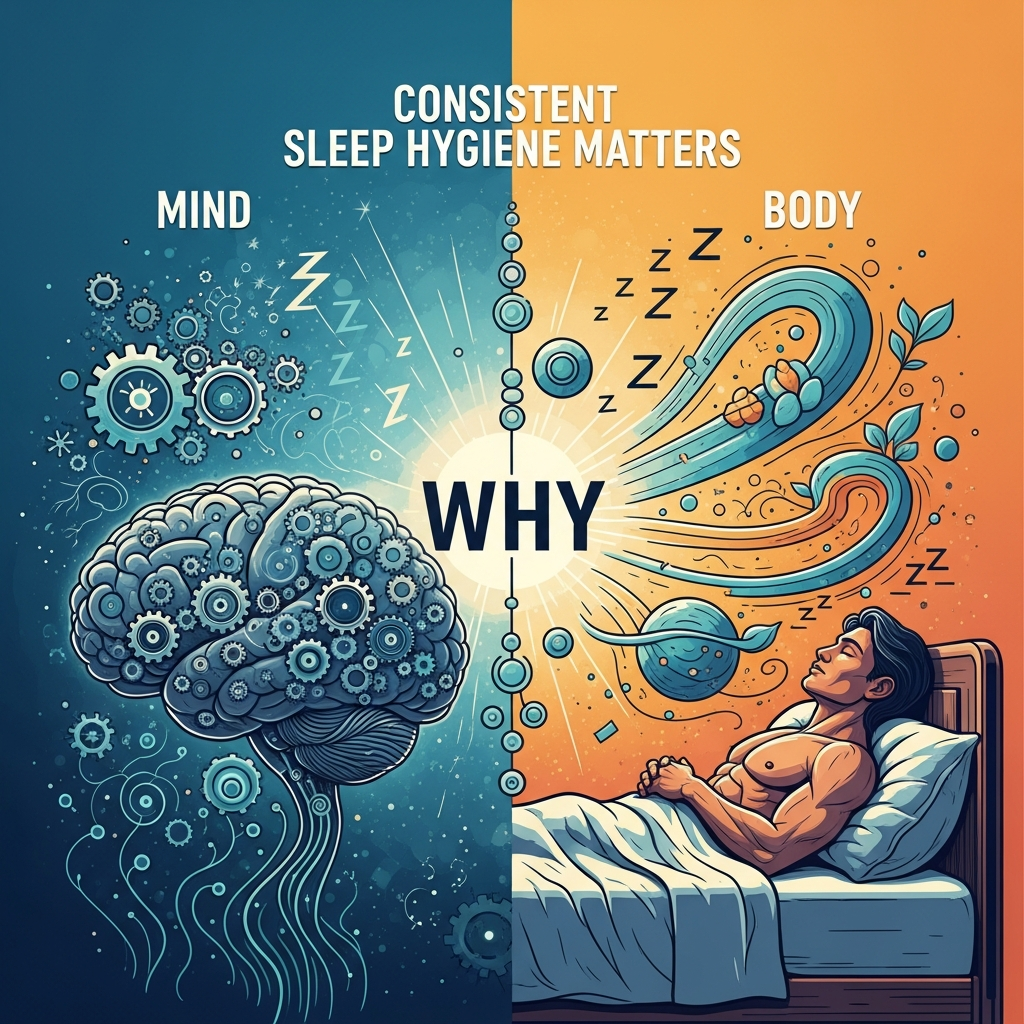
Adhering to solid sleep hygiene practices yields benefits that extend far beyond feeling rested. When you honor your body’s need for regular, high-quality sleep, you unlock advantages in cognition, emotional well-being, and physical health.
Enhanced Cognitive Performance
During deep and REM sleep, the brain consolidates new information and clears metabolic byproducts. This process sharpens memory retention, bolsters learning capacity, and fuels creativity. Studies suggest that individuals with consistent sleep patterns demonstrate faster problem-solving skills and greater attention spans.
Emotional Stability and Stress Management
Insufficient sleep heightens reactivity in the limbic system, making it harder to regulate emotions. A robust sleep hygiene routine promotes balanced neurotransmitter levels, reducing irritability and anxiety. Over time, this stability fosters resilience against everyday stressors and supports a more positive outlook on life.
Physical Health and Safety
Sleep exerts a profound influence on cardiovascular function, metabolic regulation, and immune response. Chronic sleep restriction has been linked to increased risks of hypertension, type 2 diabetes, and inflammation. Moreover, drowsiness compromises reaction time and decision-making, raising the likelihood of accidents. By fine-tuning your nightly routine, you strengthen your body’s defense mechanisms and enhance daytime alertness.
In today’s fast-paced world, establishing consistent times for sleep and wakefulness anchors your circadian rhythm, making it easier to fall asleep and awaken refreshed. Embracing sleep hygiene is not a luxury—it’s an essential pillar of holistically optimized health.
Crafting an Environment Conducive to Rest
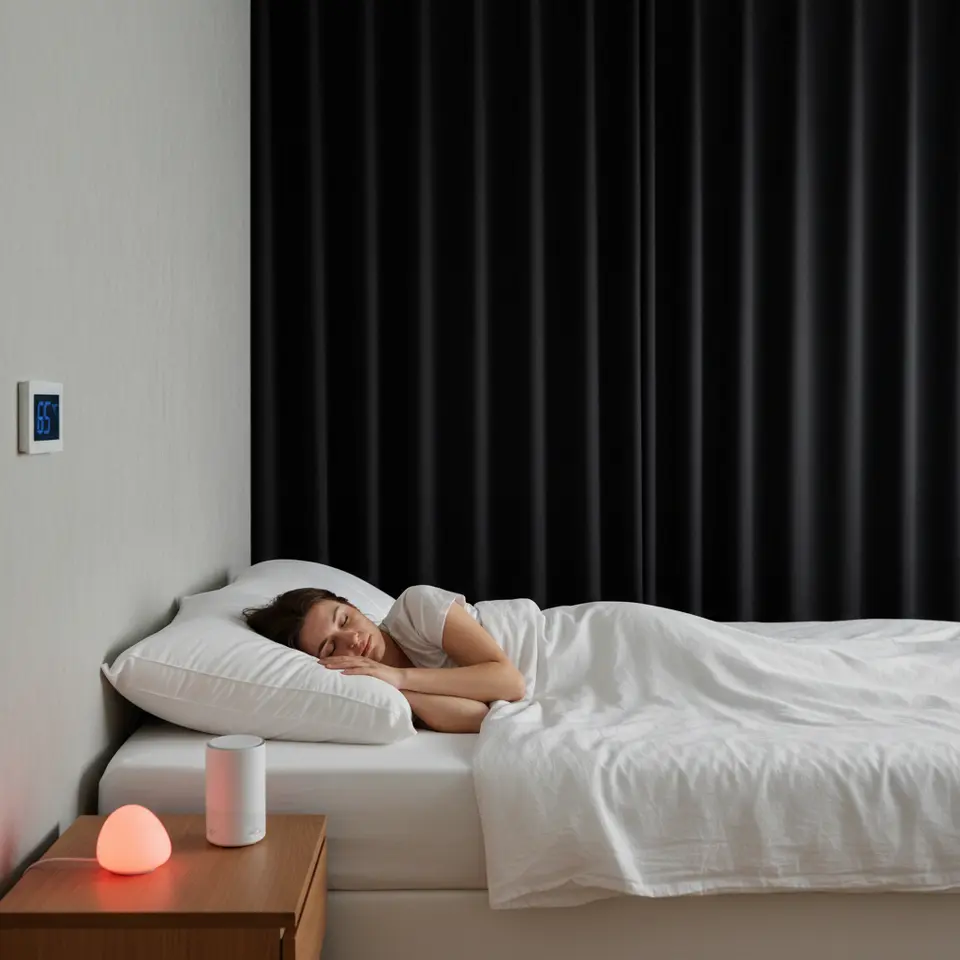
Your bedroom environment plays a pivotal role in signaling to your body that it’s time to wind down. Thoughtful adjustments can create a sanctuary that naturally supports restorative slumber.
Optimal Temperature and Airflow
Research indicates that a cool bedroom—ideally between 60°F and 67°F—facilitates the body’s innate drop in core temperature needed to initiate sleep. Consider using a programmable thermostat or fan to maintain consistent airflow throughout the night.
Controlling Light Exposure
Exposure to artificial light, especially blue wavelengths emitted by screens, suppresses melatonin production. Blackout curtains or sleep masks effectively block streetlights and electronics glow. For unavoidable light sources, consider dimmable bulbs or red-hued night lights that exert less impact on your circadian rhythm.
Minimizing Noise Disruptions
Even low-level sounds can fragment sleep stages. White noise machines, fans, or nature sound apps create a consistent ambient backdrop that helps mask sudden disturbances. Earplugs or acoustic panels provide additional defense against external noise pollution.
Investing in Supportive Bedding
Select a mattress and pillows aligned with your preferred sleep position—side, back, or stomach—to preserve spinal alignment and alleviate pressure points. Breathable, moisture-wicking linens can further enhance comfort and temperature regulation.
Maintaining a Clutter-Free Space
A tidy bedroom environment reduces mental distractions and fosters relaxation. Reserve the bed for rest only; avoid bringing work materials, televisions, or exercise equipment into the sleep zone.
Rituals and Lifestyle Choices to Support Rest
Beyond environmental factors, daily habits and evening rituals profoundly influence your ability to maintain consistent, high-quality sleep.
Consistent Scheduling
Sticking to regular sleep and wake times—even on weekends—anchors your circadian rhythm. Over time, your body will learn to initiate and conclude sleep more effortlessly, minimizing reliance on alarms and naps.
Pre-Sleep Wind-Down Practices
Engage in calming activities 30–60 minutes before bed. Options include reading a paperback, practicing gentle yoga or stretching, and employing relaxation techniques like deep breathing or progressive muscle relaxation. Journaling or noting daily gratitude’s can help quiet a busy mind.
Mindful Nutrition and Exercise
Limit caffeine and nicotine intake after mid-afternoon, as their stimulatory effects can linger. Consume large meals at least two to three hours before bedtime, and consider a light snack rich in tryptophan—such as yogurt or turkey—to aid sleep onset. Regular aerobic exercise supports healthier sleep patterns, but avoid intense workouts within two hours of bedtime.
Digital Curfew and Stress Management
Implement a screen-free period at least one hour before sleep. If device use is necessary, enable night modes or blue-light filters. Mindfulness meditation, guided imagery, or gentle stretching can further reduce pre-sleep anxiety. Establish clear boundaries: charge electronics outside the bedroom, and turn off nonessential notifications.
Troubleshooting and Professional Solutions

If you’ve optimized your environment and honed your habits yet still struggle to achieve restorative sleep, you may be facing an underlying disorder. Recognizing symptoms and seeking professional assessment can put you on the path to relief.
Insomnia
Chronic difficulty falling or staying asleep may indicate insomnia. Cognitive Behavioral Therapy for Insomnia (CBT-I) is widely recognized as the gold-standard non-pharmacological treatment. Techniques focus on reshaping unhelpful thought patterns and behaviors that perpetuate sleeplessness.
Sleep Apnea
Characterized by repeated breathing interruptions, sleep apnea often causes loud snoring, gasping, and daytime fatigue. Continuous Positive Airway Pressure (CPAP) devices, positional therapy, and weight management strategies can mitigate symptoms. A sleep specialist can arrange polysomnography or home sleep tests to confirm diagnosis.
Restless Legs Syndrome (RLS)
An uncontrollable urge to move the legs—often accompanied by uncomfortable sensations—can disrupt sleep onset. Healthcare providers may recommend iron supplementation, medications, or lifestyle modifications based on severity.
Delayed Sleep Phase Syndrome (DSPS)
For individuals whose internal clocks run significantly later than societal norms, morning light therapy and gradual bedtime adjustments help realign circadian timing. Professional guidance ensures safe and effective progress.
Tracking your sleep through journals, wearable trackers, or smartphone apps provides invaluable insights. Regular review of patterns and consults with healthcare professionals can refine your approach and accelerate improvements.
Conclusion
Achieving consistent, restorative sleep begins with understanding and applying the principles of sleep hygiene. By crafting a soothing environment, establishing calming rituals, and maintaining healthy daytime habits, you empower your body to navigate sleep cycles more effectively. When challenges arise, early recognition and targeted interventions—ranging from CBT-I to professional sleep studies—can restore balance and vitality.
Start small: choose one or two strategies—such as setting a fixed wake-up time or instituting a digital curfew—and build from there. Monitor your progress and celebrate incremental gains. In this year (2026), committing to science-backed sleep hygiene practices can transform your nights and unlock the full potential of each new day.
Frequently Asked Questions
1. How many hours of sleep do adults need?
Most adults need 7–9 hours of sleep each night for optimal physical and mental health. However, individual needs may vary depending on age, lifestyle, and health conditions. Consistently getting enough sleep supports cognitive function, emotional stability, immune strength, and overall daily performance and productivity.
2. What is sleep hygiene?
Sleep hygiene refers to healthy habits and environmental practices that promote consistent, high-quality sleep. It includes maintaining a regular sleep schedule, reducing screen time before bed, creating a comfortable sleep environment, and avoiding stimulants. Good sleep hygiene improves sleep onset, duration, and overall restorative sleep quality.
3. What are the main stages of sleep?
Sleep consists of NREM and REM stages. NREM includes light sleep and deep sleep, where the body repairs tissues and restores energy. REM sleep involves dreaming and memory consolidation. A full sleep cycle lasts about 90–110 minutes and repeats several times each night for restorative rest.
4. How does poor sleep affect health?
Poor sleep negatively impacts memory, focus, mood, and decision-making. It increases stress, weakens immunity, and raises risks of chronic conditions like heart disease, diabetes, and obesity. Long-term sleep deprivation can also reduce productivity, increase accident risk, and impair emotional regulation and mental well-being.
5. What is the best sleep environment?
A good sleep environment is cool, dark, quiet, and comfortable. Ideal temperatures range between 60–67°F. Blackout curtains, noise reduction tools, and supportive bedding improve sleep quality. A clutter-free bedroom also helps reduce mental distractions, signaling the brain that it is time to rest and relax.
6. How do screens affect sleep quality?
Screens emit blue light, which suppresses melatonin production and disrupts the body’s natural sleep cycle. Using phones, laptops, or TVs before bed can delay sleep onset and reduce sleep quality. It is recommended to avoid screens at least one hour before bedtime for better rest.
7. What are common sleep disorders?
Common sleep disorders include insomnia, sleep apnea, restless legs syndrome, and delayed sleep phase disorder. These conditions can cause difficulty falling asleep, frequent awakenings, or poor sleep quality. Professional diagnosis and treatments like CBT-I, CPAP therapy, or lifestyle adjustments are often needed for improvement.
8. Can naps improve sleep quality?
Short naps of 20–30 minutes can improve alertness, focus, and energy without affecting nighttime sleep. However, long or late-day naps may interfere with the natural sleep cycle and make it harder to fall asleep at night. Timing and duration are key for healthy napping habits.
9. How can I fall asleep faster?
To fall asleep faster, maintain a consistent bedtime, reduce screen exposure, and practice relaxation techniques like deep breathing or meditation. Avoid caffeine in the evening and create a calming pre-sleep routine. A comfortable environment and limiting stress also help the body transition into sleep more easily.
10. When should I see a sleep specialist?
You should see a sleep specialist if you consistently struggle with falling asleep, staying asleep, or feel tired despite adequate rest. Symptoms like loud snoring, breathing pauses, or extreme daytime fatigue may indicate sleep disorders requiring professional diagnosis and treatment for long-term improvement.
