


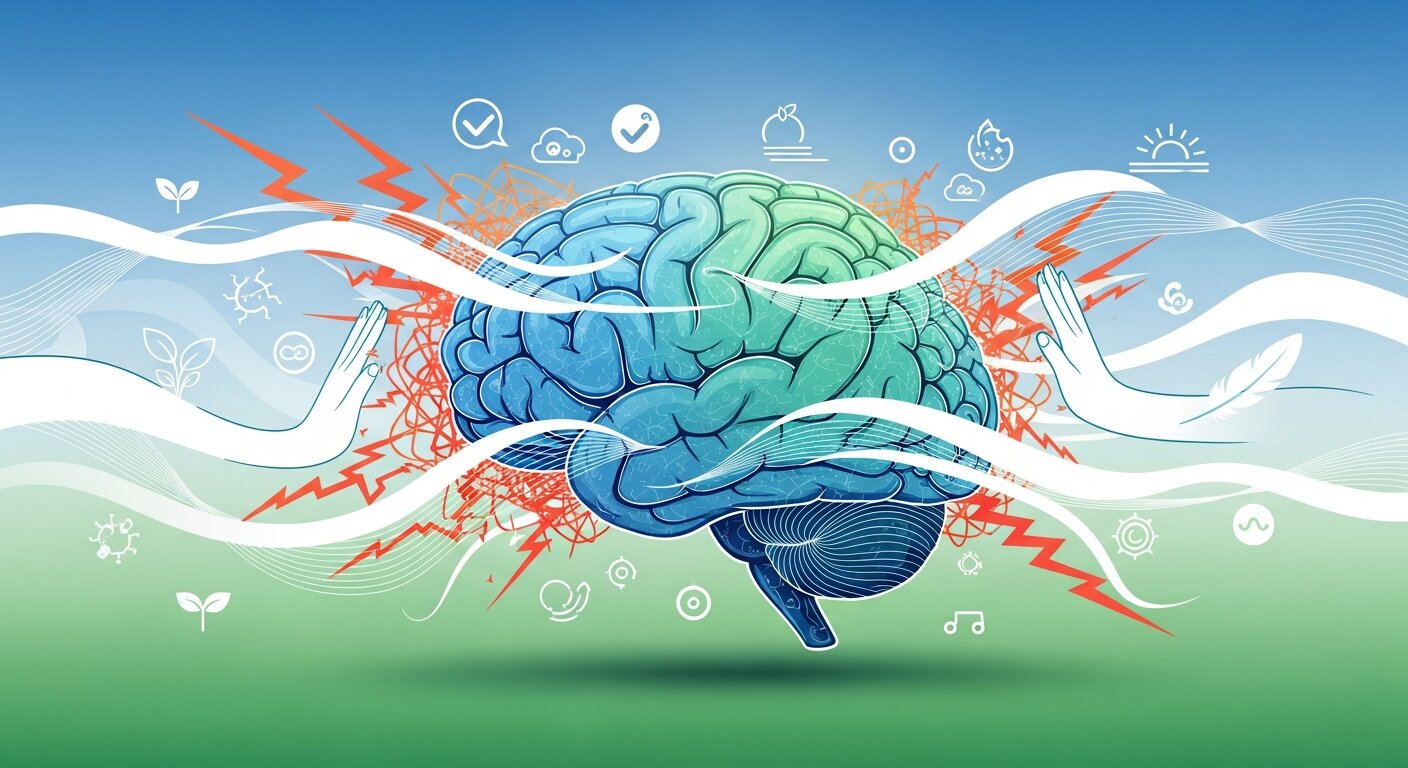
In today’s digital landscape, stress has become an almost constant companion for many of us. Between tight deadlines, personal commitments, and the rapid pace of information, finding calm can feel out of reach. Yet, mastering effective stress management is essential for maintaining both mental clarity and physical vitality. This year (2026), research continually highlights the negative effects of persistent pressure on overall well-being, making it more important than ever to cultivate strategies that reduce tension and boost resilience.
Effective stress management is not a one-size-fits-all remedy; instead, it combines a range of evidence-based techniques that address mind, body, and environment. Whether you’re completely new to stress relief or looking to deepen your existing practices, this article will guide you through a suite of tools—from understanding the biological roots of stress to implementing daily habits that foster balance. By the end, you will have a comprehensive toolkit to help you navigate challenges with greater ease and confidence. Let’s dive into the fundamentals and build a path toward a calmer, healthier life.
Understanding Stress: Definition and Impact
Stress is the body’s automatic reaction to situations perceived as demanding or threatening. In simple terms, any event that triggers a rapid release of hormones—primarily cortisol and adrenaline—initiates the classic “fight-or-flight” response. While this mechanism once helped our ancestors evade predators, in modern settings it often flares up in response to emails, traffic jams, or social pressures, leaving us in a heightened state of alert.
Acute Stress Response
When faced with an immediate challenge, acute stress sharpens attention and enhances physical readiness. Your heart rate increases, blood flow shifts to key muscle groups, and glucose floods into the bloodstream to fuel quick action. Although this response can be lifesaving in brief episodes, frequent activations without full recovery can wear down bodily systems.
Chronic Stress Explained
Unlike acute stress, chronic stress arises from ongoing pressures—such as relentless work demands or personal conflicts—that rarely allow the body to return to baseline. Consistent elevation of cortisol disrupts sleep patterns, weakens immunity, and impairs cognitive performance. Over time, this sustained hormonal imbalance can trigger a cascade of health issues ranging from cardiovascular strain to mood disorders.
Grasping the difference between short-lived stress and persistent strain is the first step in building an approach to effective stress management. By recognizing early warning signs—such as irritability, fatigue, or tension headaches—you can intervene before the situation escalates. Integrating mindfulness practices and lifestyle adjustments can help reset your system and restore equilibrium. For more detailed insights into stress physiology, visit the National Institutes of Health (NIH).
The Physical and Psychological Toll of Chronic Stress
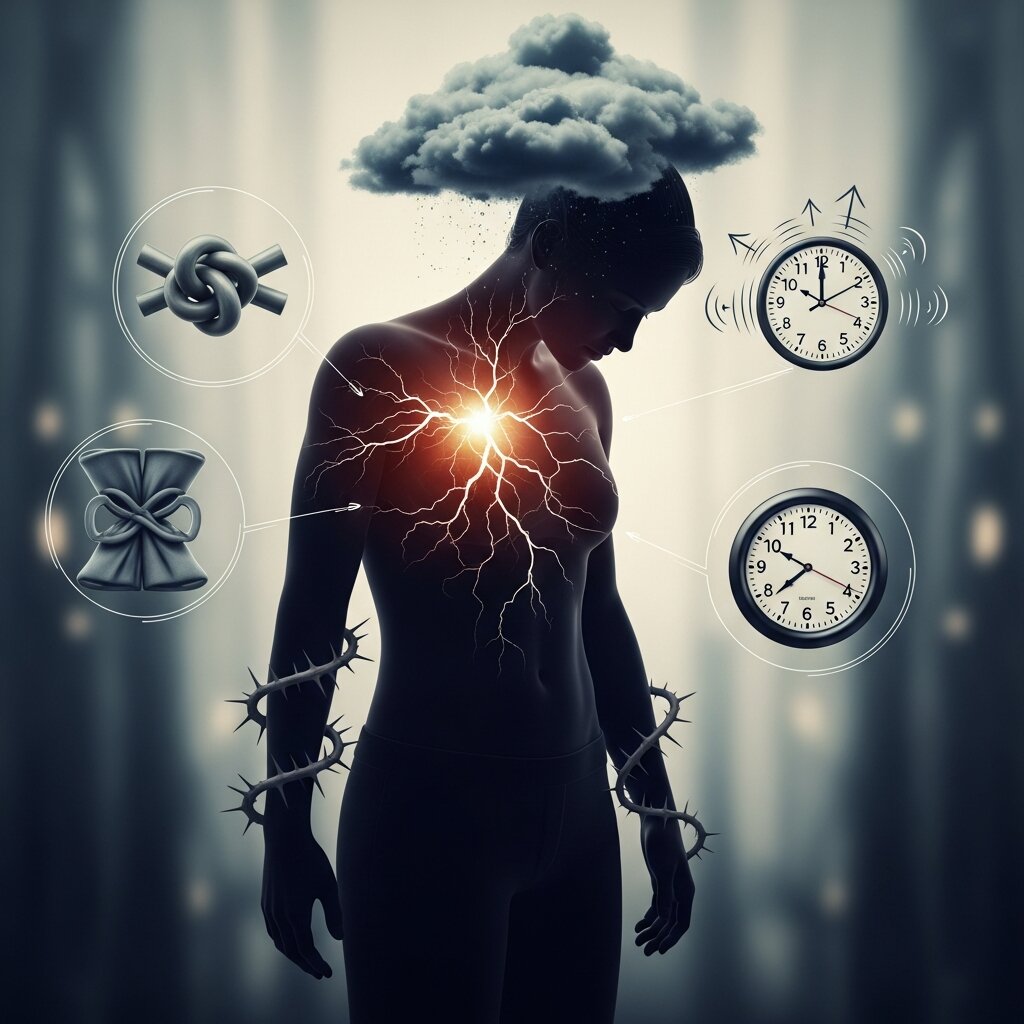 Unresolved stress does more than sap energy; it infiltrates nearly every aspect of health. Physically, persistent cortisol spikes can lead to elevated blood pressure, gastrointestinal issues, and metabolic imbalances. Mentally, the effects are equally profound—chronic tension often undermines emotional stability, erodes concentration, and paves the way for anxiety or depression.
Physical Consequences
When your body remains in a state of high alert, basic functions get compromised. Digestive discomfort, headaches, and muscle tension are common early indicators. With time, you may notice more serious markers: weakened immunity that increases susceptibility to infections; impaired cardiovascular function leading to heart palpitations or hypertension; and hormonal shifts that affect appetite and weight management.
Mental and Emotional Effects
On the psychological side, prolonged stress can distort thought patterns and heighten reactivity. Daily tasks that once felt manageable may become overwhelming, and persistent worries can spiral into chronic anxiety. Memory lapses, decision-making difficulties, and irritability are all red flags that your coping reserves are depleted. According to findings from Harvard University (Harvard), regular exposure to stress without adequate relief can shrink brain regions responsible for regulating emotions.
Understanding how deeply stress can affect both body and mind underscores the urgency of adopting a structured plan. It’s not simply about feeling better in the moment; it’s about protecting long-term health and fostering resilience. The following sections outline research-backed methods to lessen physical strain and calm mental unrest, guiding you toward truly effective stress management in daily life.
Incorporating Mindfulness and Meditation Practices
Mindfulness has emerged as one of the most accessible and versatile tools for regulating stress hormones and fostering mental clarity. By purposefully focusing on the present moment—without judgment—you can interrupt habitual thought loops and reduce physiological arousal. Consistent practice rewires neural pathways, making it easier to remain centered even when challenges arise.
Starting a Breath Awareness Routine
A simple breath awareness exercise can be done anywhere, anytime. Begin by finding a comfortable seated position. Close your eyes and bring attention to the inhalation and exhalation. Count each breath cycle up to five, then start over. Just five minutes of focused breathing daily can lower cortisol levels and improve emotional regulation. Keep a timer or use a gentle alarm on your phone to avoid clock-watching.
Body Scan and Progressive Relaxation
The body scan method shifts attention sequentially through different muscle groups, identifying areas of tension and deliberately releasing them. Starting at the toes and working up to the crown of the head, pause at each region for a few breaths. As you inhale, imagine energy flowing into that part of your body; as you exhale, picture stress melting away. This practice not only reduces physical tightness but cultivates greater embodiment.
Using Guided Tools and Apps
For those who prefer structured guidance, meditation apps offer tailored sessions ranging from one to thirty minutes. Platforms like Insight Timer, Headspace, and Calm feature programs led by experienced instructors, combining visualization, mantra repetition, or loving-kindness meditations. Experiment with different formats to find what resonates with you. Over time, these practices become an integrated part of your daily rhythm, supporting ongoing effective stress management.
Leveraging Exercise and Movement to Alleviate Tension

Physical activity stands out as one of the most potent natural ways to lower stress hormone levels. Movement not only burns off excess adrenaline and cortisol but also stimulates the release of endorphins—neurochemicals that boost mood and promote relaxation. Incorporating a variety of workouts ensures you address both cardiovascular health and muscular resilience.
Cardio and Endurance Activities
Engaging in moderate aerobic exercise—such as brisk walking, cycling, or swimming—for at least 150 minutes per week can significantly reduce stress. Cardio workouts increase heart rate and circulation, helping to clear mental fog and improve sleep quality. Consider exploring local parks or greenways to combine exercise with nature exposure for an added calming effect.
Mind-Body Workouts
Practices like yoga, tai chi, and Pilates blend gentle movement with breath awareness, making them ideal for both physical conditioning and mental soothing. These disciplines emphasize fluid transitions and mindful alignment, helping you develop a deeper connection between body and mind. Classes are widely available in studios or through online platforms, allowing you to practice at home or on the go.
Strength Training Benefits
Lifting weights or utilizing resistance bands offers a different kind of stress relief. The focus required to maintain proper form diverts attention from intrusive thoughts, while muscle engagement produces a sense of accomplishment and physical well-being. Aim for two to three sessions per week, targeting all major muscle groups to promote balanced strength and metabolic health.
Nutrition, Sleep, and Lifestyle Adjustments
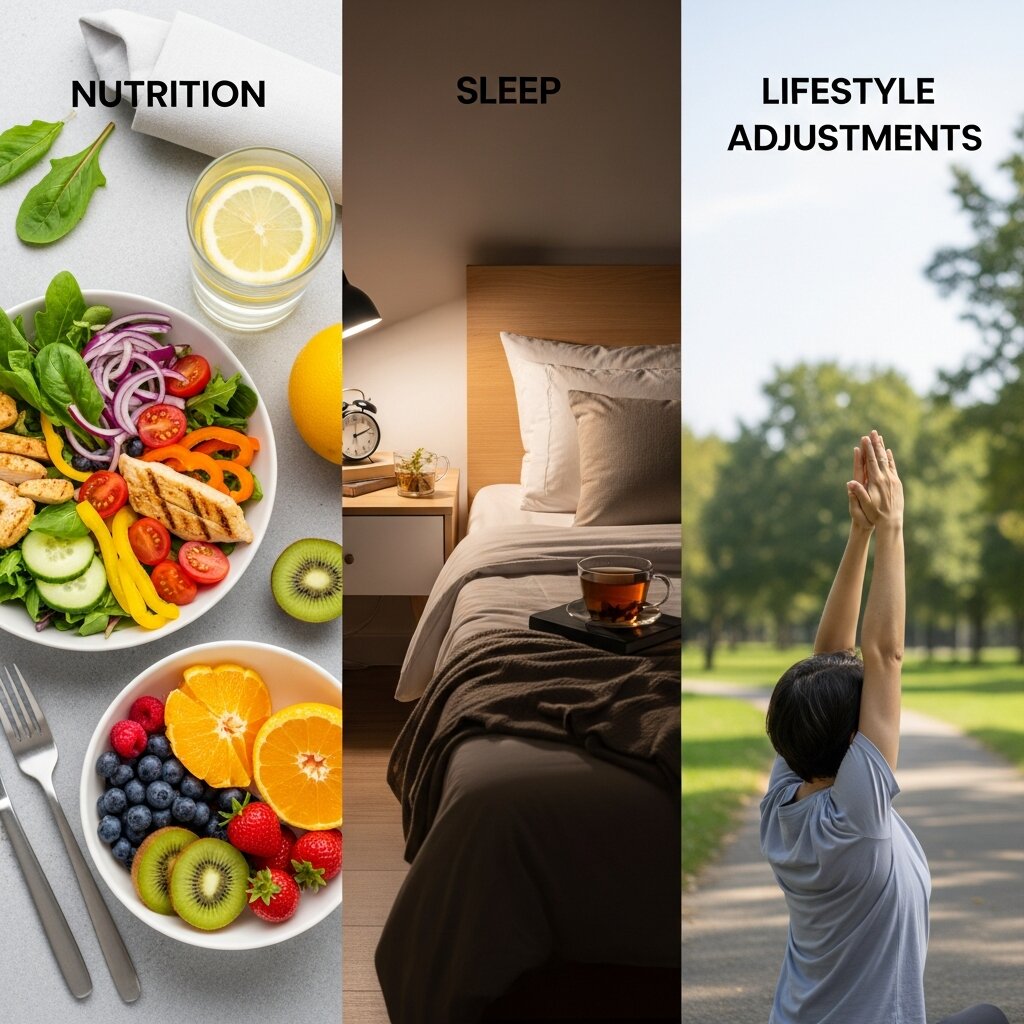
Supporting your body with wholesome nutrition and restorative rest lays the groundwork for sustained effective stress management. What you eat and how you sleep directly influence hormone regulation, cognitive function, and emotional balance. Additionally, setting clear boundaries around time and social engagement can prevent overwhelm.
Balanced Diet for Hormone Regulation
Emphasize whole foods rich in vitamins, minerals, and healthy fats. Incorporate colorful fruits and vegetables, lean proteins like fish or legumes, and sources of omega-3s such as chia seeds or walnuts. Limit processed sugars and high-caffeine indulgences, which can trigger jitters and mood swings. Staying hydrated with water or herbal teas further supports detoxification and energy stability.
Enhancing Sleep Hygiene
Quality sleep is non-negotiable for stress reduction. Establish a consistent evening routine by dimming lights and keeping devices away at least an hour before bedtime. Maintain a cool, dark, and quiet environment—use blackout curtains or a white-noise machine if needed. Aim for seven to nine hours of uninterrupted rest each night to allow your nervous system to reset.
Time Management and Boundary Setting
Structured scheduling prevents last-minute rushes that elevate cortisol. Use techniques like time blocking to designate periods for focused work, short breaks, and leisure. Prioritize tasks by urgency and impact, and don’t hesitate to delegate or decline nonessential demands. Protecting your personal time reinforces a healthier work-life balance.
Social Connection and Support
Humans thrive on meaningful interaction. Make a habit of reaching out to friends or family members to share experiences and feelings. Joining interest-based groups—whether community clubs or online forums—can expand your support network. Volunteering also offers dual benefits: helping others and fostering a sense of purpose, both of which counterbalance stress.
Conclusion
Effective stress management combines scientific insights with practical habits that enhance resilience and well-being. By understanding how stress operates, acknowledging its impacts on body and mind, and weaving together mindfulness, movement, nutrition, rest, and social support, you create a robust defense against daily pressures. Small, consistent actions—like a brief breathing break, a nutritious meal, or a scheduled leisure moment—accumulate over time and lead to profound improvements in health and outlook.
Start by selecting one or two strategies that resonate most strongly with you and integrate them into your daily routine this year (2026). As these practices become second nature, gradually expand your toolkit. Remember, true progress unfolds through steady dedication rather than abrupt transformations. With a commitment to effective stress management, you can cultivate a more balanced, energized, and joyful life moving forward.
