


The Vital Roles of Water

Water is far more than a simple thirst quencher; it functions as the primary solvent in which countless biochemical reactions occur. Within cells, optimal hydration supports the enzymatic pathways that generate energy, synthesize proteins, and replicate DNA. These intracellular processes require a precisely regulated fluid environment to maintain molecule concentrations and cellular integrity. When fluid balance is disrupted, metabolic efficiency declines, and the body may struggle to eliminate waste metabolites through the kidneys and liver.
Supporting Cellular Metabolism
Adequate water levels ensure that nutrients and oxygen travel seamlessly through the bloodstream to every tissue. This transport mechanism is vital for muscle function, brain activity, and the regulation of blood pressure. Research indicates that even slight decreases in total body water can reduce cellular performance and delay recovery after exertion.
Regulating Body Temperature
Thermoregulation relies heavily on the body’s ability to produce sweat, which cools the skin through evaporation. Dehydration impairs this natural mechanism, increasing the risk of heat-related conditions such as heat exhaustion and heat stroke. Maintaining optimal hydration helps stabilize internal temperature, making it easier to adapt to fluctuating environmental demands.
Cushioning Joints and Organs
Beyond metabolic functions, water provides structure and shock absorption for joints, spinal discs, and vital organs. This cushioning effect reduces mechanical stress and wear on connective tissues, supporting long-term mobility and reducing injury risk. In summary, understanding these fundamental roles of water lays the foundation for appreciating why maintaining fluid balance is essential for overall health.
Customizing Your Hydration Goals
While the familiar “8×8 rule” (eight 8-ounce glasses per day) offers a simple starting point, individual hydration needs vary based on numerous factors. The Institute of Medicine’s dietary guidelines—outlined by the National Academies—suggest about 3.7 liters of total water per day for men and 2.7 liters for women, including fluids from both beverages and food. However, these numbers function as benchmarks rather than rigid targets. Cultivating awareness of your body’s signals is crucial for achieving optimal hydration.
Beyond the 8×8 Guideline
Fixed rules can sometimes misrepresent personal requirements. Factors such as body weight, diet composition, and activity patterns influence how much water you truly need. For instance, diets rich in fiber or protein may demand more fluids to aid digestion and eliminate by-products. Conversely, high-fruit or vegetable intake supplies additional water, easing the burden on drinking fluids alone.
Listening to Your Body
Rather than waiting for intense thirst, observe subtler cues such as mouth moistness, skin elasticity, and urine color. A pale yellow hue typically indicates sufficient intake, while darker shades suggest the need for more fluids. Incorporating routine check-ins—such as a quick skin pinch test or monitoring urinary output—can guide timely drinking habits.
Adapting to Your Lifestyle
Hydration needs shift with changing daily demands. Desk-based professionals may require different strategies than outdoor workers or endurance athletes. By aligning fluid intake with personal routines—drinking upon waking, before meetings, or during work breaks—you create natural touchpoints that support consistent consumption and sustain energy levels.
Factors Affecting Fluid Needs

Hydration requirements are not static; they fluctuate in response to environmental, physiological, and lifestyle influences. Recognizing these variables empowers you to adjust water intake appropriately and avoid both dehydration and overhydration.
Physical Activity and Sweat Loss
During exercise, the body liberates heat by producing sweat, which lowers internal temperature as moisture evaporates from the skin. Sweat rates differ among individuals but can exceed one liter per hour during intense workouts. To maintain performance and prevent declines in strength or endurance, athletes are advised to consume 150–250 milliliters of fluid every 15–20 minutes of activity, tailored to personal sweat rates and exercise duration.
Environmental Conditions
Hot, humid climates intensify sweat losses by hindering evaporation, whereas cold or high-altitude settings may accelerate dehydration through increased respiratory water loss. When venturing into extreme environments, plan for supplemental fluids and consider electrolyte-containing beverages to support fluid retention and prevent imbalances.
Health Status and Medications
Certain medical conditions—such as fever, diarrhea, and vomiting—can deplete fluids rapidly, necessitating more aggressive rehydration strategies. Additionally, prescription diuretics and antihypertensive drugs promote water excretion. Understanding your health profile and medication effects helps customize hydration plans and avoids unintended complications.
Life stages also play a role: pregnancy and lactation impose higher fluid demands to support fetal growth and milk production. By accounting for these factors, you can anticipate changing needs and develop a flexible hydration approach that maintains balance.
Identifying and Addressing Dehydration
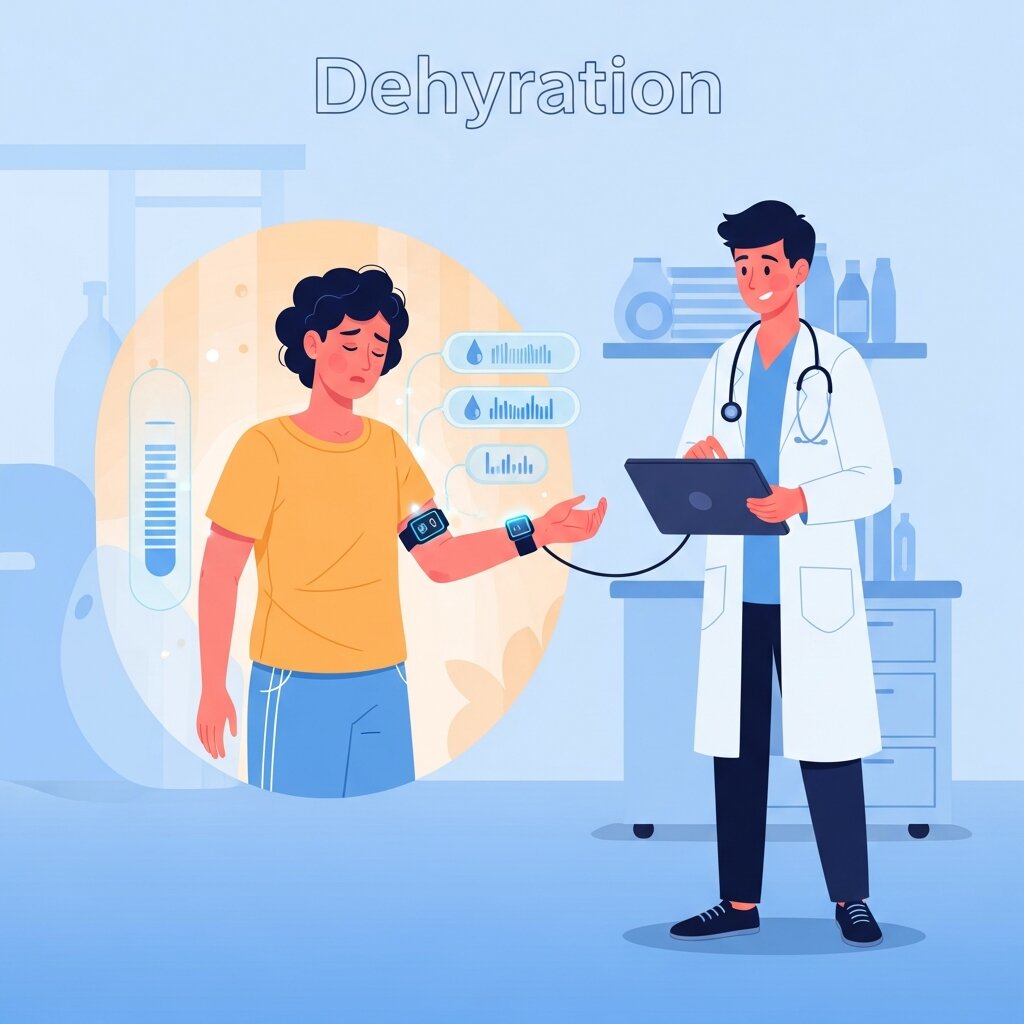
Even minor fluid deficits can manifest in cognitive sluggishness, mood shifts, and reduced physical capacity. Early recognition of dehydration symptoms allows for prompt intervention and minimizes potential adverse effects.
Early Warning Signs
Initial indicators include dry mouth, fatigue, lightheadedness, and decreased urine volume. Monitoring urine color offers a quick check: light straw-colored fluid generally signals adequate hydration, while darker tones point toward fluid shortfall.
Severe Dehydration Risks
If dehydration advances without correction, individuals may experience rapid heartbeat, muscle cramps, confusion, and dizziness. Prolonged low-grade dehydration has been linked to kidney stones, urinary tract infections, and impaired gastrointestinal function.
When to Seek Medical Help
Severe symptoms—such as persistent vomiting, inability to retain fluids, high fever, or signs of heat stroke—constitute a medical emergency. Professional guidance is essential to restore fluid balance safely and prevent complications like acute kidney injury. For detailed recommendations on rehydration protocols, refer to the CDC for credible guidance.
Evidence-Based Hydration Practices
Adopting science-backed strategies can simplify the pursuit of optimal hydration. By integrating practical tips and nutrient-rich options, you can sustain fluid balance with minimal disruption to your routine.
Practical Tips for Daily Intake
Carrying a reusable water bottle ensures access throughout the day and encourages regular sipping. Setting hourly reminders on a smartphone or linking water consumption to routine tasks—such as drinking a glass before each meal—creates structured opportunities to hydrate. Experimenting with water temperature and natural flavor enhancers like citrus slices, mint, or cucumber can make drinking more enjoyable.
Enhancing Performance and Cognition
A pre-exercise bolus of 500–600 milliliters consumed two hours before activity helps optimize fluid status at the start of training. During prolonged or high-intensity sessions, replenishing 150–250 milliliters every 15–20 minutes can offset sweat losses. Post-workout, beverages containing electrolytes—especially sodium concentrations of 20–30 mEq per liter—promote efficient rehydration and reduce the risk of hyponatremia in endurance athletes. Consistent water intake also supports brain function, with studies showing that even 1–2 percent fluid deficits can impair attention and memory.
Creative and Nutritious Options
Integrating hydrating foods like watermelon, cucumbers, and leafy greens contributes to daily fluid volume and supplies essential vitamins. Homemade electrolyte drinks—combining water, a pinch of sea salt, a squeeze of citrus, and a teaspoon of honey—offer a balanced blend of minerals and natural sugars. Herbal teas, flavored sparkling water, and clear vegetable broths add variety and nutrition. By diversifying fluid sources, you ensure sustained interest and nourish your body with complementary nutrients.
Frequently Asked Questions
How much water should I drink each day?
Individual needs vary, but general guidelines from the National Academies recommend about 3.7 liters of total water daily for men and 2.7 liters for women, including fluids from both beverages and food. Adjust based on activity level, climate, and personal health factors.
What are the early signs of dehydration?
Look for dry mouth, fatigue, lightheadedness, reduced urine output, and darker urine color. Performing a simple skin elasticity pinch test or monitoring mouth moisture can also help detect mild dehydration before it worsens.
How should athletes adjust their hydration strategy?
Athletes should consume 150–250 milliliters of fluid every 15–20 minutes during exercise, based on individual sweat rates. A pre-exercise bolus of 500–600 milliliters two hours before activity and post-workout electrolyte beverages with 20–30 mEq/L of sodium help maintain fluid balance and performance.
Can I meet my hydration needs through food?
Yes. Foods with high water content—such as watermelon, cucumbers, leafy greens, and clear broths—contribute significantly to daily fluid intake while providing essential nutrients and electrolytes.
When should I seek medical attention for dehydration?
If you experience persistent vomiting, inability to retain fluids, high fever, rapid heartbeat, confusion, or signs of heat stroke, seek professional medical help immediately to prevent serious complications.
What is the Healthy Hydration Guide about?
The Healthy Hydration Guide explains how proper water intake supports overall health, including energy, brain function, and physical performance.
Why is hydration important for the body?
Hydration is essential because it supports digestion, circulation, temperature regulation, and cellular function, all covered in the Healthy Hydration Guide.
How much water should I drink daily?
The Healthy Hydration Guide suggests that daily water needs vary, but most adults require around 2–3.7 liters depending on activity and lifestyle.
What are the early signs of dehydration?
According to the Healthy Hydration Guide, early signs include dry mouth, fatigue, dark urine, and reduced focus.
Can food help with hydration?
Yes, the Healthy Hydration Guide highlights that fruits, vegetables, and soups contribute significantly to daily fluid intake.
How does hydration affect brain performance?
The Healthy Hydration Guide explains that even mild dehydration can reduce focus, memory, and cognitive efficiency.
Do athletes need more water than others?
Yes, the Healthy Hydration Guide notes that athletes require higher fluid intake to replace sweat loss during physical activity.
What is the best time to drink water?
The Healthy Hydration Guide recommends drinking water throughout the day, especially in the morning, before meals, and after exercise.
Can I drink too much water?
Yes, the Healthy Hydration Guide warns that excessive water intake can lead to electrolyte imbalance in rare cases.
How does climate affect hydration needs?
The Healthy Hydration Guide explains that hot and humid climates increase fluid loss through sweat, requiring higher water intake.
What drinks are best for hydration?
Water is best, but the Healthy Hydration Guide also recommends herbal teas and electrolyte-rich drinks for balance.
How can I build better hydration habits?
The Healthy Hydration Guide suggests using reminders, carrying a water bottle, and linking drinking water to daily routines.
Conclusion
Prioritizing optimal hydration is a powerful investment in physical health, mental clarity, and overall vitality. By understanding the multifaceted roles of water, personalizing intake targets, and adopting evidence-based strategies, you can build a sustainable routine that fits seamlessly into your lifestyle. From supporting cellular metabolism and thermoregulation to enhancing performance and cognitive function, the benefits of balanced hydration are profound and far-reaching.
As your fluid needs evolve with activity levels, environmental conditions, and life stages, remain attentive to your body’s signals and adjust accordingly. Implement the practical tips, nutrient-rich options, and habit-forming techniques outlined in this guide to transform hydration from an afterthought into a foundational pillar of well-being. Start today and experience the enduring rewards of staying optimally hydrated.
