


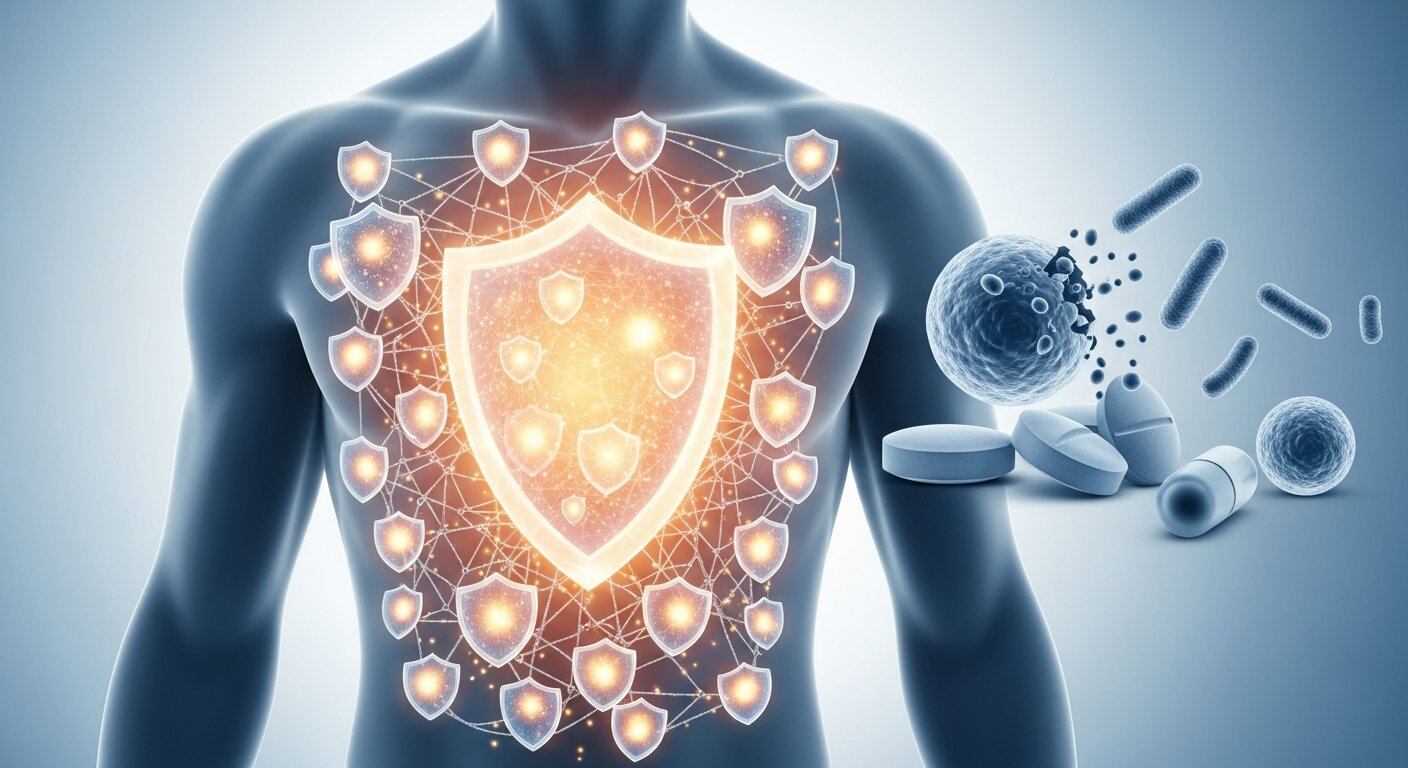
When you come down with a severe bacterial infection, a prescription for antibiotics can feel like a lifesaver. These powerful medications act quickly to destroy harmful bacteria, relieving painful symptoms and helping you get back on your feet. Medical professionals have relied on them for decades to treat everything from strep throat to complex respiratory infections.
However, a growing number of patients are raising questions about what happens inside the body once the medication finishes its job. A common concern is whether these drugs actually cause hidden damage while they cure the immediate illness. Specifically, many people wonder about the exact relationship between antibiotic use and the body’s natural defense mechanisms.
Understanding how these medications interact with your immune system is essential for your long-term health. Your body relies on a delicate balance of microorganisms to fight off future diseases. By examining the science behind antibiotics and gut health, you can make informed decisions about your medical care and recovery strategies.
The Effects of Antibiotics on Your Immune System

Antibiotics are designed to target and eliminate bacteria. They are highly effective at this job. The complication arises because these drugs cannot always distinguish between the harmful bacteria causing your illness and the beneficial bacteria that naturally live inside your body.
Your immune system relies heavily on the good bacteria residing in your digestive tract. When antibiotics sweep through your system, they alter this natural bacterial environment. This disruption can temporarily change how your body responds to new threats, leading to questions about overall immunity.
Do Antibiotics Lower Immunity?
The Impact on Your Gut Microbiome
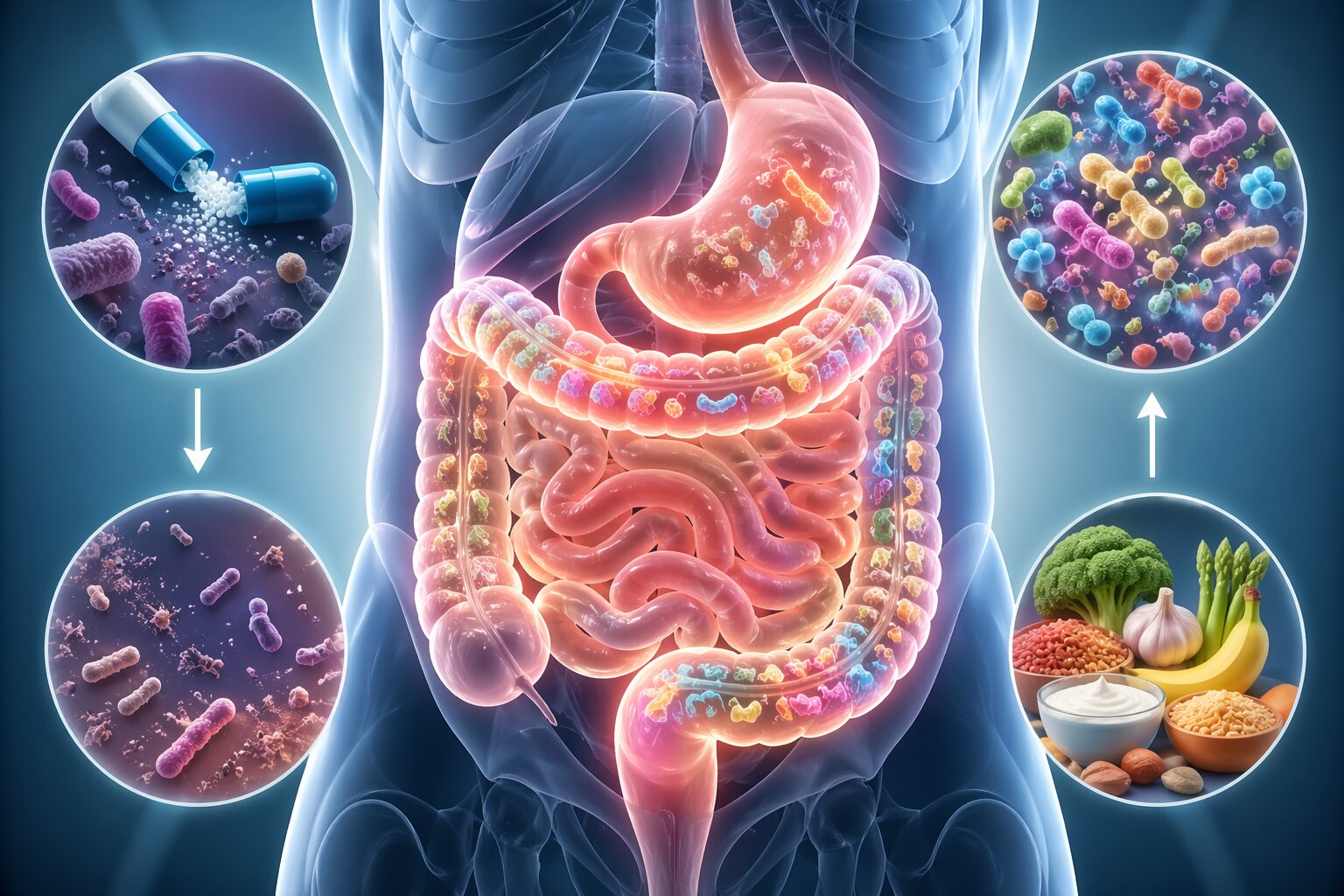
The human gut microbiome is a highly complex and dynamic ecosystem made up of trillions of microorganisms, including bacteria, fungi, and other microbes that live in balance within your digestive tract. These organisms play a vital role in breaking down food, absorbing nutrients, producing essential vitamins like B12 and K, and supporting communication with your immune system. This constant interaction helps keep your immune system regulated, responsive, and prepared to defend against harmful pathogens.
When discussing Do Antibiotics Weaken Your Immune System, it’s important to understand that the connection often begins in the gut, where much of immune regulation takes place.
Do Antibiotics Kill Good Bacteria?
Yes, they do. Most broad-spectrum antibiotics are designed to eliminate a wide range of bacteria to effectively clear the infection, which is why they are so powerful in medical treatment. However, in doing so, they cannot always distinguish between harmful bacteria and beneficial bacteria that naturally live in your gut.
As a result, many of these helpful microbes are also reduced during treatment. Since these bacteria play an important role in supporting digestion and immune system signaling, their loss can temporarily disturb the natural balance of your body. This disruption is one of the key reasons people often ask, Do Antibiotics Weaken Your Immune System during or after treatment.
How Antibiotics Affect Gut Bacteria
When beneficial bacteria are eliminated, the diversity of your gut microbiome can decrease significantly, meaning fewer types of helpful microorganisms are available to maintain balance. This creates an opportunity for less beneficial organisms, such as certain yeasts or antibiotic-resistant bacteria, to grow more easily in the absence of competition.
This shift in microbial balance can lead to temporary digestive issues such as bloating, discomfort, or irregular bowel movements after completing a course of medication. Since gut health is closely linked to immune function, these changes help explain why many people associate antibiotics with temporary immune system fluctuations when asking Do Antibiotics Weaken Your Immune System.
Side Effects of Antibiotics on Health
While antibiotics are essential for treating serious bacterial infections, they can come with a range of side effects that vary from person to person. The most common short-term effects are related to the digestive system, including nausea, diarrhea, bloating, and stomach cramps. These symptoms occur because antibiotics do not only target harmful bacteria but can also disturb the natural balance of beneficial bacteria in the gut. This is one of the main reasons people often ask Do Antibiotics Weaken Your Immune System, especially when they notice changes in digestion or overall energy levels during treatment.
Can Antibiotics Make You Sick Later?
Because a large portion of your immune system is closely linked to gut health, disrupting the gut microbiome can sometimes make the body more vulnerable to secondary infections after treatment. In some cases, individuals may experience yeast overgrowth or more serious conditions like Clostridioides difficile (C. difficile), which occurs when harmful bacteria take advantage of the reduced competition in the gut.
This does not mean antibiotics directly weaken the immune system, but the temporary imbalance in gut bacteria can influence how well your body defends itself, which is why the question Do Antibiotics Weaken Your Immune System is often raised after a course of medication.
Long-Term Effects of Antibiotics Use
When antibiotics are used frequently or for extended periods, they can cause longer-lasting changes in the gut microbiome. Over time, repeated disruption may make it harder for beneficial bacteria to fully recover and restore their original diversity. This can affect digestion and may indirectly influence immune system balance.
Another important concern is antibiotic resistance, which develops when bacteria adapt and become less responsive to treatment. This makes future infections more difficult to manage and highlights the importance of using antibiotics only when necessary and under medical guidance.
Supporting Your Immune System After Antibiotics Recovery
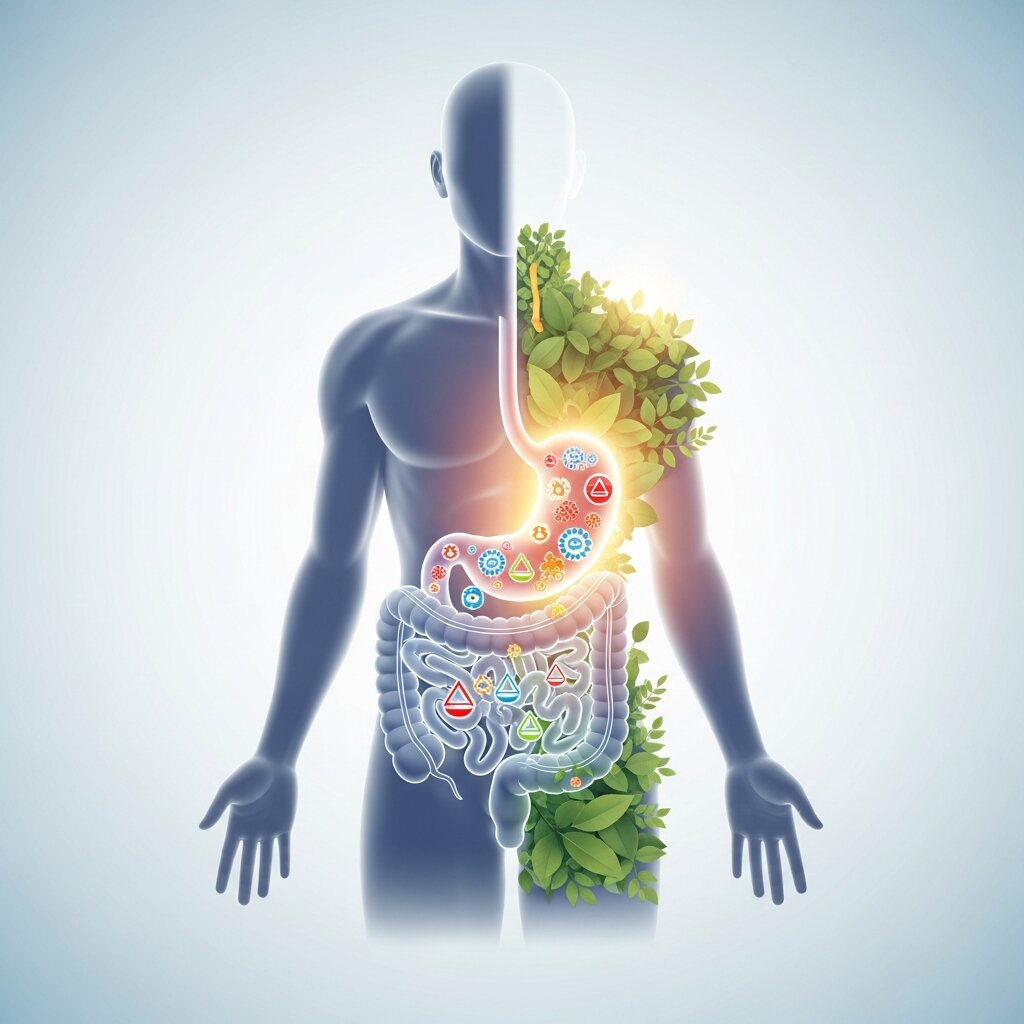
Recovering from antibiotics is not just about finishing the prescribed course—it also involves rebuilding gut health to support the immune system. A nutrient-rich diet plays a key role in this process. Foods high in fiber, antioxidants, and natural nutrients help nourish beneficial bacteria and restore internal balance. Adequate sleep, hydration, and stress management also contribute to a stronger recovery.
Since gut health is closely connected to immunity, many people focus on restoring balance after treatment to ensure their defenses remain strong when considering Do Antibiotics Weaken Your Immune System in the long term.
Probiotics After Antibiotics Benefits
Probiotics are live, beneficial bacteria that you can consume through supplements or fermented foods like yogurt, kefir, and kimchi. Introducing these good microbes back into your digestive tract can help speed up the recovery of your microbiome. Taking probiotics can reduce the severity of antibiotic-associated diarrhea and help re-establish a healthy environment, which in turn supports your overall immune system.
Next Steps for a Healthy Gut and Strong Immunity
Antibiotics are essential medical tools, but they do have a noticeable impact on the microscopic ecosystem inside your body. While they do not directly destroy your immune system, they do disrupt the beneficial bacteria that keep your natural defenses strong.
If you are prescribed these medications, take them exactly as directed by your healthcare provider. Once your course is finished, prioritize rebuilding your gut health. By eating a nutritious diet and incorporating probiotics into your routine, you can help your beneficial bacteria flourish again, ensuring your body is ready to protect you against future illnesses.
FAQs
Do antibiotics weaken the immune system permanently?
No, antibiotics do not permanently weaken the immune system. They mainly target harmful bacteria, but they can temporarily disrupt the gut microbiome, which supports immune function. Once gut bacteria recover, the immune system usually returns to normal, which is why the question Do Antibiotics Weaken Your Immune System is often misunderstood as a long-term effect.
How exactly do antibiotics interact with the immune system?
Antibiotics kill infection-causing bacteria but can also reduce beneficial gut bacteria that help regulate immune responses. Since gut health is closely linked to immunity, this temporary imbalance is why many people ask Do Antibiotics Weaken Your Immune System during treatment.
Why is gut health so important for the immune system?
Gut bacteria help control inflammation, produce essential nutrients, and train immune cells to respond properly to threats. Because of this strong connection, disruptions from antibiotics often lead people to wonder Do Antibiotics Weaken Your Immune System, even though the effect is usually indirect.
Can antibiotics reduce immunity during treatment?
How long does the immune system take to recover after antibiotics?
The immune system typically stabilizes within a few weeks after finishing antibiotics, although gut bacteria may take longer to fully recover depending on diet and lifestyle. As balance returns, concerns about Do Antibiotics Weaken Your Immune System usually fade.
What are the best foods to restore the immune system after antibiotics?
Fiber-rich foods like fruits, vegetables, and whole grains, along with fermented foods such as yogurt and kefir, help rebuild gut bacteria. These foods support both digestion and immune health, helping reduce worries around Do antibiotics weaken the immune system by restoring natural balance.
Do probiotics really help the immune system after antibiotics?
Yes, probiotics restore beneficial gut bacteria and improve digestion, which in turn supports immune function. This is one of the main recovery strategies recommended when people ask Do Antibiotics Weaken Your Immune System after treatment.
Can antibiotics increase risk of infections due to immune system changes?
Is the immune system fully dependent on gut bacteria?
No, the immune system functions throughout the body, but gut bacteria play a major supporting role in regulating immune responses and maintaining overall balance.
Are all antibiotics equally harmful to the immune system balance?
Not all antibiotics have the same impact. Broad-spectrum antibiotics tend to affect a wider range of gut bacteria, which can have a more noticeable temporary effect on immune system balance.
Can lifestyle habits improve immune system recovery after antibiotics?
Yes, healthy lifestyle habits like good sleep, regular exercise, proper hydration, and stress management all support gut health and help the immune system recover more efficiently after antibiotic use. These practices are especially important for people who wonder Do Antibiotics Weaken Your Immune System, as they help restore balance faster.
Why do some people feel weak after antibiotics if the immune system is intact?
Feeling weak after antibiotics is usually due to temporary gut imbalance and digestive changes rather than direct immune system damage. As beneficial bacteria rebuild, the body adjusts back to normal. This temporary phase often leads people to question Do Antibiotics Weaken Your Immune System, even though the immune system itself is not directly weakened.
Can children’s immune system be affected more by antibiotics?
Yes, children may experience a more noticeable temporary disruption because their gut microbiome and immune system are still developing. However, with proper care, recovery is usually complete. This is why parents sometimes ask Do Antibiotics Weaken Your Immune System, especially when children are prescribed antibiotics.
Should probiotics be taken during antibiotics to protect the immune system?
In many cases, probiotics can help maintain gut balance during antibiotic treatment, which may support immune function. However, timing and type should be guided by a healthcare provider. This approach is often recommended when addressing concerns like Do Antibiotics Weaken Your Immune System during treatment.
